
[directorist_search_result]

40,000 New Trees in far Western Norfolk

Norfolk County Council is accelerating towards 1 million trees with a 40,000-strong boost.

In the coming winter, the village of Wiggenhall St Germans in the far west of Norfolk will see 15.5 hectares of new woodland, with approximately 26 times more trees planted than there currently are residents of the village itself.

The parish of Wiggenhall St Germans also covers hamlets like Wiggenhall St Mary the Virgin and Wiggenhall St Peter, as well as the settlements of Saddlebow and Eau Brink.

Work on the planting process has recently begun, and is set to conclude in or shortly after the summer of 2026. Public access will be available from Spring of 2026 onwards, thanks to carefully plotted paths.

The new woodland will feature a range of different tree types, some native and some fruiting. They will be including oak, hornbeam, birch, alder, hazel, hawthorn, field maple, wild cherry, crab apple, willow, lime, walnut, and sycamore trees.

Funding for this project is not coming from local council taxes, but instead from the England Woodland Creation Offer. This programme is there to supports the establishment of new woodlands and is administered by the Forestry Commission.

Cllr James Bensly, cabinet member for environment and waste at Norfolk County Council, said: “It’s fantastic to see another exciting season of tree planting under way.

“The creation of a new woodland at Wiggenhall St Germans will not only help us towards our goal of one million trees for Norfolk, but it will also create a space for residents and visitors to enjoy for generations to come.

“We’ve already planted more than 600,000 trees and hedge plants since the project began in 2020, with much more planned for this season – a huge step towards that ambition.”

Local county councillor, Brian Long, said: “It’s great to see this kind of investment in our local area. The new woodland at Wiggenhall St Germans will bring real benefits – not just for wildlife, but for residents too.

“It’ll create a peaceful space for people to enjoy and add to the natural character of the parish. I’m pleased to see the county council supporting projects that make a positive difference on the ground-and it’s even better to know this forms part of the wider 1 million trees for Norfolk ambition.”

Norfolk County Council’s plans are being operated both at council level and community grassroots, with subsidised tree packs available to order.

This includes a limited number of ‘Taller Tree Packs’, grown at Gressenhall Community Tree Nursery. Tree species on offer via this method include beech, oak, and birch trees, enabling every resident of Norfolk to be a part of the project.

Norfolk’s one million tree programme began in November 2020. It was part of the county council’s plan to reach net carbon zero by 2030. The total goal was to have a little over 1 tree per Norfolk resident, as Norfolk had a population of 908,000 in 2019.

The stated goals of the plan were to provide safe wildlife habitats, fighting climate change, and boosting the health and wellbeing of the people of Norfolk as a whole.


Labour’s Small Business Plan: What It Means for Firms Facing Rising Costs

Small businesses across the UK are voicing concerns about rising costs, from National Insurance increases to soaring utility bills. In response, the government has unveiled Labour’s small business plan, a wide-ranging package of measures designed to ease pressures, improve payment practices, and boost long-term stability.

The Prime Minister has said the government is “doing everything we can to support our small businesses” but admitted they are facing “massive challenges.” Keir Starmer stressed that economic stability is now the foundation of government policy, saying: “I’m not going to let [the chaos under Liz Truss] happen again… in the end economic stability is the reason that we’re getting investment into this country.”

One of the flagship policies is new enforcement powers for the Small Business Commissioner, who will be able to fine larger companies that repeatedly fail to pay suppliers on time. Late payments were highlighted as one of the biggest issues facing small firms, with Starmer noting that the government’s plan was “actually worked on together with small businesses” and “very warmly received.”

Stuart Searle, who runs First Mailing in Cambridgeshire, employs 22 staff and had planned to expand by six this year. Instead, recruitment has been postponed after National Insurance and minimum wage changes added about £20,000 to his annual wage bill — an increase of 8%. He said: “I’m not sitting with a begging bowl, I’m sitting wanting information – and that’s actually really, really vital to all businesses.” Like many owners, he is waiting on clarity in the autumn Budget before deciding whether to invest further.

The concern is echoed in regional employment data. The Office for National Statistics reported a 1.7% fall in jobs in the East of England between March and June 2025 — the steepest decline since the first Covid lockdown. Most of these were self-employed roles, while payroll numbers in the region dropped by 9,600 over the past year after steady growth between 2020 and 2024.

Some of the biggest pressures are hitting service businesses. In Norfolk, Mel Stollery, co-owner of Just4YouFitness, said her gym had seen utility bills double and business rates rise 75% in recent years. Staff numbers have been reduced from 10 to six over three years. She described the cutbacks as “one of the hardest decisions” and added: “Every time the headlines in the news are about the cost of living crisis, we do find sometimes a little drop off [in memberships].” She believes more disposable income in households would directly support businesses like hers, saying: “We’re a luxury item, so if everybody had more money in their pockets, we would get more gym memberships.”

The Prime Minister acknowledged the pressure of business rates, saying the government was “working to bring those business rates down.” He also argued that wages have improved under Labour, noting: “In the first year of this government, wages have gone up more in that year than they went up in the previous 10 years.” The ONS has confirmed that wages rose 3.4% in the last quarter of 2024 compared with a year earlier, outpacing inflation.

According to the Federation of Small Businesses (FSB), 83% of members in the East of England reported higher costs this year, with more than one in five cutting staff. FSB development manager Candy Richards said small firms are “finding it too costly to employ people” and warned that new legislation could also be adding to hiring pressures. “What small businesses need [is] confidence to understand that the economy is going to grow; they need to see that the next budgets and reform coming to business rates has been promised… we need to see movement on the VAT threshold.”

The government points to wider economic improvements as part of its plan. Starmer highlighted the £250bn worth of trade signed off between the US and UK, which he said would “translate into jobs in every region, including the eastern region.” Falling interest rates are also expected to help, with the Bank of England cutting the base rate to 4% in August, the lowest in over two years.

For small firms, the challenge is balancing optimism with reality. Costs remain high, but Labour insists its business plan provides the framework for stability, investment, and fairer treatment in supply chains. As Starmer put it, “economic stability has to be the foundational stone of this government” — and for many owners, that stability cannot come soon enough.

7 Things the Pride in Place Programme Will Do for UK Communities

The government’s new Pride in Place programme is a £5bn plan to restore high streets, parks, and neighbourhoods across 339 communities. Ministers are calling it the biggest transfer of power from Whitehall to local areas in modern history. But what will it actually mean on the ground?

Here are seven key changes the programme will deliver.

1. Guaranteed long-term funding for local areas
One of the most striking features of the Pride in Place programme is its long-term commitment. A total of 169 neighbourhoods will receive £2m a year, every year, for the next decade. That’s £20m per community, amounting to £3.5bn in total. This kind of sustained investment is a major departure from previous short-term initiatives, which often left towns uncertain about whether they could plan beyond the next round of bidding. On top of this, 95 areas will be given one-off grants of £1.5m to make quick, visible improvements. The idea is to combine long-term certainty with immediate impact.

2. Communities will decide how the money is spent
Unlike earlier schemes such as Levelling Up, there will be no competitive bidding between councils. Instead, funding is allocated according to need, based on measures such as the Index of Multiple Deprivation and the Community Needs Index. Most importantly, residents themselves will have a central role in shaping projects. Local charities, clubs, and voluntary groups must be consulted before funds are approved. Prime Minister Keir Starmer said: “Local people with real skin in the game will decide how this funding is spent.” The aim is to empower communities to choose projects that truly reflect their priorities, whether that’s a youth centre, a heritage trail, or safer streets.

3. Councils can take over derelict buildings
High streets across the country are dotted with empty shops, abandoned offices, and disused department stores. The new programme gives councils stronger compulsory purchase powers to take control of these sites. Instead of being left to rot, buildings could be converted into affordable housing, GP surgeries, start-up hubs, or cultural venues. Ministers hope this will not only tackle eyesores but also bring people back into town centres. The principle is simple: empty buildings should serve the community, not drag it down.

4. Communities can save treasured pubs, libraries and sports grounds
Expanded Community Right to Buy powers will allow residents to step in when vital local assets are under threat. In practice, this means local people could come together to save a much-loved pub, prevent a sports field from being sold off, or protect a library from closure. By making it easier for communities to take ownership, the government hopes to safeguard places that bring people together and foster local identity. These assets are often more than just facilities — they are focal points of social life that, once lost, are very hard to replace.

5. High streets can block unwanted businesses
Another major strand of the programme is aimed at reshaping the mix of businesses on high streets. Councils will have new powers to stop the spread of betting shops, vape stores, and what the government calls “fake barbers” — premises suspected by law enforcement of being used for international money laundering. A government source explained: “At the moment, the Tobacco and Vapes Bill already allows vape stores to be blocked. We want to potentially extend that to betting shops and fake barbers on high streets and we are looking for a legislative vehicle to do that as soon as possible.” The National Crime Agency has already begun investigating some barbers thought to be operating as fronts for criminal gangs. Supporters of the policy say it will give communities more control over what kind of businesses dominate their town centres.

6. Visible, practical improvements to public spaces
The Pride in Place programme is not just about long-term investment. Many areas will see immediate, tangible upgrades to parks, play areas, sports grounds, and green spaces. In Peterhead, residents are already installing new CCTV systems to tackle anti-social behaviour. In Blyth, people are planning a cultural festival and restoring vacant buildings. In Torbay, locals are discussing how to use the funding to support an Agatha Christie heritage trail that could boost tourism. These examples show how different communities can use the scheme in ways that reflect their local character and needs.

7. A new focus on local pride and renewal
At the heart of the programme is an attempt to rebuild confidence and restore pride. Ministers say this is not just about bricks and mortar, but about helping communities feel valued again. Steve Reed, Secretary of State for Housing, Communities and Local Government, said: “The Government is putting power into their hands so local people decide how best to restore pride in their neighbourhoods, not us in Westminster. That’s what real patriotism looks like: building up our communities and choosing renewal over division.” The hope is that by improving high streets, protecting shared spaces, and giving people real control, the programme will help tackle the sense of decline that has affected many towns for decades.

The Pride in Place programme is ambitious, and not without its critics. Some argue the scale of funding will be overshadowed by wider economic pressures, while industry groups representing betting shops and vape stores say they are being unfairly targeted. Experts also stress that training and leadership support will be essential if communities are to make the most of their new powers. But with its blend of long-term funding, immediate action, and community-led decision-making, the £5bn initiative marks a clear shift in how regeneration is being approached in the UK.

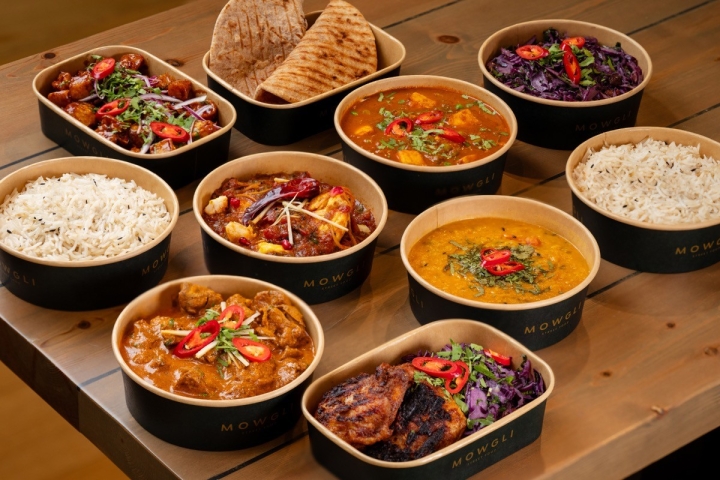
Mowgli Street Food have announced their first-ever venture into delivery today by partnering with Uber Eats

Today (Monday 22nd September), Mowgli Street Food have announced its first-ever venture into delivery through an exclusive national partnership with Uber Eats.

The award-winning restaurant is loved for its vibrant and delicious Indian home cooking, and this landmark moment has been fuelled by years of demand for Mowgli to deliver. This move starts a new, exciting chapter for them – partnering with the leading and fastest growing delivery service in the UK.

After being founded in Liverpool in 2014 by barrister-turned-restauranter Nisha Katona MBE, Mowgli has grown into a national institution with 26 restaurants, and for the very first time now, will offer deliver to homes across the UK.

Now, at the tap of a button you can order your favourite dish straight to your door – from Gunpowder Chicken, Angry Bird and Tamarind Treacle Fries and house curries such as Mother Butter Chicken and Temple Dhal.

Being celebrated for bringing the food Indians eat at home and on the streets, as Mowgli’s brand expands, even more people will be able to enjoy its vibrant, perfectly-spiced food, from the comfort of their own home.

Lucy Worth, CEO, has said: “Mowgli is about more than just food – it’s about togetherness, generosity, and the joy of sharing dishes that feel alive with flavour and soul. For years, our guests have asked when Mowgli would be available for delivery. Today, thanks to our exclusive partnership with Uber Eats, we can finally bring that experience home. I am so proud that our guests across the UK will now be able to enjoy Mowgli wherever they are.”

Uber Eats’ are committed to being the delivery platform of choice for the UK’s most loved restaurant brands, and this move absolutely highlights that. Serving over 90% of the UK population, Uber Eats is uniquely positioned to help Mowgli meet growing demand and reach new customers nationwide.

Regional General Manager of UKI and Northern Europe at Uber Eats, Matthew Price, said: “We’re thrilled to welcome Mowgli exclusively to Uber Eats. This much-loved national brand underscores our momentum, and we’re focused on helping them grow their business and reach new customers. At the same time, consumers continue to turn to us for the unrivalled selection, real value and reliability we offer. As the UK’s leading and fastest-growing delivery platform, we’re proud to be the first choice for restaurants and customers alike.”

Since its inception, Mowgli has been recognised not only for its food but also its values. Through The Mowgli Trust, the brand has donated more than £2.6 million to local and global causes, while earning a spot as one of The Sunday Times’ ‘Best Places to Work’ three years running. This new partnership with Uber Eats is the latest expression of Mowgli’s founding vision: extraordinary food, cooked with heart and soul, made accessible to more people than ever before.

From today, Mowgli is available exclusively on Uber Eats, rolling out across Beverley, Birmingham, Bridgend, Brighton, Bristol, Bury St Edmunds, Cardiff, Chelmsford, Cheltenham, Cheshire Oaks, Edinburgh, Glasgow, Knutsford, Leeds, Leicester, Lincoln, Liverpool, London, Manchester, Newcastle, Norwich, Nottingham, Oxford, Preston and Sheffield.

To find out more and order some of your favourite Mowgli dishes for delivery (for the first time), click here.

The results of The Official BBC Asian Network Charts have been released

The results of the Official Asian Network Chart have been released, marking an important moment for British Asian listeners and the South Asian music scene.

This vote marked 15 years of The Official Music Chart on BBC Asian Network and was the first ever Asian Music Chart to be compiled by The Official Charts Company.

During a special countdown show hosted by Asian Network’s Nikita Kanda and Haroon Rashid on BBC Asian Network, ‘Tum Hi Ho’ was announced as the winning song – by Mithoon & Arijit Singh.

Arijit Singh, the 38-year-old who sings the winning track, headlined London’s Tottenham Hotspur Stadium this weekend for his only European show of 2025, making him the first Indian artist to ever headline a UK stadium. After recently appearing with Ed Sheeran on the single Sapphire, Arijit has become far more popular in the Asian music scene, with the BBC reporting that one fan at the London show said: “His songs are so amazing and touching. He’s like the Ed Sheeran of India.”

Since the Asian Music Chart launched, it has mainstreamed tracks from British Asian talent like Naughty Boy and Joy Crookes, Bollywood bangers from Arijit Singh and Rahat Fateh Ali Khan and Punjabi power anthems from Diljit Dosanjh and AP Dhillon featured, amongst other tracks and artists.

CEO of The Official Charts Company, Martin Talbot, says “The British music scene has always been a brilliantly rich melting pot of influences from right across the globe and BBC Asian Network has always played an enormous part in that through its passionate promotion of south Asian music. We at the Official Charts have always been immensely proud of our role in celebrating this heritage and platforming of talent through the Official Asian Music Chart, so we are delighted to be collaborating with the Asian Network on this national poll of listeners’ favourite Number 1s to mark the chart’s 15th year.”

The full results of the chart were as follows:

  1. Tum Hi Ho – Mithoon & Arijit Singh (Aashiqui 2, 2013)
  2. One Pound Fish – £1 Fish Man (2012)
  3. Satisfya – Imran Khan (2013)
  4. Kala Chashma – Amar Arshi, Badshah & Neha Kakkar (Baar Baar Dekho, 2016)
  5. Naina – Diljit Dosanjh, Badshah & Raj Ranjodh (Crew, 2024)

Runner up, One Pound Fish Man, took to social media after hearing the results, saying to his fans: “Thank you so much to Asian Network Listeners for voting for my track. I am so happy to see that you all love this track, even today. It means so much to me. Thank you, thank you very, very much!”

The countdown is available to listen to now on BBC Sounds where viewers can also access interviews with some of the artists who have helped to shape the Asian music scene, alongside hearing some of the biggest number 1s the chart has seen over the past 15 years.

Ahmed Hussain, Head of Asian Network, says “For 15 years, The Official Asian Music Chart on Asian Network has championed the incredible talent and diversity of the British Asian and South Asian music scene, reflecting the evolving sounds of our communities from breakthrough artists to global icons. To celebrate this milestone, we’re inviting listeners to select their favourite track and join us in celebrating some of the fantastic music that has defined the past decade and a half.”

Sunrise Beverages hopes to raise the bar on the UK’s Independent Beer Scene

A new independent brewer, Sunrise Beverages, has ambitions to become the UK’s leading independent beverage company, powered by strategic investments in a tightly curated group of exceptional brands.

Chief executive of Sunrise, Richard Mather, has spoken out about their different approach – feeling that now is a time when major companies are buying up smaller breweries and diluting their identity – “Our goal is to grow each brand by building strong partnerships that boost sales, drive innovation and deliver exceptional customer service,” says Richard Mather, Chief Executive of Sunrise. “We’re committed to keeping the soul of independent brewing alive by empowering each brand to grow, while preserving its individuality.”

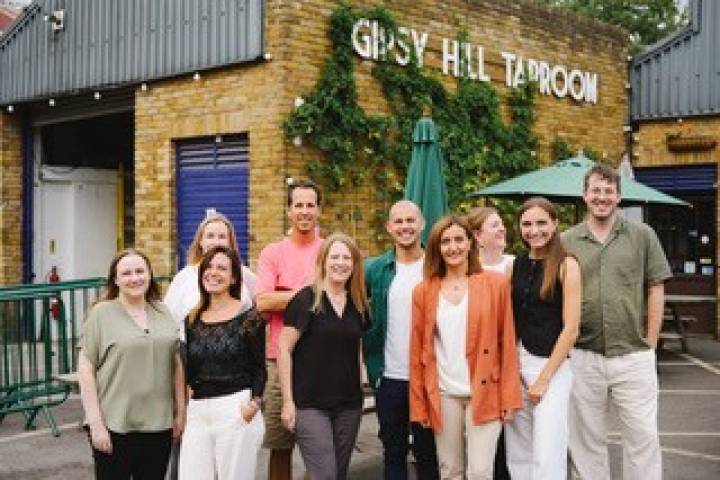
Since starting with only St Peter’s Brewery four years ago, in the picturesque Suffolk countryside, the group has now added Curious Brew, Portobello Brewing, Wild Beer and most recently Gypsy Hill to their portfolio, and have become the UK licensee for EFES (a Mediterranean favourite), and for Orion (a beer from Japan).

Sunrise Beverages have now come together under an umbrella, which includes a diverse and growing collection of every style of beer. It is uniquely positioned to offer pubs and bars in the UK a comprehensive, one-stop solution – with everything from delicious craft brews to premium international favourites.

Mather emphasises that every brand in the Sunrise stable has been carefully selected for its unique character and story. “These brands aren’t just products, they have heritage, personality, and loyal communities. That’s what makes them special, and it’s what we’re determined to protect. By investing in their growth, we can offer our customers truly distinctive, premium beers that stand out from the crowd.”

Sunrise comprises a number of seasoned industry professionals, with many of whom have worked together in the past, to make sure that they are not just about smart acquisitions, but also about building a world class team with a focus on long-term growth. They boast about the four master brewers they have, to ensure that quality remains at the heart of everything they do.

“We’re in a unique position,” Mather adds. “We’re not a global giant, but we’re far more than a local craft brewery. Sunrise is built on experience, ambition, and a genuine passion for beer. Our vision is shared by our investors, who are patient and understand the power of brand building over a long time horizon.”

With a clear vision, a strong team, and a growing stable of iconic brands, Sunrise Beverages is brewing something special, and it’s just getting started.

To find out more about Sunrise Beverages, click here.

The countdown is officially on for the Overtone’s Ultimate Christmas Party Tour

With the Autumnal season now in full swing – from pumpkin spiced lattes being re-introduced in cafes, and the burgundy scarves coming out – let’s face it… it’s almost Christmas!

Okay… not quite. But it definitely feels like we can start getting festive and ready to enjoy our favourite end-of-year events.

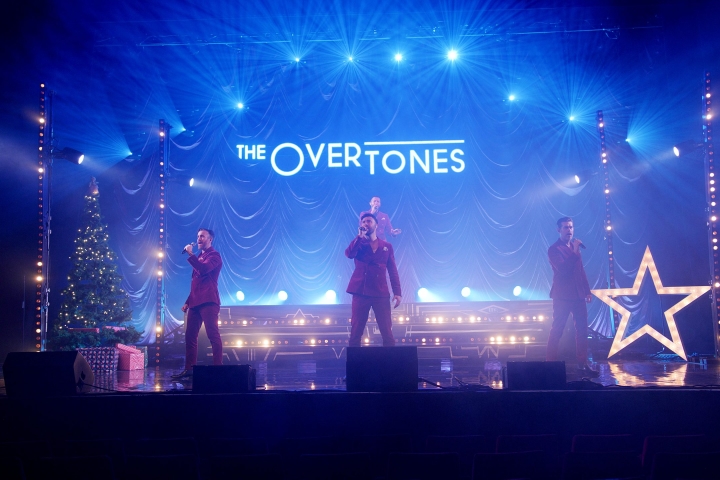
Fan-favourite vocal harmony group, The Overtones, are setting off soon on their Ultimate Christmas Party Tour and this is one way to step into the season for sure.

Between 5th November to 10th December 2025, the group will tour across different UK locations, such as Cheshire, Essex, Bournemouth, Kent, Ramsgate, and more, to deliver a night of pitch-perfect melodies, to bring some warming comfort to the dropping temperatures.

We reached out to the band to understand how they are feeling on the run-up to the show and what we can expect from the tour, and had a great response from bandmember, Mark.

He explained that currently the boys are putting effort into their fitness and looking after their voices to make sure every night on tour gives 110%. It won’t be long now until they are in rehearsals fine-tuning harmonies and walking through choreography with their choreographer Dax – to make sure they can bring the organised, natural Overtones magic to the stage every night.

There are 17 nights planned for the tour across England, with dates as follows:

  • 5th November 2025: The Atkinson, Lord Street, Southport, PR8 1DB
  • 6th November 2025: The Plaza, Mersey Square, Stockport, Cheshire, SK1 1SP
  • 8th November 2025: Town Hall, Victoria Square, Birmingham, B3 3DQ
  • 10th November 2025: Chelmsford Theatre, Fairfield Road, Chelmsford, Essex, CM1 1JG
  • 11th November 2025: Bournemouth Pavillion, Westover Road, Bournemouth, BH1 2BU
  • 13th November 2025: Kings Theatre, Albert Road, Portsmouth, Southsea, PO5 2QJ
  • 14th November 2025: Princess Theatre, Torbay Rd, Torquay TQ2 5EZ
  • 17th November 2025: Wyvern Theatre, Theatre Square, Swindon, SN1 1QN
  • 19th November 2025: William Aston Hall, Mold Road, Wrexham, LL11 2AW
  • 22nd November 2025: Grove Theatre, Court Drive, Dunstable, Bedfordshire, LU5 4GP
  • 23rd November 2025: Baths Hall, Doncaster Road, Scunthorpe, DN15 7RG
  • 24th November 2025: Orchard West, Orchard West, 20-54 Hythe Street, Dartford, Kent, DA1 1BX
  • 27th November 2025: Royal Hippodrome Theatre, 106-114 Seaside Rd, Eastbourne, BN21 3PF
  • 1st December 2025: Festival Theatre, Grange Rd, Great Malvern, Malvern, WR14 3HB
  • 5th December 2025: Memorial Theatre, Christchurch St West, Frome, Somerset, BA11 1EB
  • 6th December 2025: Granville Theatre, Victoria Parade, Ramsgate CT11 8DG
  • 10th December 2025: Mayflower Studios, 142, 144 Above Bar St, Southampton SO14 7DU

This is a special tour for The Overtones, celebrating their 15th anniversary, and they will combine a mix of songs from throughout their journey – from classics that represent their history, and are always a favourite with the crowd, to current hits and surprises with twists and sparkle for Christmas.

Mark described the tour to us: “Expect a big night out! It’s going to be a party from start to finish – amazing harmonies, lots of energy, a few laughs, and plenty of festive cheer. You’ll get the classic Overtones sound with a soulful, doo-wop twist, plus a little bit of disco sparkle thrown in for good measure. By the end, we want everyone on their feet, singing and dancing with us.”

He couldn’t think of a better time than Christmas to celebrate their 15th anniversary, mentioning the harmonies, nostalgia and celebration that all come with the season. They are hoping for one big party – and this is the best backdrop that friends and families can create lasting, positive memories to.

Performing Gambling Man on tour is a team favourite, feeling that it takes them right back to the start, and always gets the biggest, electric reaction. So, after the boys have completed their huddle, shared a few jokes and tied the last bow tie, why not join them for a big, Christmas party?

For more information, read more on the tour here.

Hark agency are driving the need for businesses to engage more with middle years in school for career progression

With thousands of young people returning to classrooms this September, new research highlights overlooked areas within education that need critical improvements.

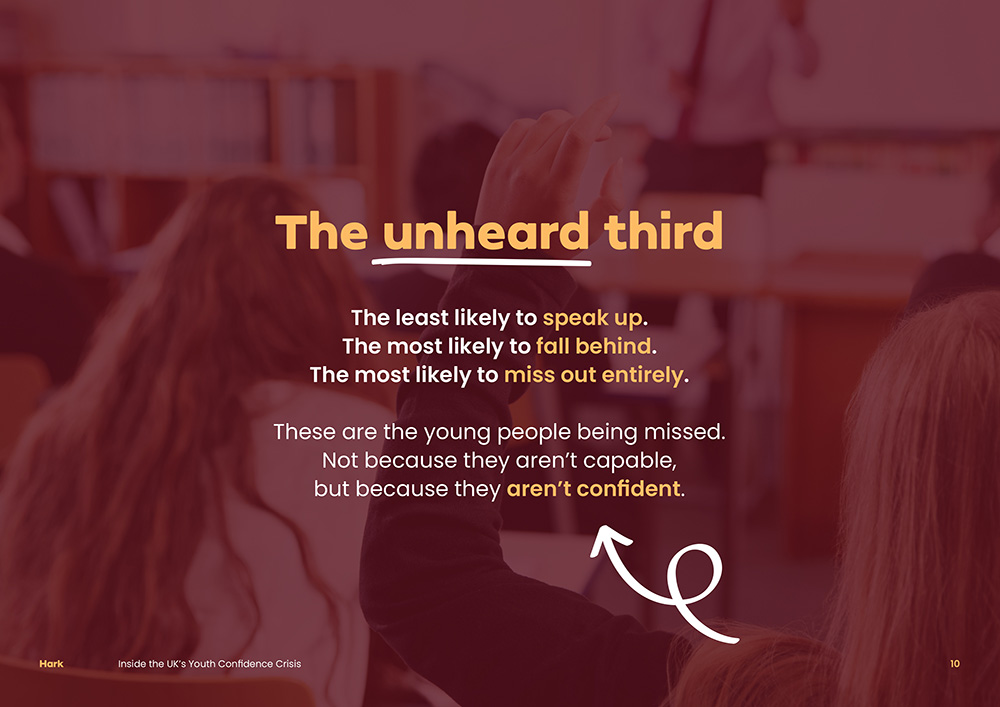
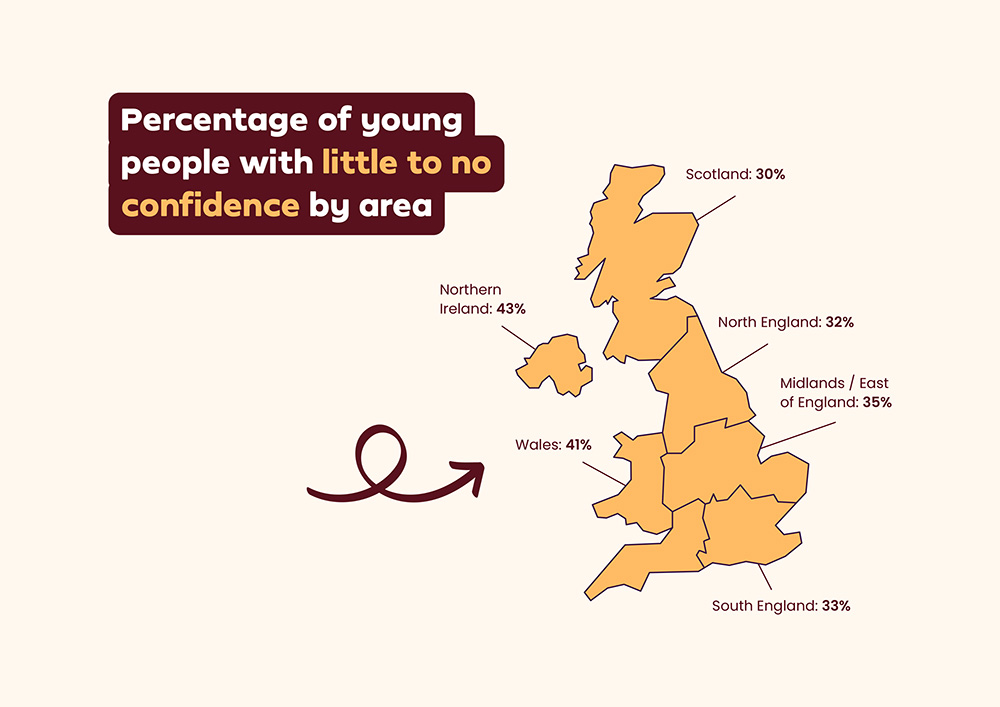
Hark’s Listen Up Report 2025 has revealed that almost a third of Year 9 students (30%) have already changed their mind about what job they want since starting secondary school, and over half say they know little to nothing about the next stage.

Only a staggering 10% of students feel fully in control of what comes next.

With students now settling back into school, it’s clear that in losing confidence, narrowing their aspirations, and having little understanding of next steps, Years 8 and 9 students need investment from brands and employers now, to make a real difference.

If students at this age lack clarity and confidence in future possibilities, it will limit the chance for them to explore their true potential and future possibilities.

We spoke to Hark’s co-founder, Kathryn McColl, to understand her views on why this age group are so often overlooked when it comes to early career engagement and guidance, and the importance there is to invest in them.

“Years 8 and 9 can fall into a gap. Schools and employers alike often concentrate career support at the later stages, around GCSE choices or post-16 decisions. But by then, many students have already narrowed their horizons. Our research shows a sharp dip in confidence at this age – they’re questioning themselves but haven’t yet had much exposure to the world of work. Because they’re often seen as being ‘too young’ for careers input, this crucial stage is often missed, and opportunities to broaden their aspirations early on are lost.”

Hark is a London-based education and youth agency with over 30 years’ experience creating powerful learning experiences and campaigns for schools, communities, and youth audiences, and in working with businesses that want to talk to these young people that they are targeting, they are making a genuine difference committing young people to thrive.

As their data shows a clear urgency to act now in working with Years 8 and 9, surrounding career development, they are now driving the need of business engagement in the younger classrooms with the new school year just starting.

So, how can organisations open these opportunities for students to discover what their passions could lead to, and connect them with real-world examples of turning passions into professions?

Kathryn explains: “One of the most powerful things employers can do is make careers relatable. When young people hear real stories from people in work, particularly those who share their backgrounds or passions, it helps them see how their own interests connect to the future, for example, showing how skills in creativity, problem-solving, or technology translate into real jobs brings those pathways to life. It’s about helping them understand that their passions aren’t just hobbies but can be the foundation of meaningful careers.”

“Engagement doesn’t have to be complex but it does need to be early and consistent. That could mean offering school visits, workplace experiences, or mentoring programmes specifically designed for this age group. The key is exposure: the more students encounter role models, environments, and examples of careers, the more tangible the world of work feels. Our findings show that confidence dips when students don’t feel informed, so practical, interactive opportunities to ask questions and explore are vital to rebuilding that confidence.”

It is true that employers can play a vital role in linking their own work back to the interests and values that drive them, making their career paths more relatable and inspiring for young people.

If we want these students to aim high, and change results surrounding career progression for the better next year, it is essential that they are given tools, role models and control of their future in these middle years.

Kathryn concluded with what success would look like from businesses making a tangible difference in early years: “Success would mean young people in Years 8 and 9 feel informed, supported, and in control of their choices. Instead of reporting that they ‘know little to nothing’ about their next stage – as over half told us in our Listen Up Report – they would feel clearer about the options available, and more confident that their future is something they can actively shape. Ultimately, the goal is to keep ambition alive, so that young people don’t close down opportunities before they’ve had the chance to discover what’s possible.”

To read the full report, click here.

Carbonara Meets Katsu – Bella Italia Launches Bold New Pasta Fusion Dish

If, like me, Italian and Japanese cuisine sum up your absolute favourite meals – Bella Italia now has the perfect dish for you.

Available until the Sunday 12th October, a truly unique and autumnal addition will be included in the brand-new range of Pasta Fusion dishes at Bella Italia restaurants: The Katsu Carbonara.

Think all your classic elements – from spaghetti and classic, creamy, Italian carbonara sauce – but combine it with bold katsu curry flavours and crispy slices of golden breaded chicken.

And… to make this exciting new dish even better, on Wednesday 24th September customers can get their hands on this limited-edition dish for just £1, in celebration of National Katsu Day.

For the entire day, all participating restaurants will offer everyone the chance to experience Bella Italia’s most adventurous pasta yet for just £1 instead of £17.49.

A spokesperson has made comment: “Our guests love us for our Italian classics from creamy Carbonara to oven-baked Lasagne and fresh Margherita Pizza. The new Katsu Carbonara brings something exciting and unexpected to the table, blending the best of Italian comfort food with bold Japanese flavours. As part of our pasta revolution, we’re continuing to make pasta the star of the show, from time-honoured favourites to daring new creations like this one. And with £1 Katsu Day, there’s no better time to give it a try.”

Bella Italia is devoted to the art of pasta, with their 70 nationwide restaurants being recognised for their delicious and authentic Italian food. With items such as rich ragus and fresh seafood pastas, to hand-stretched sourdough pizzas, this is definitely the favourite place to test new, innovative creations – such as the Katsu Carbonara.

This offer is valid for the whole of the 24th September 2025, for dine-in customers only. It cannot be used with any other offer, set menu, voucher or discount code, and unfortunately, locations Center Parcs, London Paddington, Leicester Wigston and Dover, are not included in this deal.

Skip to content Skip to content