
[directorist_search_result]

The rise in fake review scams are costing UK businesses millions: here’s what to do

If a review on something you were considering buying suggested that it was a terrible, low-quality product – would it stop you from buying it?

At one time or another, I think we can all admit that we have fallen victim to being so close to purchasing something that we want, before completely changing our minds after seeing a single, negative comment.

UK shoppers are now increasingly turning to online reviews to base their purchasing patterns on, trusting information from those they have never met before, over that of retailers, magazines, and sometimes even family and friends.

The Government have found that reviews influence an estimated £23 billion of UK consumer spending annually – making them one of the most powerful trust signals online – so with the recent rise of fake and spam reviews being published, it is no mystery why small businesses across the UK are struggling.

After conducting their survey in 2023, the Government further published that fake reviews on products alone can cause an estimated £50 million to £312 million in total annual harm to UK consumers, with up to 30-35% of online reviews possibly being fake across major platforms, and this is taking its toll on SEOs.

The London-based SEO agency, Ignite SEO, was recently targeted by this behaviour, and know first-hand what the impact of fake reviews can be. Adam Collins, CEO of Ignite SEO has commented: “We woke up to a string of one-star reviews posted in the middle of the night. A few hours later I even had a spammer messaging me directly on WhatsApp. It’s a coordinated attempt to shake trust and it shows just how far these scams go,

“For small businesses, even a handful of fake reviews can damage rankings, scare off new clients, and create real financial loss.”

There are ways to spot fake and spam reviews online, where spikes in activity or generic language can be a big giveaway. If you see several negative comments being uploaded in quick successions to one another, with very vague and undetailed complaints – you can commonly assume that this is not real.

Additionally, if an account uploading them has no history or negative activity alone, and the timings that they are posting are suspicious (such as in bulk, overnight), these are all clear signs.

To combat these occurrences, business can take different measures themselves, to fight against the fake reviews made. Firstly, it is important to always remain calm and respond professionally in these situations – reporting and flagging the comments on Google, Trustpilot and other platforms that have formal removal processes.

Keep evidence of this as well – screenshotting comments can be very useful in removal requests and legal escalation. It is also smart to collect genuine feedback from valued customers and encourage those who are satisfied with your services to leave reviews regularly.

Finally, it is important to know the law around these scams.

The Digital Markets, Competition, and Consumer Act (DMCC Act) was passed into law in 2024, to add extra protection to consumer regulation. Through banning the practice of submitting fake reviews and legally prohibiting companies from commissioning or hosting fake reviews, the CMA now has enforcement powers which are reducing the risk.

To conclude, Adam Collins, said: “Fake reviews aren’t just an inconvenience—they’re an attack on your shop window. If someone vandalised your storefront, you’d clean it up quickly. Online reputations deserve the same care. The good news is the law is catching up, but SMEs need to stay alert and proactive.”

What if I’m the victim – as a consumer? 

It is important to know that this can go the other way also – where companies fake reviews themselves to boost sales. It is very easy for people in positions of power to buy and sell fake reviews as a way of drowning out negative feedback, and prey on buyers to purchase something which is not what they think it is!

This is illegal. If you suspect someone of doing this – and are victim of falling for a fake review scam – you can report it to the platform where you found them. Whether a product turns up not as you were expecting it, broken/faulty or overall wrong, this is a scam – and for the sake of others and the reputation of businesses, it is critical to flag this.

You can also report them to your local Trading Standards office. If you made payment on a credit card or PayPal, you can claim this back if the product is not up to scratch, and additionally on payments made on a debit card up to £100, this can usually be claimed back via ‘chargeback’.

If you fall victim to these lingering scams, do not panic – there should be a chance to get your money back!


Felixstowe seafront road may go car-free in tourism plan

Felixstowe’s seafront could soon look very different under proposals to pedestrianise Sea Road.

East Suffolk Council is considering a trial to remove cars from part of the busy stretch, replacing it with a more welcoming space for visitors. The idea is part of a wider strategy to boost tourism and enhance the town’s appeal as a year-round seaside destination.

A report to the council said several short-term projects, including new promenade lighting and upgraded shelters, would “create a beautiful, welcoming environment” along the front. Sea Road, which sits close to Felixstowe Pier, has long been dominated by traffic, with parked and moving vehicles leaving businesses overshadowed.

The proposals argue that a car-free seafront would create more space for pedestrians, make cafes and amusements more accessible, and help businesses thrive. Councillor Tim Wilson, who has responsibility for economic development, said the road’s current layout compromises the vitality of the area.

If approved, the pedestrianisation would begin with a trial before any decision is made on whether to make it permanent. The scheme could be in place by the end of the 2027/28 financial year, although some elements may arrive sooner.

Alongside this, the council is also seeking funding for a new “heritage attraction” at one of Felixstowe’s Martello Towers, coastal defence structures built in the 19th century during the Napoleonic Wars. Enhancements to Martello Park, new signage, and improved links between the promenade and Manor Terrace are also part of the package.

Felixstowe’s seafront has long been central to the town’s identity. The Victorian promenade, Edwardian gardens, and beach huts—believed to be among the first in Britain—made it a fashionable resort in the late 19th and early 20th centuries. Visitors ranged from Edwardian holidaymakers to the German imperial family in 1891, cementing its reputation as a resort of note.

The town’s fortunes have fluctuated, with Felixstowe later becoming synonymous with its docks. Today, the Port of Felixstowe is Britain’s largest container port, handling nearly half of the UK’s container trade. But tourism remains a vital part of the local economy, with attractions including the Spa Pavilion theatre, Felixstowe Museum, Landguard Fort, and the pier, which reopened in 2018 with amusements, food outlets, and a restaurant.

Council leaders believe improving the public realm could help balance Felixstowe’s identity as both an industrial hub and a seaside resort. A more attractive, pedestrian-friendly seafront would make the town more competitive with rival destinations along the Suffolk and Essex coasts.

The long history of Felixstowe highlights the importance of maintaining its seafront appeal. Once the place where St Felix is said to have landed in the 7th century, the town has seen battles with the Dutch, the construction of Roman and medieval defences, and even an important role during both world wars. The seafront has endured floods, bombings, and social change, but has consistently drawn visitors.

Pedestrianisation is not without challenges. Residents will want clarity on access, parking, and how traffic might be redirected. Some local traders may also worry about whether reducing car access could cut convenience for customers.

However, supporters believe the benefits could outweigh the drawbacks. By limiting vehicles, the council hopes to create a seafront that feels safer, more relaxed, and more vibrant, encouraging longer stays and higher spending by tourists.

The strategy is clear: Felixstowe must invest in its seafront if it is to continue attracting both visitors and new residents. Whether through heritage attractions, improved gardens, or the bold step of taking cars off Sea Road, the town is preparing to shape its next chapter.

Gene Editing Raspberries: Cranfield Scientists Pioneer Sustainable Breakthrough

Raspberries are a summer favourite in the UK, but they are also notoriously delicate and quick to spoil. Now, scientists at Cranfield University believe they may have found a way to make raspberries last longer, taste better and be grown more sustainably. Their new study is the first to validate the use of CRISPR gene editing in red raspberry (Rubus idaeus), opening the door to major advances in soft fruit production.

The research focuses on a precise new method for editing plant DNA without adding any foreign genetic material. Scientists first isolated individual cells, called protoplasts, from the leaves of raspberry microplants grown under sterile conditions. These cells were then exposed to CRISPR-Cas9, a molecular tool that can be programmed to target exact regions of DNA and introduce changes. Unlike conventional genetic modification, the process does not insert DNA from other organisms. Instead, the edits mirror the kind of mutations that could naturally occur over generations, only accelerated through modern science.

This breakthrough matters because raspberry breeding has traditionally been slow and uncertain. Conventional methods depend on cross-pollination, followed by years or even decades of selective breeding and trialling to identify varieties with improved qualities. By contrast, DNA-free gene editing could allow researchers to design and grow new raspberry varieties in around 12 months. Such speed would make it possible to respond rapidly to farming challenges, consumer demand and climate pressures.

The potential benefits are wide-ranging. Edited raspberries could be made to resist mould, which is one of the main causes of food waste in soft fruits. They could also be bred to withstand heatwaves and drought, which are becoming more frequent with climate change. Other traits might include sweeter taste, larger fruit size, seedless varieties, and higher overall yields. Each of these would contribute not only to a better eating experience but also to greater efficiency for farmers and reduced waste in the supply chain.

The team, led by PhD researcher Ryan Creeth alongside Professor Andrew Thompson and Dr Zoltan Kevei, emphasise that the technology should not be confused with traditional genetic modification. “Precision breeding techniques are essential for tackling food waste, improving food sustainability and nutrition, and lowering the cost of food,” said Creeth. He added that while further work is needed, especially to regenerate full plants from the edited cells, the study represents “a promising start for one of the nation’s favourite soft fruits.”

One gene tested in the study was NPR1, which in tomatoes has been shown to increase resistance to grey mould when edited. If a similar outcome is achieved in raspberries, it could mean fruit with a significantly longer shelf life, cutting waste at every stage from farm to supermarket to consumer fridge. For shoppers, this could translate into raspberries that stay fresh for days longer than current varieties.

Another crucial factor is regulation. The UK’s Genetic Technology (Precision Breeding) Act, passed in 2023, created a clear legal framework for DNA-free gene editing in crops. Because CRISPR is introduced as a protein and guide RNA rather than integrated into the plant’s genome, the resulting raspberries would not count as genetically modified organisms under the law. This makes the research directly relevant to future commercial cultivation in England, where such crops could soon reach farms and supermarkets.

The study is not only a scientific milestone but also part of a broader trend in agriculture. Gene editing is being tested in a range of crops from wheat to tomatoes, offering the chance to improve nutrition, resilience and sustainability. Applying these methods to raspberries is particularly significant given their popularity and their short shelf life, which makes them one of the fruits most often wasted by consumers.

While challenges remain in regenerating full raspberry plants from the edited protoplasts, Cranfield’s breakthrough shows that the key technical barrier—proving that raspberry DNA can be edited with CRISPR—has been overcome. If the next stages are successful, raspberries may soon join the growing list of crops benefiting from precision breeding.

For consumers, that could mean fruit that is tastier, fresher and more sustainable. For farmers, it could mean crops that are more resilient and easier to grow. And for the planet, it could mean a step towards reducing the food waste and resource use that comes with today’s soft fruit production.

Raspberries may be fragile, but this research suggests their future could be stronger than ever.

Julia Paternain Wins Historic Marathon Bronze for Uruguay at World Championships

A former British cross-country champion with strong Cambridge roots has claimed a surprise bronze medal in the marathon at the World Athletics Championships in Tokyo.

She crossed the line in 2:27:23, securing Uruguay’s first ever medal at a senior global athletics championships.

Paternain appeared confused as she finished, and had to be told by an official that she had completed the race.

“I was terrified that wasn’t the finish,” she said. “I thought maybe there was another 400 metres to go. I could not believe it.”

Her time was just 14 seconds outside her personal best, set on her marathon debut in New York earlier this year. Only Kenya’s Olympic champion Peres Jepchirchir and Ethiopia’s world record-holder Tigist Assefa finished ahead of her.

Ranked 288th in the world before the race, Paternain said a medal had not been part of her expectations.

“We had three goals. C goal was just to finish, because it was so hot and humid. B goal was maybe top 30. A goal was top eight. A medal was not even on the radar,” she said.

The race unfolded with Paternain keeping a measured pace through the first half, running just behind a pack of leaders. As other runners began to fade in the stifling heat, she moved steadily forward, maintaining consistent splits and passing competitors who had started too fast.

By the final 10 kilometres, she was in a small chasing group and gradually overtook several runners. Even when entering the Japan National Stadium for the last stretch, she did not know she was in the medal positions.

“I had no clue,” she said. “I just wanted to run smart. I didn’t think about place.”

After the race she posted on Instagram: “What just happened?! Honestly, I’m still struggling to put together words to describe how I feel after yesterday. Never in my wildest dreams did I think I would be saying I am a bronze medallist at the World Championships.”

Born in Mexico, Paternain moved to Cambridge at age two and attended Hills Road Sixth Form. She won English Schools titles over 3,000m in 2017 and 2018 before representing Great Britain at the 2019 European Under-23 Championships, finishing sixth in the 10,000m.

She later studied in the United States, competing for Penn State University and then the University of Arkansas in NCAA events. She switched allegiance to Uruguay in January 2025, her parents’ home country.

Earlier this year she set a Uruguayan national record on her marathon debut with a time of 2:27:09. She also signed a multi-year sponsorship deal with Saucony in 2025.

Her performance in Tokyo is the first World Championships medal for Uruguay and has drawn praise across the country. Paternain said the achievement was especially meaningful for younger athletes back home.

“If this proves anything, it’s that anyone can put in the work,” she said. “Representing this country is a pride. It makes my parents very happy too.”

She said she will focus on short-term goals for now. “If you’d asked me a year ago whether I’d even be running a marathon, I’d have said no,” she said. “So right now, I’m taking it month by month.”

Her longer-term ambition is to compete at the 2028 Los Angeles Olympics.

Fairstone expands into East Anglia with Allen Tomas & Co acquisition

Fairstone has expanded its footprint in East Anglia with the takeover of Allen Tomas & Co, a financial advisory firm based in Norfolk.

The Sunderland-headquartered wealth management group completed the acquisition after a year-long partnership with the business under its downstream buy-out (DBO) model.

Allen Tomas & Co was founded in 2014 by Ben Allen and Michael Crisp. The firm, based in Dersingham near King’s Lynn, advises more than 260 clients and manages around £120m in assets.

It provides investment, retirement and wealth management services and became part of Fairstone’s DBO programme in 2023.

The DBO model allows firms to grow with the backing of Fairstone while planning for a future sale. During this time, Fairstone provides infrastructure, regulatory support and compliance expertise.

This gives financial advisers space to concentrate on clients and develop their businesses while maximising value ahead of a full acquisition.

More than 100 firms have joined Fairstone using the approach, helping to make the group one of the UK’s most active consolidators in the sector.

Ben Allen, principal and chartered financial planner at Allen Tomas & Co, said the move would benefit both clients and staff.

He said: “We’re thrilled to have become part of the Fairstone group.

“Fairstone’s focus on putting the client first was so important for us – joining Fairstone means that our current clients will be able to benefit from the support, reassurance and IT capabilities of a major national firm while still getting personalised advice informed by our local knowledge and understanding of the area.

“Importantly, Michael and I will retain our Chartered Independent status, meaning that we will continue to provide unbiased financial advice to clients and recommend products from the whole of market.

“And with Fairstone’s head office team providing support on compliance and regulatory matters, it frees up more of our time to concentrate on advising clients, growing the business and working closely with professional connections.”

Fairstone operates from more than 50 locations nationwide, employs 1,250 people and serves 60,000 clients.

The group is targeting rapid growth and aims to double the value of assets under management from £20bn to £40bn within five years.

Executives say East Anglia has become a priority growth region, with further DBO partnerships planned as part of a wider national expansion.

Russell Bignall, group managing director at Fairstone, welcomed Allen Tomas & Co to the business.

He said: “We’re delighted that Ben, Michael and the team at Allen Tomas & Co are now part of the Fairstone family.

“Their client-focused approach and determination to grow the business tallies perfectly with our philosophy and their location further boosts our presence in East Anglia.

“The acquisition underscores Fairstone’s dedication to expanding our footprint on a regional and national scale.

“With our sights firmly set on growing client assets under management from £20 billion to £40 billion over the next five years, we’re looking to partner with similarly ambitious, forward-thinking firms right across the UK and Ireland with increased valuations on offer for growth-focused wealth advisers.

“Our DBO model remains a compelling choice for ambitious firms pursuing sustainable growth and improved client outcomes.

“In the past two years, the average value received by firms after earn-out has been 120 per cent, with the most successful firm hitting 180 per cent.”

Fairstone’s strategy of partnering with regional firms before acquisition has been central to its national growth plans.

With Allen Tomas & Co now integrated, the company has further strengthened its presence in East Anglia – an area it says will remain central to its expansion ambitions.

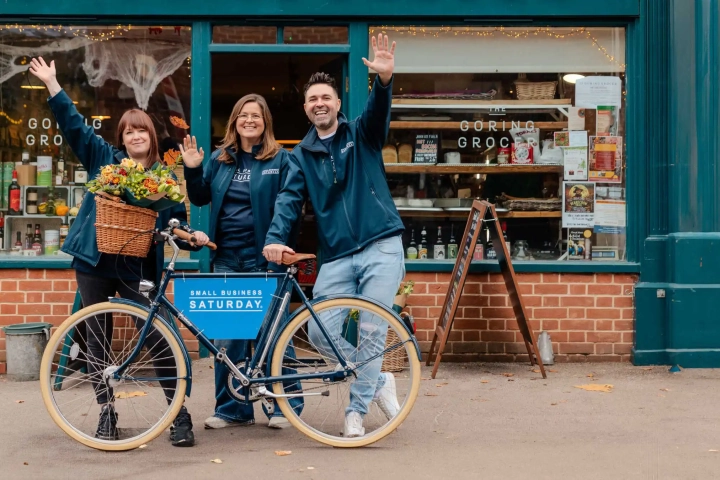
UK Small Business Saturday ‘Roadshow’ to champion impact of local small businesses

On a tour to celebrate the nation’s vibrant small business community, Small Business Saturday has announced that they are returning to embark on a month-long UK roadshow.

Launching this autumn in Scotland, ‘The Tour’ will be visiting over 20 towns and cities across the country to spotlight some of the UK’s most inspiring local businesses. The nationwide journey will then continue across the rest of the UK throughout November, visiting towns and cities including Belfast, Manchester, Durham, Preston, Carlisle, Derby, Grimsby, Wrexham, Hereford, Newport, Plymouth, Salisbury, Cambridge, and London.

The road show is being backed by BT and aims to recognise the vital role of small businesses in boosting local economies, creating jobs and supporting communities. In the lead up to starting off in Lossiemouth, ‘The Tour’ will showcase business owners, their stories, and the incredible local communities at the heart of the UK’s 5.45 million small businesses, celebrating their critical contribution to the economy.

Planned stops include visiting a range of small businesses, from a cycling adventure firm in Scotland and luxury handmade chocolatier in the North of England, to bakeries in Wales, and a shoe repair business in the South.

“Being part of the Small Business Saturday Tour 2024 was such a fabulous experience! We loved welcoming the team, giving our brand more exposure and meeting so many other inspiring small businesses along the way,” said Carol Jackson, Owner of ELJ Drinks Ltd.

“The Tour is a fabulous celebration of entrepreneurial spirit, culminating in Small Business Saturday and we can’t wait to be part of the magic again in 2025!  If the tour is heading your way, don’t miss it. Get involved, show up, and soak up the support, energy and wider community. You’ll love it!”

Small Business Saturday is a grassroots, non-commercial campaign that celebrates small business success and encourages consumers to ‘shop local’ and support businesses in their communities.

Now in its thirteenth year, Small Business Saturday has engaged millions of shoppers and helped generate billions of pounds in spending at small businesses across the UK. This year it is taking place on 6th December, and is backed by principal support: American Express.

Alongside the show, the campaign will also feature a full month of free online support for small businesses all over the UK – including daily workshops, mentoring sessions, and insight events featuring small business owners and industry experts.

“Small Business Saturday is all about championing the incredible entrepreneurs who bring passion, innovation, and heart to communities across the UK,” said Michelle Ovens CBE, director of Small Business Saturday UK.

“The Tour gives us the opportunity to hit the road and engage directly with the nation’s favourite small businesses, celebrating their unique stories and the essential role they play in strengthening local economies. We’re excited to begin this next chapter and highlight the creativity and resilience that make small businesses the foundation of our communities.”

It is expected that ‘The Tour’ will cover around 3,000 miles using electric vehicles to reduce emissions and showcase the sustainable choices that many businesses are making on the journey toward net zero.

“Small businesses are vital to the UK economy, and providing entrepreneurs with the right support is crucial to their success,” said Chris Sims, Chief Commercial Officer, UK Business, at BT.

“The Tour offers a great platform to engage with small businesses across the country, delivering tailored advice and resources to help them grow and adapt. This is an important initiative that allows businesses to connect for good, strengthening local communities and fostering innovation and resilience across the economy.”

The Small Business Saturday tour will visit the following UK locations:

  • Monday 3rd November Lossiemouth 
  • Tuesday 4th November Aberdeenshire
  • Wednesday 5th November Edinburgh
  • Thursday 6th November Belfast
  • Friday 7th November Preston
  • Monday 10th November Carlisle 
  • Tuesday 11th November Durham
  • Wednesday 12th November Manchester
  • Thursday 13th November Grimsby 
  • Friday 14th November Derby
  • Monday 17th November Wrexham 
  • Tuesday 18th November Hereford 
  • Wednesday 19th November Newport
  • Thursday 20th November Crediton 
  • Friday 21st November Plymouth 
  • Monday 24th November Salisbury
  • Tuesday 25th November Brighton
  • Wednesday 26th November Maidstone
  • Thursday 27th November Leighton Buzzard
  • Friday 28th November Cambridge
  • Monday 1st December London
  • Tuesday 2nd December London
  • Wednesday 3rd December London

For more information on Small Business Saturday and to get involved in The Tour, click here.

Peterborough Arch to Return After £50,000 Restoration at Thorpe Meadows

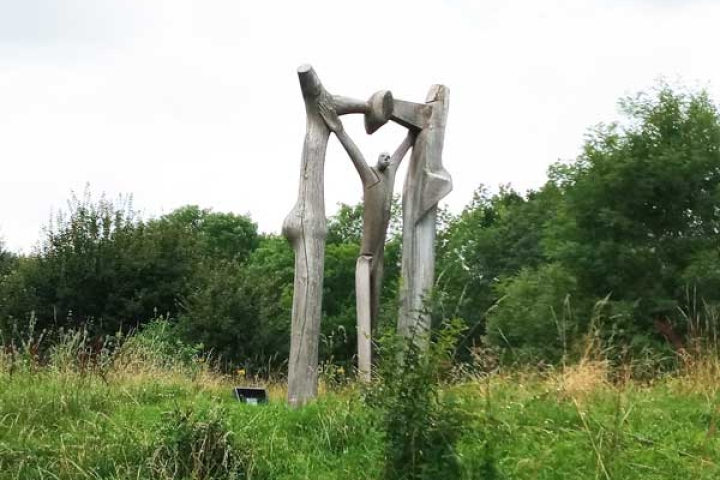
The Peterborough Arch, one of the city’s most recognisable landmarks, is set to be reinstalled at Thorpe Meadows after extensive conservation work costing over £50,000.

The 4m (13ft) high wooden sculpture, carved from rare iroko wood, originally greeted visitors to the Longthorpe Parkway for more than three decades. It was removed in 2022 following an inspection that revealed significant damage and safety risks.

Restoration has been carried out by Hall Conservation Ltd, heritage specialists who carefully dried the wood, repaired intricate carvings, and applied protective varnish to ensure the sculpture’s longevity.

Matthew Bradbury, Chief Executive of Nene Park Trust, said: “The Peterborough Arch has been a gateway to our city for over 34 years. It’s more than just a sculpture—it’s part of Peterborough’s identity. Seeing the restoration works nearing completion is incredibly exciting for the Trust and the wider community.”

Funding for the restoration came from multiple sources, including the National Lottery Heritage Fund, the Henry Moore Foundation, and Arts Council England. Public donations, including contributions from the Peterborough Civic Society, added a further £3,000 to cover remaining costs.

Bradbury added: “Without the support of both these heritage organisations and local people, this landmark could have been lost forever. It’s a testament to the power of community and the value of our public art.”

Dr Lee Grandjean, the Essex-born artist who created the arch, said: “Before I even began designing the sculpture, I visited the Nene Valley to select the exact location. It aligns perfectly with the distant cathedral, creating a visual dialogue between the medieval heart of the city and the modern urban landscape.”

Grandjean explained the sculpture’s artistic themes: “The figure steps through a portal, arms raised in greeting. The arch itself is inspired by natural forms, echoing the Gothic arches of the cathedral. It represents the relationship between humans and nature—a dynamic interaction that we must continue to understand and respect.”

The Peterborough Arch was commissioned in the 1980s by the Peterborough Development Corporation as part of the city’s New Town expansion. It was intended as a welcoming gateway, symbolising both civic pride and the integration of art into public spaces. Over time, the surrounding trees partially obscured the view, but the arch remained a local favourite.

Last year, Nene Park Trust launched the Save Peterborough Arch campaign to raise funds for urgent repairs. The campaign included workshops for children, design competitions, and pop-up heritage events along the Thorpe Meadows Sculpture Trail.

Bradbury said: “We wanted to ensure that this restoration project wasn’t just about the sculpture itself, but also about engaging the community. Children, volunteers, and local residents have all played a part in helping safeguard our city’s heritage.”

Alongside the restoration, funding from the National Lottery Heritage Fund has enabled educational projects such as Young Heritage Rangers workshops, heritage game activities for families, and new resource packs for primary schools visiting Thorpe Meadows.

Roz Bird, CEO of Anglia Innovation Partnership, said: “The Peterborough Arch is a shining example of how culture, heritage, and education can come together. We are delighted to see BugBiome to our campus, adding another highly innovative agri-biotech start-up company to our community. Over the last three years, we have developed a supportive ecosystem including a successful incubator programme to support spin-outs, spin-ins and start-ups as they establish themselves and grow.”

The Peterborough Sculpture Collection, of which the arch is a part, includes 30 pieces, featuring works by notable artists such as Antony Gormley and Anthony Caro. The collection was developed during the city’s expansion in the late 20th century, with the aim of integrating public art into everyday urban life.

Bradbury emphasised: “Our role as guardians of the Peterborough Sculpture Collection extends beyond maintaining physical sculptures. We are responsible for preserving the stories behind each piece and making them accessible to the public. The arch is central to that mission—it connects people, place, and history.”

Grandjean reflected on the enduring popularity of the sculpture: “It has been wonderful to see how many people in Peterborough connect with this piece. It’s been voted the city’s favourite sculpture and continues to spark curiosity and conversation.”

Nene Park Trust also highlighted the role of volunteers in the restoration process. Sculpture care volunteers have helped document the arch’s condition, assisted with conservation training, and supported educational outreach along the Thorpe Meadows Sculpture Trail.

Bradbury concluded: “This project shows the impact that heritage funding, combined with public engagement, can have on a city’s cultural life. When the Peterborough Arch returns, it will not just be a restored sculpture—it will be a symbol of community effort, history, and creativity.”

While the exact reinstallation date is yet to be confirmed, Nene Park Trust expects the Peterborough Arch to be back in place by late October, ensuring that this beloved landmark continues to welcome visitors and locals alike for generations to come.

Ensors welcomes new accountancy trainees across East Anglia offices

Seventeen aspiring accountants have joined Ensors, part of Azets, as new trainees across East Anglia.

The group began their careers in September, with a mix of graduates and school leavers taking up roles at one of Ensors’ six offices.

The firm operates in Ipswich, Norwich, Huntingdon, Bury St Edmunds, Saxmundham and Cambridge. The trainees will be based across these locations as they start their professional journeys.

They will work within the Audit, Corporate Tax and Business Services Teams and study for professional qualifications including the ACA, AAT and ACCA.

David Scrivener, managing director for the Eastern region, said training was central to Ensors’ identity.

He said: “We have a proud tradition and great track record of training at Ensors – a number of our partners and senior leaders joined us as trainees, including me. I’m delighted to welcome the class of 2025 to the firm – and look forward to seeing them complete their qualifications and progress through the business in the future.”

The Ensors 2025 trainee intake includes: James Fell, Skie Corney-Leighton, Ross Hammond, Alexander O’Loughlin, Harvey Shepherd, Harry Eastick, Charlie Johnson, Tristan Masterton, William Kitching, Oliver Hill, Alex Gudgin, Adriana Fisher, Reuben Andrews, Euan Hove, Austin Peng, Liam Carberry, Guy Motley and Victoria Earland.

Ensors has long offered a structured training programme, enabling trainees to work alongside qualified accountants while studying towards professional qualifications. Many join as apprentices.

Currently, more than 100 members of staff at Ensors are studying for qualifications such as AAT, ACA, ACCA or CTA as part of the firm’s training pathway.

The firm itself is undergoing change. Following its acquisition in September 2025, Ensors became part of Azets, one of the UK’s top 10 accountancy firms.

Ensors is now the hub for Azets’ newly formed Eastern region. Across the UK, Azets supports 1,200 trainees, underlining the scale of its training investment.

The new intake marks another step in the firm’s long-standing commitment to developing accountancy professionals while strengthening its presence across East Anglia.

Agri-biotech start-up BugBiome moves to Norwich Research Park

Innovative agri-biotech start-up BugBiome has moved to Norwich Research Park to accelerate the development of its new bioinsecticide product.

The company is currently developing an aphicide designed to protect crops such as potatoes, sugar beet, and oilseed rape from aphid infestations. These pests can devastate harvests if left unchecked. BugBiome’s product is derived from microbes naturally associated with plants.

New regulations in agriculture are reducing the use of chemical insecticides, leaving farmers with few effective alternatives. BugBiome aims to offer a range of natural solutions that meet these changing requirements.

The move to Norwich Research Park allows BugBiome to run field trials for its aphicide, conduct research in specialist laboratories, and access the expertise of plant and genome scientists at nearby John Innes Centre and Earlham Institute. The company will also join a growing agri-food cluster on the campus.

One of the main drivers behind the relocation from its previous home at NIAB in Cambridge is the ability to test the efficacy of its aphicide in real-world conditions next year. This move is supported by investment from European Agfunds, Rockstart, and Biotope. Additional fundraising will support the development and commercialisation of BugBiome’s discovery platform, AvidX, and a pipeline of products targeting pests including cabbage stem flea beetles and diamondback moths.

Dr Alicia Showering, CEO and co-founder of BugBiome, said: “Demonstrating field efficacy of our aphid product is critical for commercialisation and partnering. The environment at Norwich Research Park will enable us to accelerate not only this product, but also the broader portfolio of new bioinsecticide solutions farmers urgently need. We are really looking forward to our next phase of development here.”

Roz Bird, CEO of Anglia Innovation Partnership, which manages the Park, welcomed BugBiome to the campus. She said: “We are delighted to add another highly innovative agri-biotech start-up to our community. Over the last three years, we have built a supportive ecosystem for spin-outs, spin-ins, and start-ups to establish themselves and grow.”

BugBiome’s approach focuses on protecting crops while preserving biodiversity. Its microbial solutions target pests without harming beneficial insects, including pollinators and natural predators, helping create more resilient and sustainable farming systems.

The company uses advanced behavioural screening to analyse thousands of microbes, identifying those that deter pests while remaining safe for the environment and humans. Selected microbes are optimised and formulated into stable products that integrate seamlessly with existing crop protection programs.

Unlike traditional chemical pesticides, BugBiome’s products avoid detection by pests, providing longer-lasting protection, reducing application frequency, and lowering the risk of resistance.

By relocating to Norwich Research Park, BugBiome joins a hub of scientific activity specialising in agri-food, health, and the environment. The Park provides access to cutting-edge facilities, collaborative expertise, and a community dedicated to sustainable innovation.

BugBiome’s move reflects a wider trend in agriculture towards smarter, nature-based pest protection. With global crop losses caused by pests and diseases reaching 30–40%, innovative approaches like BugBiome’s offer farmers viable solutions that work with nature rather than against it.

The company’s focus on sustainable agriculture, microbial discovery, and phenotypic screening positions it at the forefront of the UK’s growing agri-biotech sector, helping to safeguard crops, ecosystems, and human health for a more sustainable future.

Skip to content Skip to content