[directorist_search_result]

Las Iguanas Heats Up September with FREE Weekly Tapas Giveaway

The leading Mexican and South American cuisine establishment, Las Iguanas, have announced an exclusive app-only perk throughout the whole of September.

With the horrid weather that has now struck the UK, Las Iguanas are hoping to keep the fiesta alive by offering free tapas every week, all month long now.

Until Wednesday 1st October, app-using customers can enjoy a rotating line-up of tapas favourites, worth up to £10.25, completely free with the purchase of any drinks from the Main Drinks Menu.

Guests can look forward to a mix of the most-loved tapas in their local restaurant -from crispy chicken wings and indulgent hot halloumi, to cheesy quesadillas, nachos and golden empanadas.

A new dish will be unlocked every Monday, redeemable until Wednesday of that week, where diners will have lots of opportunities to tuck into a different Latin classic, on the house.

A spokesperson for Las Iguanas said: “September can be a challenging month for customers, so we wanted to create something simple, exciting, and genuinely rewarding. Free tapas every week is a thank-you to our loyal guests and a warm invitation to those who haven’t joined The Iguana Club yet. We’re all about bold flavours, vibrant experiences, and bringing people together, this offer does exactly that.”

So how do you get your hands on this offer?

To qualify for this free grub, all customers need to do is download The Iguana Club, Las Iguanas’ loyalty programme, where the free tapas perk will appear directly in the app each Monday under “Perks,” ready to be redeemed in-restaurant by simply scanning the QR code.

Top tips for road safety amidst yellow thunderstorm warnings

After the Met Office issued a yellow thunderstorm warning across the UK this week, it is important for everyone to stay alert and safe on the roads.

It was recorded that there was nearly a 20% rise in accidents on slippery roads in 2023, and with heavy rainfall forecasted over the next few days, the Royal Society for the Prevention of Accidents (RoSPA) have released a warning about the dangers that drivers may face – and solutions for their safety.

Aquaplaning, also known as hydroplaning, describes the phenomenon where a layer of water builds up between a vehicle’s tyres and the road surface. This causes a strong loss of traction for drivers – where they are at dangers of losing steering control, braking ability and the acceleration effectiveness. All of these possibilities, highly increase the risk of collisions.

Because of this it is important for all drivers to be equipped with the knowledge they need to stay safe. RoSPA’s Road Safety Manager, Caitlin Taylor, has said: “Driving in wet weather can be challenging and hazardous, especially when aquaplaning occurs. Our essential tips help drivers understand the risks and take the necessary steps to prevent aquaplaning, ensuring safer journeys for everyone.”

Key areas of knowledge which can keep drivers safe include:

  1. How Aquaplaning Happens: Driving too fast through standing water can overwhelm the tyres’ ability to channel water away, leading to a loss of grip.
  2. What to Do If You Aquaplane: Drivers should remain calm, ease off the accelerator, and avoid sudden braking or sharp steering to regain control. Prevention Tips:

Some good tips to prevent aquaplaning from RoSPA include:

  • Reduce speed in wet conditions.
  • Ensure tyres have adequate tread depth (at least 3mm is recommended for optimal performance).
  • Maintain correct tyre pressure.
  • Avoid driving through large puddles or flooded areas.

The RoSPA has brought special attention to the importance of regular tyre maintenance. If your tyres are worn or underinflated, this can significantly increase the risk of aquaplaning, which is why it is strongly encouraged for drivers to check their tread depth regularly and replace tyres when necessary to maintain optimal performance in wet conditions.

RoSPA have released more information on their website regarding road safety, which can be found here.

Should East Anglia Adopt a Four-Day Working Week? Benefits for Business, Staff, and Society

For many sectors a four day working week might be impractical, unworkable, or even dangerous. But these may well be outliers and edge cases.

Might most businesses be able to make the shift without changing salary?

After all, the five day work week has been around for approximately 100 years. Has the last century of technological innovation, infrastructure enhancement, and social change not improved average worker output at all? Surely we’ve gotten 20% better on average across all that time?

To many East Anglian businesses and organisations, this seems like idealistic abstraction and pie-in-the-sky reasoning. Yet the truth is that even from a hard nosed economic point of view, there are good reasons why businesses across the region should take this seriously. The idea of a four day working week is radical, but it offers real benefits. The kind that businesses, governments, and social organisations might want to get more active in arguing for. Here’s four very compelling cases.

First – convenience

There is a famous post that has made its way round the internet several times, that goes like this:

“I work 9-5 in an office. Your shop is open from 9-5. I will never be able to go to your shop. Why did we design our society like this?”

An extremely reasonable question.

Obviously not all shops work like this any more. Supermarkets tend to open longer, and many major shopping centres open themselves up late into the night one day a week. But broadly speaking many high streets in the UK operate on this principle. Around 9-5 for most of the week, when huge numbers of potential consumers are stuck in their offices.

For the sake of both the high street’s income and the consumer’s convenience, might it make more sense to free up one additional day of the week? Not a single specific day too, give people the option to go in the middle of the week, the start, or even the end. More consumer spending is better for the economy overall. This could be a very easy way to encourage this, with lots of other benefits as well.

Second – performance

Study after trial after test after experimental preliminary period all show the same thing. Limiting the working week to four days results in an improvement in overall worker performance.

The most recent study of this nature came from the Scottish insolvency service “Accountant in Bankruptcy” and the development agency “South of Scotland Enterprise”. They found that after switching to a 32 hour week with no reduction in pay, 98% of staff reported improvements in morale and motivation.

There was also a 25.7% reduction in staff absenteeism for psychological and mental health related reasons.

Other metrics around the world have shown the same thing. When Microsoft Japan tried this in 2019 they saw a 40% jump in sales per employee.

In Wales, Barcud Shared Services saw overall productivity rise 15% when they moved to a four day work week.

A UK wide national trial from 2022 found companies experienced an average revenue increase of 1.4%, but some companies went as high as 35%.

The evidence seems to suggest that at this point easing up on people’s working time may actually improve the overall results day to day. The mood seems to be moving to quality of work over quantity of hours.

Third – retention

Hiring is a lengthy and expensive process for any business to go through. Advertising a role. Filtering CVs. Interviewing potential candidates.

Analysis are many and varied, but the average costing is somewhere between £3,000-£6,000 to hire a single employee. That’s an average. When considering seniority levels, that number can go much higher. Up to £10,000.

With these kinds of costs, any move that can improve employer retention and keep people working at your company and growing their career in a single space is more than worthy of consideration.

A six month long study done by Cambridge University, University of Salford, and Boston College in 2022 recorded a 57% fall in staff departures when following a four day working week.

South Cambridgeshire district council saw something similar, with a 40% drop in staff turnover when they moved over to this model.

Retaining staff could save businesses huge amounts of money. Cutting out one day of work might well be more than worthwhile.

Fourth – society

If you give people more time, what might they do with it?

Sure, some significant percentage might just sit around and rest in an ‘unproductive’ way. But many more will use the time to make meaningful and impactful contributions to their communities, their families, and society at large.

With a whole extra day for the average person to play with, what kinds of benefits could volunteer-based organisations expect to see. What kinds of new experiences might parents get to share with their children? What kinds of opportunities to develop skills and test out talents might people have? How much healthier might people be with more time to exercise?

All these changes could help improve society at large. With people feeling less stressed in general, and more able to pursue their own passions and improvements, the wider world could well breathe out a long held sigh of relief. Many different mental health problems and stress related conditions could well see reductions if more people had more control over their time.

The region as a whole could well benefit if this move was made more widely. Maybe its time for more businesses in East Anglia to take a hard nosed look at the four day week.


South Norfolk Council Extends School Uniform Swap Shops Amid Rising Costs

The South Norfolk Council school uniform swap shops have been extended until 9 September following a remarkable community response, giving families more time to prepare for the new school year while cutting down on textile waste.

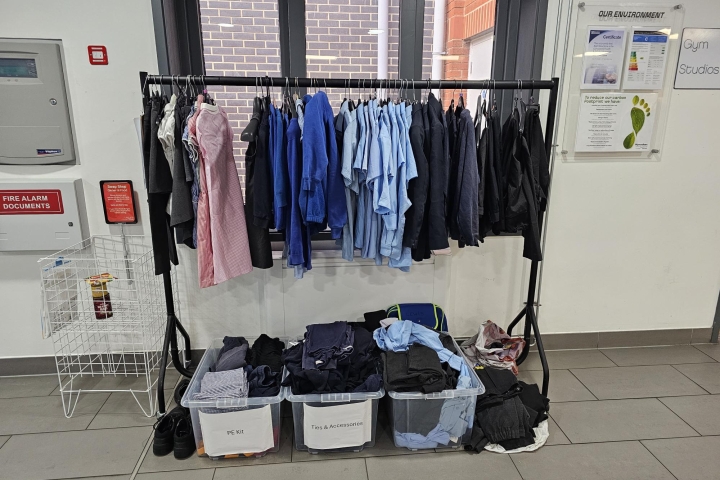
Organised by the councils’ recycling team, the swap shops at Wymondham Leisure Centre, Long Stratton Leisure Centre, Diss Swim Centre and Acle War Memorial Recreation Centre have rails filled with generous donations of school clothing, free for families to take.

Cllr Keith Kiddie, Cabinet Member for the Environment at South Norfolk Council, said: “We are delighted with the response from the local community. The rails are packed with clothes that are helping families get ready for the new school term. If you need a few things, then pay us a visit, save yourself some money and help the environment too.”

The initiative has already supported many households in easing the cost of getting children ready for September, while also ensuring that usable clothing does not go to waste.

Cllr Jan Davis, Cabinet Member for Environmental Excellence at Broadland District Council, added: “The generosity of our residents has been incredible. Hundreds of items have been donated so far, including school jumpers, shirts, trousers, skirts, PE kits, shoes and even ties!

“Extending the event gives even more families the chance to benefit while ensuring perfectly usable clothing gets a second life without going to waste.”

Families across the country are facing significant financial pressure when it comes to uniforms. Department for Education figures put the average cost at just over £340 for primary pupils and around £454 for those in secondary education.

While the government has introduced rules limiting the number of branded items schools can insist upon, aimed at saving some families over £50, charities and advisers warn that this alone does not bridge the gap.

Adam Rolfe, policy and public affairs officer at Money Wellness, said: “For many low-income households, even with such savings, uniforms will remain unaffordable without proper support.”

The organisation has called for a statutory grant to be introduced in England, similar to schemes in Scotland, Wales and Northern Ireland where families on certain benefits can claim between £93 and £200 per child.

Money Wellness found that only 22 of 153 local education authorities in England offer a dedicated grant, with seven more providing help in exceptional circumstances such as fire or flooding. This patchwork of provision has been described as a “postcode lottery of support”.

As the summer break draws to a close, uniform banks are experiencing rising demand. Families from a wide range of backgrounds are turning to them as a lifeline, with rising household bills adding to the strain. With children quickly outgrowing clothing, the pressure of cost is felt in a wide range of households.

Against this backdrop, South Norfolk Council’s swap shops provide a local, practical solution. They are working to make clean, wearable items available to all families, with no need to book or register.

Anyone can browse the rails, pick up what they need, and donate clothing their children have outgrown. The approach both reduces costs for families and helps tackle waste, reflecting a growing shift towards community-driven solutions as national support remains inconsistent.

With rails still well stocked and donations continuing to arrive, the extended South Norfolk Council school uniform swap shops show how local action simultaneously eases pressure on families while contributing to sustainability. An excellent example of what can be achieved when communities and local government work together.

Côte Brasserie launches Five Iconic French Dishes for just £10!

Today, Côte Brasserie have announced a very exciting and affordable new menu which offers a different iconic French dish everyday, Monday to Friday.

It definitely feels as though summer is well and truly over – with the weather turning colder and work now back in full force – so we definitely need something to cheer us up.

Not to worry though, Côte Brasserie have got you sorted.

If you’re looking to taste a delicious, classic dish for only £10, now is the perfect time to go to your nearest branch and try their new menu designed by Chef Steve Allen.

Known for his ability to elevate simple, timeless recipes into refined culinary experiences, Chef Allen has honed his craft in some of the world’s most prestigious kitchens – including Restaurant Gordon Ramsay, Pétrus, and Claridge’s, where he rose to Executive Chef.

This means that in closely working with Côte’s chefs, he is bringing Michelin-level expertise, authenticity and exceptional value to the establishments across the UK.

Each plate on offer, showcases the essence of French brasserie cooking, including mains: Steak Frites, Salmon Béarnaise, Confit Pork Belly, Beef Bourguignon, and Moules Frites taking centre stage. All meat is responsibly sourced, where steaks are aged for 30 days and hand-cut by Côte’s in-house butchery team, and seasonal produce is carefully selected to ensure all dishes are up to the highest standards.

Steve Allen was keen to prepare these dishes with finesse and precision whilst encompassing comforting, generous, and quality ingredients.

Founded in 2007, Côte Brasserie has now grown to have 70 restaurants across the UK, and this initiative has been implemented to reflect Côte’s commitment to making French dining accessible for all, without compromising on flavour or provenance.

To ensure that all guests can enjoy a little taste of French luxury at affordable prices, a vegan Tagine will also be available every day throughout this limited-time offer.

Steve Allen has commented: “At Côte, we believe that great food should be for everyone. These dishes are French classics, beloved the world over, and we wanted to make them available at a price that makes them irresistible. Quality is always at the heart of what we do, but so is generosity. This menu is about celebrating the pleasure of eating well, together, every day of the week.”

The Dishes of the Week (available on set days only) are as follows:

  • Monday: Steak Frites (usually £17.50)
  • Tuesday: Salmon Béarnaise (usually £19.50)
  • Wednesday: Confit Pork Belly (usually £19.50)
  • Thursday: Beef Bourguignon (usually £21.95)
  • Friday: Moules Frites (usually £16.50)
    Vegetarian Tagine available every day – usually £15.95

*prices from and may vary

It is very simple to unlock this incredible offer.

There are no terms and conditions – all customers need to do is say the simple password to the server: “I’m an icon.”


For more information – head over to the Côte Brasserie website now.

Norfolk Community Law Service marks 40th anniversary with move into new offices

Norfolk Community Law Service (NCLS) has marked its 40th anniversary year by moving into larger offices in the heart of Norwich, following a sustained rise in demand for its free legal advice and support services.

The charity has relocated from its former base in Prince of Wales Road to 4 Duke Street, the former headquarters of Liftshare and before that Eastern Electricity. The new space, once famous for its quirky indoor slide, has been adapted to create a more practical working environment for the organisation’s 38 staff and 170 volunteers.

Chief Executive David Powles said the move reflects both the growth of Norfolk Community Law Service and the continuing challenges faced by people across the county. “Demand for our services continues to grow as an increasing number of people are left without access to the type of support and representation which should be their right,” he explained.

“We are seeing more people face problems with debt, domestic abuse, family issues, immigration, employment and welfare benefit refusal, but fewer people with the money to pay for help or able to access Legal Aid. At the same time, the charity sector faces reduced public sector funding and a grant landscape which is ever more competitive.”

Despite those challenges, Mr Powles emphasised that NCLS remains committed to improving both client experience and working conditions for staff and volunteers.

“Being a charity should not mean we can’t be aspirational in wanting to look after our team and clients, and I am delighted that we now have an office which allows our team of staff and volunteers to do their best work in more comfortable surroundings.

“The public areas are also more suiting the needs of the 4,500 people we help every year.”

The official opening of the new office was attended by more than 100 guests, with Lady Pippa Dannatt, the Lord Lieutenant of Norfolk, and Bill Armstrong, President of NCLS, as guests of honour.

In his welcome speech, Mr Powles reflected on the significance of the move in the organisation’s 40th anniversary year. He also highlighted the charity’s ongoing recruitment drive for new trustees, encouraging members of the public to explore opportunities to contribute to NCLS’ future.

Volunteers, who play a vital role in delivering the service, have already noticed the benefits of the new space.

Chidimma Oguachuba, a third-year law student and volunteer, said: “I wanted to volunteer because I wanted to be able to provide help for people who are not privileged enough to seek support from other places.

“The new NCLS office has been a great space to volunteer in, as it has been spacious enough to fit volunteers from other services to work together, and it does not feel too crowded. The waiting room is also a highlight, as it has a welcoming feel to it.”

Since its founding in 1985, Norfolk Community Law Service has been dedicated to providing access to justice for disadvantaged groups. The services it offers are free, independent and confidential.

The organisations aim is to support those unable to afford legal advice, including groups such as those with disabilities, long-term health conditions, migrant workers, offenders and ex-offenders.

The charity offers a wide range of support including free initial legal advice, debt and welfare benefits advice, immigration assistance, domestic abuse legal support, family court guidance and mediation for Norwich City Council housing tenants. Interpreters are available for clients who need them, ensuring services remain inclusive and accessible.

The human impact of this work is illustrated by the many individuals who have been helped over the years.

One woman in her 60s, struggling with rent arrears and caring responsibilities, was supported to have her debts written off, freeing her from the risk of losing her home. Another client, a mother in distress after her ex-partner took her child without consent, was guided through the court process with the help of an NCLS McKenzie Friend, ultimately regaining custody and securing an order of no contact from her ex-partner.

For others, the service has been a lifeline in moments of despair. One man, burdened with over £7,000 of debt and worsening mental health, received support from NCLS to negotiate with creditors and his GP, leading to his debts being written off and the chance of a fresh start.

As it enters its fifth decade, Norfolk Community Law Service faces an uncertain financial landscape but continues to reaffirm its mission of providing access to justice for all.

With its expanded office space, dedicated staff and volunteers, and a commitment to meeting growing community needs, the charity says it will remain a vital part of Norfolk’s social fabric for years to come.

“Every day, we help people move through and out the other side of challenging, stressful situations,” Mr Powles said. “The impact of our work cannot be underestimated — whether it’s helping someone secure their right to stay in the UK, recover from debt, or escape an abusive relationship.

“This is what we do, and what we will keep doing, because we believe in social justice for all.”

Dereham Windmill restoration works safeguard historic landmark

Urgent repair work has been completed at Dereham Windmill in Norfolk to protect the Grade II listed structure from further deterioration.

The 19th Century windmill, built in 1836 by millwright James Hardy for local miller and baker Michael Hardy, has stood for nearly two centuries. After ceasing work in 1937, it fell into dereliction before being rescued and reopened to the public in 2013 as a community exhibition centre.

Trustee Philippa Whittington said the latest work focused on weatherproofing the building. “We had a number of work we had to do in getting rid of the moss on the outside and making sure the windmill was waterproof because we were suffering from a lot of water coming in through the bricks that were deteriorating so we are very pleased at the work that has been done,” she explained.

The repairs have tackled the most urgent problems, with phases of work still to come. Ms Whittington said the ongoing task of maintaining the site is shaped by financial constraints. “The idea is to keep it looking as it was shortly after 1836 when it was built, so it’s really maintaining that building and making sure it doesn’t deteriorate too much. The bricks tend to deteriorate in the weather, we have to make sure we replace them from time to time.”

Surveys have also shown that further restoration will be needed to the cap of the windmill, which was first replaced in the 1980s.

Dereham Windmill has a long and varied history. Auctioned in 1844 for £650, it went on to operate under the Fendick family, with a steam engine installed to supplement wind power. In later years, milling shifted to animal feed during the First World War, with wheat no longer processed for flour. By the early 20th century, the sails were removed and the paraffin engine took over, but by 1937 the mill had ceased working entirely.

After decades of dereliction, the mill was given Grade II status in 1972. Breckland District Council bought it for £1 in 1978, and restoration efforts began. A new cap and fantail were fitted in 1986, followed by new sails the following year. Despite setbacks, including storm damage and funding struggles, the mill eventually reopened in 2013 as a five-storey exhibition space, run entirely by volunteers.

Today, Dereham Windmill is the last surviving mill in the district. It hosts art displays, community events and educational visits across its five floors. Ms Whittington said her involvement has been an important way of connecting with the town since moving there: “It’s a good way of getting to know people and getting to know things that are going on and it’s nice to see something that is used for the community and it is staffed entirely by volunteers.”

Located in Cherry Lane, near Neatherd High School, the windmill remains a focal point of local heritage. While the recent works have secured the building for now, trustees say repairs will remain an ongoing challenge as they continue to protect one of Norfolk’s most distinctive landmarks.

One Big Multicultural Festival in Ipswich draws record crowd to Alexandra Park

The One Big Multicultural Festival in Ipswich has celebrated its biggest ever turnout, with more than 8,000 people gathering in Alexandra Park for a day of music, food and cultural activities.

Organised by BSC Multicultural Services and Ipswich Borough Council, the annual festival is designed to bring communities together in a free, family-friendly event. This year marked the 13th edition, with organisers saying it was the strongest line-up yet.

Festival lead Steve Favell, a long-standing volunteer with the charity, said the event had grown not only in scale but also in variety. “As well as a great line-up of live entertainment from many different countries we also have, 40 stall holders, many different types of food being offered from around the globe. Plus, this year we are planning a special Health Corner where you will be able to access free health advice.”

The new feature included services such as free ear checks from All About Hearing, skin blemish checks from Cancer Support Suffolk and general wellbeing guidance from the NHS Bee Well Bus.

On stage, audiences were treated to performances from across the world, with Kenyan-born Ipswich resident Nazneen Molu among those entertaining the crowds. Her singing, paired with traditional dress, added colour and vibrancy to the afternoon.

BBC Radio Suffolk presenter Wayne Bavin, who hosted the day, said: “I’ve been supporting this event since 2015. It’s a fantastic day out for the whole family and to look out from the enormous stage and see everyone enjoying themselves in the sunshine, is just great. Food and music are something we can all enjoy regardless of our nationality or faith.”

The entertainment was complemented by side stalls, crafts, and interactive activities. Families enjoyed a children’s funfair, face painting and henna art, while sports fans had the chance to take part in cricket, football and Kabaddi – a traditional Indian team sport which combines strength, speed and strategy in a form closely resembling an intensified version of ‘Tag’.

Community voices highlighted the importance of the festival’s message. One of the organisers, Boshor Ali, said: “Everybody’s seeing how important it is to unite our communities, and everyone in Ipswich is looking out for one another.”

Visitors echoed the sentiment. Winston Brown, attending with his family, said: “It is so beautiful to be here. I believe we are all of one God, and he’s given us a great day.”

Local leaders also spoke about the value of bringing people together. Councillor Neil MacDonald, Leader of Ipswich Borough Council, described the event as one of the highlights of the town’s cultural calendar. “I believe the diverse communities in our town help make it a great place to live, work, visit and enjoy, and this festival is an opportunity for all of us to come together to celebrate everything that’s good about Ipswich,” he said.

The importance of integration and shared experiences was underlined by Gulshan Kayembe, High Sheriff of Suffolk, who told the crowd: “The message to everyone is how important it is that we have events like this so we can integrate, get to know each other. That process of coming together is so key in today’s world where there are forces trying to rip us apart.”

Stallholder Naadirah Rahim, who offered henna tattoos, said the day reflected the inclusivity at the heart of the festival: “I’ve had a mix of race, a mix of gender, a mix of age, henna’s really for everyone because you can pick whatever design you want. Events like this are really important because it brings everyone together.”

Despite concerns over the weather in the lead-up to the event, the afternoon passed without rain, allowing the festival to continue uninterrupted.

With Alexandra Park filled with food, music and activity from midday until evening, organisers said the turnout showed the continuing appetite for events that celebrate the town’s diversity.

The One Big Multicultural Festival in Ipswich looks set to remain a fixture of the calendar for years to come.

Omid Djalili has added new UK dates to his Namaste Tour

After starting his tour in Canada in May 2024, Persian Comedy Powerhouse, Omid Djalili, has added extra dates in 2026 to his tour: Namaste.

The tour has taken him through the USA, Australia and Singapore, and now he has dates set up until the end of April 2026 to visit different venues across the UK.

Although Namaste is typically a word associated with peace and tranquillity, viewers can expect Omid to address the current state of the world with a controlled rage, which Omid described in an interview to Mark Wareham: “I’ve always tried to be nice about people but this time I can’t. The world is in such a terrible state.”

Exploring topics of climate change, terrorism, financial instability, oceanic pollution, and depletion of natural resources, Omid peacefully and joyfully controls his rage and unleashes a torrent of comedic vitriol upon the current state of this dangerously messed up planet.

Being from the Middle East, Omid sees himself being in a position of a “cultural stopgap”, where he can use his comedic stage to translate what’s going on in the world, in a way that his audience will understand. Coming from this background where he has the facts of what is going on in the world – Omid is making news accessible to everyone in the audience by putting his own funny spin on it.

“People don’t get what’s going on. They don’t get what’s going on with Joe Biden attacking Syria and Iraq. It’s me trying to use comedy to make it more palatable for a British audience to understand what’s going on. So I’ve put my hat in the ring.”

This will be a funny show, full of laughs about the horrific state of the world right now, and Omid is not holding back. There will be his usual flair of singing and dancing throughout, but overall, this is a systematic look at both the state of the world and himself.

The unfiltered deliverance of the show has sprung remarks of whether he has concerns about cancel culture, but Omid’s response is simple.

“The first third of the show is about me. And the journey I’m going to take you on, I could get cancelled for. So I talk about the times I have been cancelled, and the whole Israel-Palestine thing is in the context of me having been through this before because after 9/11 I was cancelled. Before the days of cancel culture, I was cancelled.

“Nothing can get worse and you’ve got nothing to lose. And that’s when people are at their funniest. (…) In my case, I’m just too old to care.”

Omid feels that his presence on the comedic stage is an opportunity to address the terrible state of the world – which he sees as being on the verge of the Third World War: “I have no say, but I can certainly put out some thoughts and ideas that will have a little influence.”

Omid is recognised as a firm favourite at the Edinburgh Festival and has won the Time Out Award for Best Stand Up, but he is a man of many talents. His credits span further than just comedy, having worked from Hollywood to television and the West End with critically acclaimed performances as Fagin in Oliver! and Reb Tevye in Fiddler on the Roof.

Omid has admitted that he is focussed on always trying to make the show better and funnier, and loves talking to people afterwards to see the different demographics, backgrounds and individuals who join him on his exploration of the current state of the world.

Tickets are on sale to attend one of his shows in the UK now. For all tour dates and tickets to a show near you, click here.

Skip to content Skip to content