[directorist_search_result]

Hunstanton to Honour the Fallen at Annual Remembrance Parade and Service

Hunstanton Town Council is inviting residents and visitors to gather in remembrance on Sunday, 9th November 2025, for the town’s annual Remembrance Parade and Service.

The event, held in honour of those who served and sacrificed in the armed forces, will begin with a parade assembling at the United Services Club at 10:40 am before proceeding through the streets to the town’s historic Cenotaph.

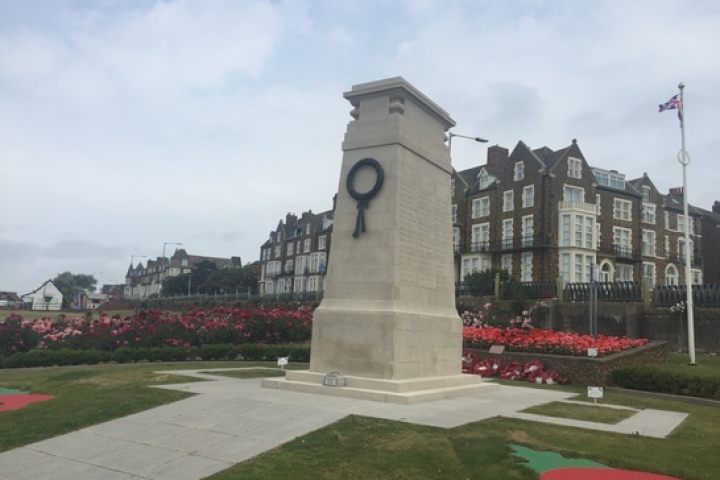
At 11:00 am, a Remembrance Service will take place at the Cenotaph in Esplanade Gardens, Cliff Parade, overlooking the Norfolk coastline. The service will include the traditional laying of wreaths, readings, and a two-minute silence marking the eleventh hour of the eleventh day, a moment of national reflection for those who gave their lives in war.

Everyone is welcome to attend, whether to march in the parade or to line the route and pay their respects. The Town Council encourages members of the community, local organisations, and visitors to come together for this solemn occasion. Timings remain provisional and may be subject to slight adjustment on the day.

The Hunstanton War Memorial, a Grade II listed Cenotaph maintained by Historic England, stands as the focal point of the ceremony. Made of Portland stone, the white monument bears bronze wreaths and inscriptions honouring the fallen from both World Wars. Its main face reads, “To Our Glorious Dead,” commemorating 53 men who died in the First World War and 15 in the Second. Names such as Thomas William Adcock, Charles Cyril Andrews, and Reginald Owen Bassham are among those permanently etched into its sides, local sons remembered by generations.

The memorial also bears later inscriptions marking the continued service and sacrifice of Hunstanton residents beyond 1945, with additional names from 1949 and 1979 engraved as reminders that peace itself has a price.

Originally erected to honour those lost in the First World War, the memorial was later expanded and restored. Conservation work in 2010 by Athena Conservation helped ensure the monument remains in good condition, preserving its role as a site of reflection for future generations.

For many, the Remembrance Service at Hunstanton’s Cenotaph is more than a tradition. It is a deeply personal act of gratitude and memory. Standing amid the Esplanade Gardens, with the sea beyond, the white stone monument offers a place where history, sacrifice, and community meet.

As the Last Post sounds and silence falls, Hunstanton will once again unite to remember the courage of those who served, ensuring that their names, carved in stone and carried in hearts, will never be forgotten.

Saham Toney Flood Protection Scheme Brings Hope Thanks to Norfolk Strategic Flood Alliance

Residents of Saham Toney, near Watton, are now better protected from flooding thanks to the completion of a major flood protection scheme led by the Norfolk Strategic Flood Alliance (NSFA). The initiative, which includes new flood storage basins and nature-based solutions, marks a turning point for the village after decades of recurring floods.

Saham Toney was identified as a priority area by the Norfolk Strategic Flood Alliance following repeated flooding over the past thirty years. By bringing together local government, water authorities, and drainage boards, the alliance coordinated a multi-agency response that delivered a 22,000m³ flood storage basin — completed ahead of schedule and under budget. The scheme includes two large storage basins located upstream of the village and 14 leaky dams, forming part of a wider flood alleviation programme that will continue for the next two years.

The £multi-agency project was jointly funded by Norfolk County Council, Anglian Water, and central government, and was constructed by the Norfolk Rivers Internal Drainage Board (IDB). But beyond the engineering, the project’s success has been driven by the cooperation and trust of local landowners who agreed to host flood infrastructure on their land.

Henry Cator, Chairman of the Norfolk Strategic Flood Alliance, praised the collective effort that made the scheme possible. “The scheme in Saham Toney is a testament to what can be achieved when we work together. NSFA’s role is to bring the right people to the table, and in this instance, collaboration has delivered real reassurance for residents. Sir David’s support has been key to providing this flood resilience scheme. We’ve seen projects that could have offered good levels of protection for communities fall through, because landowners weren’t willing to work with us.”

One such landowner, Sir David Ralli, whose land now hosts the first flood storage basin, reflected on his experience: “When I was first approached, I had concerns. But the team explained the long-term benefits clearly—not just for the village, but for the land itself. I’ve seen how these basins improve soil moisture and support wildlife. It’s a win-win. I’d encourage other landowners to get involved. The countryside needs us to step up.”

Capable of holding more than nine Olympic-sized swimming pools, the first basin will help safeguard over 30 homes in Saham Toney from the effects of extreme weather, including heavy rainfall and storms. The second basin, due to be constructed next spring, will be located on land owned by the Parish of Saham Toney.

The flood storage basins work by temporarily holding excess water during periods of heavy rain and releasing it slowly to prevent downstream flooding. This reduces pressure on known flood bottlenecks within the village and helps protect both homes and farmland.

Councillor James Bensly, Cabinet Member for Environment and Waste at Norfolk County Council, said: “This is one of the largest flood mitigation schemes ever delivered in Norfolk, and it’s a brilliant example of partnership working. Completing it ahead of schedule and under budget is a testament to the dedication of everyone involved.”

Beyond flood protection, the scheme also offers environmental benefits. The basins create new wetland habitats for amphibians and improve soil water retention, which will help support agriculture during dry spells. Phil Camamile, Chief Executive of Norfolk Rivers IDB, explained: “As the delivery partner and principal contractor, Norfolk Rivers IDB used clay sourced on-site to create new flood storage basins. By avoiding the need for imported materials, the project has reduced both costs and carbon footprint. It’s a great example of how smart engineering can deliver community resilience, environmental enhancement, and value for public investment.”

The project also incorporates sustainable drainage systems (SuDS) and rainwater harvesting measures to reduce surface water runoff from nearby housing estates, further increasing resilience to climate impacts.

Saham Toney, a civil parish in the Breckland district of Norfolk, is no stranger to challenging weather. The village, situated between Thetford and Norwich, has a long history stretching back to the Roman period, with evidence of early settlements nearby. Its name derives from the Old English for “homestead by the lake,” reflecting the 13-acre mere that has shaped local life for centuries.

Today, the village retains its historic charm with a flint-built parish church, St George’s, featuring a 15th-century tower and beautiful stained-glass windows. Saham Toney also has a thriving community centred around its local school, public house, and parish council. Former British Prime Minister John Major even spent time in the village during the Second World War when he was evacuated there as an infant.

Now, thanks to the Norfolk Strategic Flood Alliance, Saham Toney’s future looks more secure. The flood protection scheme not only safeguards homes but enhances the local landscape, supporting biodiversity and building community resilience. By combining engineering expertise, environmental care, and local cooperation, the NSFA has shown what can be achieved when people work together for a common good.

For the people of Saham Toney, who have endured years of uncertainty, the completion of the flood basins represents more than just infrastructure — it’s peace of mind. And for Norfolk as a whole, it stands as an inspiring example of how the Norfolk Strategic Flood Alliance is helping communities prepare for a changing climate while protecting the natural beauty and heritage that define the region.


Winter challenge encourages people to create connections and combat loneliness

The Winter Connections Challenge was officially launched at Norfolk and Suffolk NHS Foundation Trust’s (NSFT) Annual General Meeting last week on Thursday 9th October 2025.

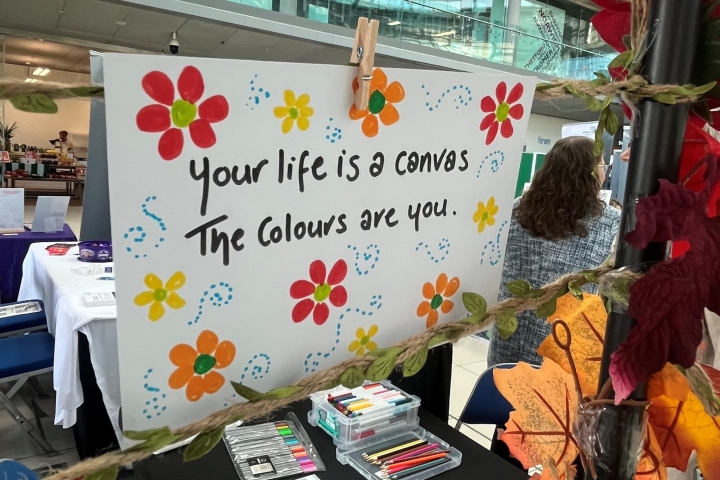
Supported by a marketplace showcasing the improvements the Trust has made over the past year, the AGM took place at The Forum in Norwich and highlighted the introduction of this project.

Anthony Deery, Chief Nurse, said: “Our Trust vision is to be safer, kinder and better and by taking part in this challenge, people will be demonstrating kindness; kindness that will help others feel safe and better about themselves. We all have a part to play in looking out for each other and this challenge gives us the opportunity to do that in an inspiring and creative way.”

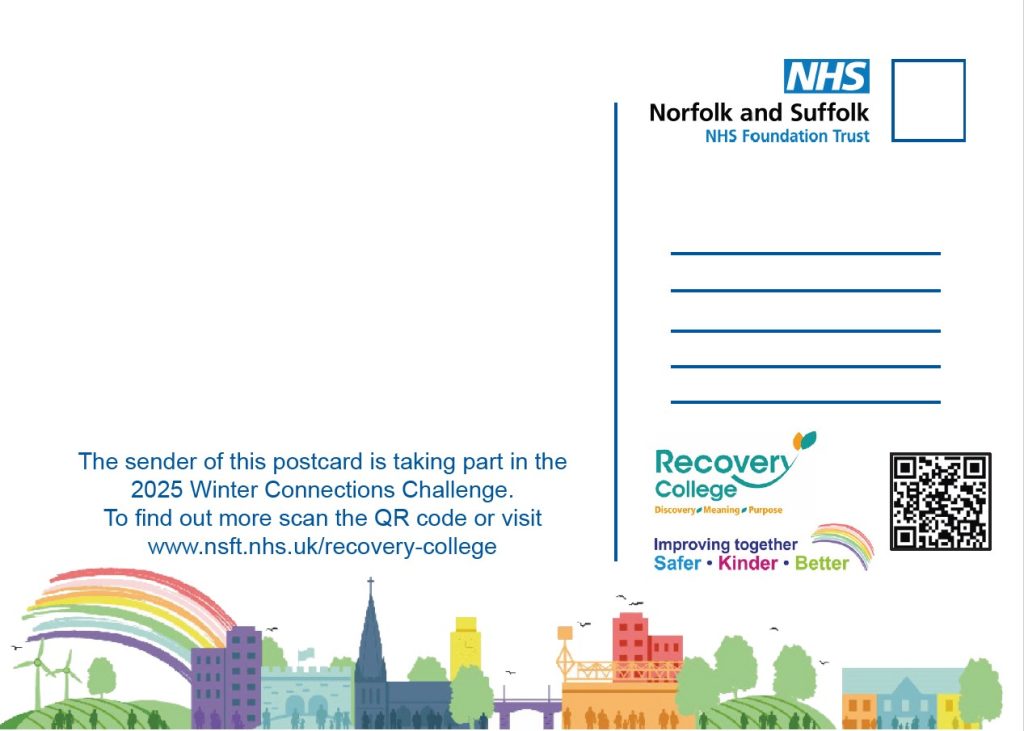
In a bid to combat loneliness and help stay connected with others over the winter months, people living across Norfolk and Suffolk are being encouraged to get involved. The Recovery College is the team behind the Winter Connections Challenge, which is designed to invite members of the public to place a design on a postcard which can be sent to someone they know who may feel isolated or lonely at this time of year – or simply someone they wish to connect with.

Recovery College Manager, Ash Moorcroft, explains why they want to encourage connection between people: “We know in Norfolk alone over 20 per cent of adults experience loneliness, and the research tells us this number might increase. Loneliness is a key factor in physical and emotional health and we want to play our part in tackling it.

“Connection is right at the heart of what makes us feel good about ourselves and our lives. When we have strong connections, we feel we belong, we feel supported, and we can celebrate the good times and look after one another in the tough times. When we don’t have it, we struggle to thrive

“By sending a postcard, not only will we brighten someone’s day when it lands on their doormat, but it lets them know we are thinking of them. A postcard feels different to a text message, it doesn’t demand an answer, but it might be enough to spark a connection and give someone the opportunity to reach out if they need support. If we make time to nourish our connections, we build a strong foundation to support ourselves and others, through even the most difficult moments we face.”

The Recovery College is for anyone aged over 16 and living in Norfolk and Suffolk who are looking to improve their mental health/wellbeing. This also includes carers, supporters and other professionals.

They offer both in-person and virtual free courses, which are designed to help build skills and strategies to support your mental health or others. Every year the Recovery College connects with over 4000 people across Norfolk and Suffolk.

A £50 gift card is being offered for the most inspirational design of postcard, and for those who wish to enter the competition, all you need to do is email a photo of their design to recoveryonline@nsft.nhs.uk by 31st December 2025.

The winner will be announced on the Recovery College’s Facebook page and on their webpage.

Bella Italia Marks World Pasta Day with ‘Bring Your Own Pasta’ Celebration

It’s World Pasta Day this week and Bella Italia is celebrating with an initiative that goes beyond the restaurant table and into the heart of local communities.

On Wednesday 15th October, guests are invited to take part in Bring Your Own Pasta Day, where they will have the unique opportunity to enjoy a free main pasta dish while helping stock the shelves of food banks across the UK.

So how does it work?

Guests simply need to bring an unopened packet of dried pasta when they dine in at participating Bella Italia restaurants, and in return they will receive a main pasta dish for free (which average value £15). All of the donated packets will be collected and delivered to nearby food banks to support families in need.

This simple gesture will turn one plate of warming, tasty and comforting pasta into so many more – for people who really need it.

Pasta has always been the hero of Bella Italia’s menu, so by linking its best-loved dishes with an act of giving, Bella Italia is showing how food has the power to unite people, spark joy, and make a tangible difference in the wider community.

A spokesperson has commented: “Bella Italia has always been about more than just great food it’s about family, connection, and community. Pasta is at the heart of what we do, and we know how much comfort and happiness it brings to our guests.”

“With Bring Your Own Pasta, we want to use that same comfort to reach further, supporting local food banks that are a lifeline for so many families right now. By joining us for a meal and bringing along a simple packet of pasta, our guests can help us spread a little more kindness across the country.”

T&Cs:

  • The offer is valid on Wednesday 15th October 2025 and is for dine-in guests only at participating stores.
  • The promotion is running nationwide, but will not be available at Center Parcs, Edinburgh Northbridge, London Paddington, Leicester Wigston, or Dover.
  • Tables of up to six people are welcome to take part in the initiative and can redeem the offer by making at least one purchase. The free pasta will apply to the cheapest eligible main course.
  • The offer is not available for takeaway, delivery, or click-and-collect, and cannot be combined with other discounts, set menus, or vouchers. Menu items are subject to availability. Bella Italia reserves the right to amend or withdraw the promotion at any time.

With over 70 restaurants nationwide, Bella Italia is a favourite for Italian-inspired food that celebrates pasta in all its forms. From comforting family favourites to vibrant new dishes, Bella brings people together around the table and with Bring Your Own Pasta Day, that table extends out into the community, where it’s needed most.

Raham Project Seeks Funds to Support Growing Ethnic Minority Families in Peterborough

The Raham Project in Peterborough, a community organisation supporting ethnic minority families through pregnancy, is seeing rising demand for its services and is actively fundraising to continue its work.

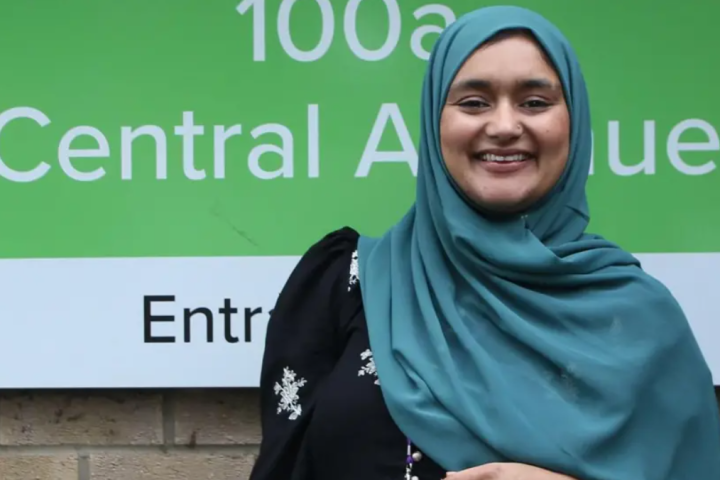
Founded five years ago by Faiza Rehman, an NHS midwife with 17 years’ experience, the project has provided pre-natal support to more than 800 families, tailored specifically to cultural needs. Ms Rehman said she launched the initiative after observing “disparities and unconscious bias in maternity care.” She added that the project was created to amplify ethnic voices and better understand the challenges faced by diverse communities.

The project offers a range of services, including lunch clubs, walk-and-talk sessions, pre-natal advice, and signposting to other support services. It also provides cultural awareness training for healthcare professionals aimed at bridging gaps in understanding and improving outcomes for families from ethnic minority backgrounds.

Ms Rehman explained that demand is growing, reflecting both the need for inclusive care and the trust the project has built in the local community. “The kind of stories that we’ve heard over the years essentially keep reiterating what the national picture is telling us – that these families feel getting access to care isn’t easy for them or feel like they weren’t being listened to,” she said.

Although the perinatal period covers pregnancy and the first two years after birth, many families continue to seek support beyond this timeframe. “We want to create a safe space for our families and make sure they have a support network,” Ms Rehman said. “Our monthly walk-and-talk helps them get out, get some fresh air. Our lunch club brings mums from diverse communities together, in a relaxed environment, get information about pregnancy and parenthood, and enjoy home-cooked meals.”

Most families the Raham Project helps are from Black, Asian, or mixed ethnic backgrounds, with growing participation from Eastern European and Egyptian mothers. Language barriers are a factor in some cases, and Ms Rehman noted that sessions also support Egyptian mothers in improving their English through socialising.

Previously, the organisation was funded by Peterborough City Council’s Family Hubs Scheme, but with rising demand, it is now seeking additional funds to expand services and meet the needs of a wider range of ethnic communities.

Ms Rehman said the team is committed to remaining responsive to the community. “We are going to keep going. We are going to ask them what they need and we’re going to stay rooted to our purpose,” she said.

The Raham Project in Peterborough has been described by service users as “life-changing,” highlighting its role in addressing gaps in maternity care, providing culturally sensitive support, and creating a safe and welcoming environment for families. Its combination of practical support, social connection, and advocacy makes it a vital resource for ethnic minority parents across the city.

As demand grows, the organisation is calling on local residents, businesses, and charitable donors to help sustain its services and enable it to continue providing essential pre-natal and post-natal support tailored to the city’s diverse communities.

Norwich Communities to Receive £40m Under Pride in Place Programme

Two of Norwich’s most deprived areas are set to benefit from £40 million in government investment through the Pride in Place funding in Norwich, with a focus on improving youth services, employment support and community facilities.

The Bowthorpe and West Earlham, and Heartsease and Pilling Park neighbourhoods will each receive £20 million over the next ten years as part of a national programme aimed at regenerating overlooked communities. The government has said that local residents will be able to shape how the money is spent to ensure that investment meets community needs.

Labour councillor Claire Kidman described the announcement as “absolutely ground-breaking,” adding: “Not in my time have I ever heard of any investment quite like this.” She said the funding would give local people the opportunity to develop ideas that reflected their priorities. “Ideas will be coming from communities because it’s communities who best know their areas,” she said.

The two Norwich areas were selected using data from the Index of Multiple Deprivation (IMD) and the Community Needs Index, which measure levels of poverty, access to services and overall quality of life. Kidman said targeted investment at this level could make a “really big impact” and suggested it could go towards affordable cafes, green spaces or venues for young people.

In Heartsease, local business owner Anne Martin, who runs Great Eastern Models on Plumstead Road, said improvements to public facilities were long overdue. “Over the years things get run down,” she said. “The bus stop has been run down, there’s no seating area, the railings need painting, there’s no bins, there’s no parking, there’s no toilets. The place looks shabby and if a place looks shabby people don’t care and when people don’t care they chuck litter down, they have anti-social behaviour and they don’t want to visit because they think it’s a bit of a rough and ready area.”

Daniel Childerhouse, chief executive of Future Projects, said the ten-year funding model meant the investment could deliver long-term benefits. “Bowthorpe is a place with a really strong community… but there are challenges around everyday deprivation and poverty that a lot of communities in Norwich experience but are often hidden,” he said. “There’s issues with education, training and skills in and around that area, there’s employment issues as well and there are a number of families that are really struggling financially, struggling to put food on the table and heat their homes.”

The Pride in Place programme is part of a £5 billion government investment across 339 communities in the UK. It is designed to revitalise high streets, improve public spaces and strengthen local pride. Each selected area will receive £2 million per year for a decade, while 95 others will get a one-off payment of £1.5 million.

The initiative also encourages councils to buy and repurpose disused or derelict buildings for community use, such as converting empty department stores into health centres or housing. The government has said local residents, charities and social clubs will have to be involved in deciding how money is spent before projects are approved.

Unlike the previous Levelling Up Fund, councils will not have to bid for this money. Instead, the selected neighbourhoods were identified based on deprivation rankings and existing community need.

Prime Minister Sir Keir Starmer described the programme as a major step in reversing local decline, saying: “For too long, people have watched their towns and streets decline – powerless to stop boarded-up shops and neglected parks. That ends now. We’re investing in the UK’s future, by backing the true patriots that build our communities up in neighbourhoods across every corner of the country. Because it’s people who bring pride, hope and life to our communities.”

The Pride in Place programme also includes measures to help councils tackle issues that damage high streets. Local authorities will be encouraged to block “unwanted” betting and vape shops and to take action against “fake” barbers suspected of illegal activity. The government has indicated that the Tobacco and Vapes Bill may be extended to give councils additional powers to control high street businesses.

While some have welcomed the investment, others have questioned its long-term impact. Conservative shadow communities secretary Sir James Cleverly said the funding would be “dwarfed by tax rises,” while others warned that regeneration would only succeed with proper local leadership and training.

Cathy Parker, professor of place management at Manchester Metropolitan University, said the plan had “real potential” but would require “training and support” for local leaders to deliver effective results. She said: “Town centres have to invent themselves into things that matter to people, that they can’t get online and they can’t get out of town.”

The Pride in Place funding in Norwich forms part of this wider national strategy to strengthen community identity and improve quality of life in areas most affected by deprivation. For Norwich, it represents one of the largest injections of community investment in decades — and a significant opportunity for local people to shape the future of their neighbourhoods.

East Anglian Touring Consortium Launches to Support Mid-Scale Theatre Productions

Seven theatres and production companies across Suffolk, Essex and Peterborough have joined forces to tackle the challenges facing mid-scale touring theatre. The new partnership, called the East Anglian Touring Consortium, aims to strengthen collaboration, support local artists, and ensure that high-quality productions continue to reach audiences across the region.

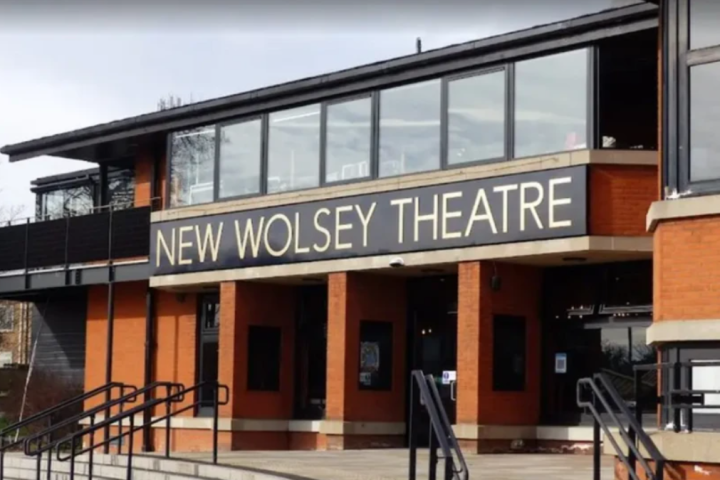
The organisations involved are the New Wolsey Theatre in Ipswich, Theatre Royal Bury St Edmunds, Mercury Theatre in Colchester, Queen’s Theatre Hornchurch, Eastern Angles Theatre Company, Landmark Theatres, which operates the New Theatre Peterborough, and HighTide, based in Ipswich and London. Together, they will pilot a new touring model designed to make mid-scale productions more viable and sustainable.

Douglas Rintoul, Chief Executive of the New Wolsey Theatre, said there was a “real shortage of high-quality work” for mid-scale touring and that the financial and logistical pressures of producing such work were “incredibly tough.” He explained that the consortium had been formed to address these challenges collectively, with an emphasis on developing new writing and nurturing local talent.

Mr Rintoul said: “Across the country, there’s a real shortage of high-quality work for the mid-scale, especially in town-based theatres like ours. For those of us still producing at that level, the landscape has changed dramatically.”

He added that while large-scale co-productions with national partners could be “thrilling,” they often limited the kind of locally grounded stories that regional theatres want to tell. “They limit the kind of stories we can tell that are not necessarily rooted in our towns and relevant to the communities we serve,” he said.

The East Anglian Touring Consortium will tour productions between five main venues across East Anglia, employing local staff and creatives who can build sustainable careers within the region. This approach aims to reduce production costs, retain skills locally, and offer more consistent employment opportunities for theatre professionals.

The consortium’s combined effort is expected to reach an audience of more than 15,000 people through live performances, with a further 3,000 engaging digitally through online platforms. The pilot model will allow the partner venues to test new ways of co-producing and touring that balance creative ambition with financial sustainability.

The first production under the new partnership will launch in spring next year. It will be a musical set in the 1960s, focusing on young people from Clacton in Essex. The choice of story reflects the consortium’s goal of developing productions that are locally inspired and culturally relevant to audiences across the region.

The formation of the East Anglian Touring Consortium marks a significant step in responding to the challenges facing mid-scale theatre in the UK. Rising production costs, reduced touring networks, and changing audience habits have made it increasingly difficult for regional theatres to produce and share new work. By working together, the participating organisations aim to strengthen East Anglia’s cultural infrastructure and ensure that high-quality, locally meaningful theatre continues to thrive.

Through this collaborative approach, the consortium seeks to demonstrate that regional partnerships can offer a sustainable model for the future of mid-scale touring. Its focus on new writing, local employment and community relevance positions it as an example of how theatres can adapt to current challenges while continuing to produce ambitious and engaging work for audiences across the East of England.

Peterborough Receives £938,000 to Tackle Homelessness on World Homelessness Day 2025

On World Homelessness Day 2025 (10 October), Peterborough has been allocated £938,260 in additional Government funding to support people facing homelessness in the city. The funding is part of an £84 million national package announced by the Government to prevent and reduce rough sleeping across England.

The money will be distributed during the current financial year through the Rough Sleeping Prevention and Recovery Grant (RSPARG) for 2025/26. It will be used to prevent and reduce rough sleeping, stabilise current numbers, and support individuals with complex needs. The grant will also strengthen prevention services to ensure fewer people sleep rough before receiving help, enhance collaboration with the voluntary, community and faith sector, and ensure that local services are prepared for the winter of 2025/26.

Councillor Shabina Qayyum, Leader of Peterborough City Council, said:

“We are delighted with this Government announcement of even more money pledged to our city, nearly £1million – this time to tackle homelessness. Those who are threatened with homelessness and suffering from homelessness are some of our most vulnerable residents. This money will help them to rebuild their lives and find a safe, stable home. Ultimately, it will help save lives in our city.”

Councillor Christian Hogg, Cabinet Member for Housing and Regulatory Services, said:

“It is fitting that this money has been made available to us today, on World Homelessness Day and will provide a good uplift to the services we provide in the city tackling rough sleeping and helping to prevent homelessness.”

World Homelessness Day is observed internationally every year on 10 October. It aims to raise awareness about the needs of people who are experiencing homelessness and to promote action within local communities to prevent and reduce homelessness. The day also serves as an opportunity for governments, councils and charities to highlight local initiatives, announce policy changes and allocate funding to improve services.

The concept of World Homelessness Day began in 2010 following international discussions among professionals and volunteers working to address homelessness. Since then, it has been observed annually in more than 100 countries across all continents except Antarctica. The day provides a platform to celebrate good practice, measure progress and encourage collaboration between public, private and charitable organisations.

The funding for World Homelessness Day 2025 in Peterborough is intended to strengthen the city’s ongoing work to tackle rough sleeping and housing instability. Peterborough City Council continues to work with local charities, housing associations and community organisations to deliver both emergency and preventative services. These include outreach work, temporary accommodation, and support programmes that help people move into stable housing and employment.

The new Government grant will reinforce these existing efforts by increasing capacity and improving coordination across local agencies. It will also support initiatives designed to address the underlying causes of homelessness, such as mental health challenges, substance misuse and financial hardship.

World Homelessness Day is often used by cities to launch new projects, announce funding, and acknowledge the work of frontline staff and volunteers who provide essential services. In Peterborough, the timing of the announcement reflects the city’s continued commitment to addressing homelessness through partnership working and practical support.

Since its establishment in 2010, World Homelessness Day has encouraged cities around the world to use the occasion to review progress, share learning, and renew efforts to provide safe and sustainable housing solutions. The additional £938,260 for World Homelessness Day 2025 in Peterborough will help ensure that more people have access to the support they need and that local services are prepared to respond effectively to demand throughout the year.

Black History Month 2025 in Cambridgeshire: Standing Firm in Power and Pride

Cambridgeshire County Council is marking Black History Month 2025 in Cambridgeshire with a touring exhibition that brings together local artists and historical works from The Museum of Cambridge.

The free exhibition showcases creativity, culture, and community pride, uniting local voices in celebration of this year’s national theme: Standing Firm in Power and Pride.

The exhibition opened at New Shire Hall in Alconbury Weald on 6 October, where it remained until the 10th following an opening ceremony on Monday. It will then move to Huntingdon Library from 13–15 October before concluding at Anglia Ruskin University in Cambridge on 16 October. Each venue provides a new opportunity for visitors to engage with the stories, heritage, and artistic achievements of Black Britons who have shaped both local and national history.

Among the exhibits are artworks created by County Council employees and local artists, including the Cambridge Black Creatives collective. Visitors can also explore a selection from The Museum of Cambridge’s acclaimed Legacies of Windrush exhibition. Together, these works highlight personal experiences, cultural identity, and the enduring influence of Black heritage across the region.

Black History Month has been celebrated in the UK every October since 1987. That year marked 150 years since the abolition of slavery in the Caribbean, the centenary of Marcus Garvey’s birth, and the 25th anniversary of the Organization of African Unity. The first celebration was initiated by Akyaaba Addai-Sebo, a Ghanaian refugee and activist who worked with the Greater London Council to promote understanding, representation, and the recognition of Black British contributions. His vision continues to inspire events like Black History Month 2025 in Cambridgeshire, encouraging communities to celebrate Black culture and challenge racism through education and creativity.

The Council’s exhibition reflects this enduring purpose: to invite everyone to celebrate, learn about, and acknowledge the richness of Black culture, excellence, and history. It is a call to both reflection and action — to see the past clearly while supporting future generations through representation and pride.

One of the featured artists, Blessing Aina, explained the personal significance of the event:

“Black History Month is deeply meaningful to me because it honours the struggles, resilience, and achievements of Black people, while reminding us of the importance of representation and identity. As a Black woman and a social worker, I see the value of sharing stories that celebrate culture and inspire pride.”

She continued:

“Taking part in this exhibition is my way of contributing to that narrative; to celebrate my heritage, reflect on the progress made, and ensure that future generations see themselves represented and valued.”

Councillor Peter Macdonald, Chair of Cambridgeshire County Council, echoed this sentiment at the exhibition’s opening:

“I am delighted that we are celebrating Black History Month with this exhibition that brings people together to honour Black experiences, history and culture in our county through powerful expressions of creativity.

As a Council of Sanctuary, we are committed to creating a welcoming and inclusive environment for all people in Cambridgeshire. I’d encourage everyone that can to visit this inspiring exhibition as it tours the county over the next week.”

Through art, storytelling, and shared experience, Black History Month 2025 in Cambridgeshire stands as a testament to the resilience and creativity of the Black community. It invites everyone — residents and visitors alike — to stand firm in power and pride, celebrating the histories that continue to shape a more inclusive future.

Skip to content Skip to content