[directorist_search_result]

Temporary Traffic Lights Installed at Friday Street Junction Amid Safety Concerns

Temporary traffic lights have been installed at the A12 junction with the A1094 at Friday Street in Suffolk following a series of collisions at the ongoing roadworks site. The works are part of the Sizewell C development, which includes constructing a roundabout linked to a new bypass for Farnham and Stratford St Andrew.

Concerns were recently raised about “confusing” traffic signals at the junction, and Suffolk Police confirmed it was investigating three crashes. In response, Sizewell C said three-way traffic lights will operate from the evening rush hour until 06:00 GMT the following day to improve safety. Traffic barriers will also be replaced with cones, and the positioning of road signs is being reviewed to provide better visibility for motorists.

A spokesperson for Sizewell C said: “As a precaution, we’re working closely with Suffolk County Council and the police to respond to concerns about traffic management on Friday Street. At Sizewell C, safety is and will always remain our top priority. We will continue to monitor the area daily and adapt our traffic arrangements to protect both road users and our workforce.”

Independent East Suffolk councillor Julia Ewart highlighted the risks at the site, warning drivers to “stay away” and describing the junction as “treacherous.” She told the BBC that the changes to the right-of-way and the number of lights had made the area difficult to navigate, especially at night, and said accidents were occurring on a night-by-night basis.

The junction sees more than 15,000 vehicles daily travelling along the A12 from Farnham and Stratford St Andrew to the A1094 for Aldeburgh, according to Department for Transport figures. Suffolk County Council and Suffolk Police stated they are working closely with Sizewell C and will continue discussions on traffic management.

The roadworks and associated safety measures are expected to remain in place until the spring, with ongoing monitoring to reduce the risk of further collisions.

Cambridgeshire Council Submits Final Two-Unitary Proposal for Government Review

Cambridgeshire County Council has published its final proposal for Local Government Reorganisation, known as Option A and presented under the phrase Two Councils. One Fairer Future.

The proposal, released on 27 November, will be submitted to Government by the deadline. It follows the Full Council decision made in October and includes a letter arising from a motion by Councillor Sarah Caine. Her motion states that although reorganisation offers “an opportunity to create a more resilient and responsive model of local government,” it also represents “a missed opportunity for local communities” because of restrictive Government criteria and timescales.

Option A sets out a plan to replace the current seven councils across Cambridgeshire and Peterborough with two new unitary authorities. One would form a Northwest unitary council made up of Fenland, Huntingdonshire and Peterborough. The other would create a Southeast unitary council covering Cambridge, East Cambridgeshire and South Cambridgeshire.

The proposal describes Option A as being about “fairness and reform,” with a focus on strengthening public services. It says the new authorities would “balance the population, land mass and base budgets of the existing councils,” and ensure that both rural and urban interests receive fair access to resources. It argues that the new councils would be large enough to “withstand future financial shocks” and capable of delivering efficiencies through shared service delivery and commissioning.

The alignment of boundaries with the NHS is presented as a major advantage, intended to “limit disruption for residents supported by high cost and complex services” and to preserve the working relationships needed for effective reform. The proposal also emphasises the need to “reflect functional economic areas” and to recognise the “distinctive, yet interconnected economies” of the region.

A substantial section focuses on identity and local connection. The document says Option A would “respect historic identities and the patterns of our residents’ daily lives,” including travel to work and travel to learn routes that already shape the county. The introduction of Neighbourhood Area Committees is described as a way to give people “a stronger, more empowered, and more local voice,” while keeping elected councillors at the centre of political leadership.

Consultation results formed a key part of the evidence base. Between September and October, 1,912 responses were gathered from residents, businesses, public bodies and community and voluntary sector groups. Support was strong in several districts. East Cambridgeshire registered 67 percent support. Cambridge City reached 62 percent. South Cambridgeshire saw 61 percent. Peterborough also had a majority at 55 percent. Among organisations, 65 percent were in favour, along with 58 percent of elected representatives.

Not all areas supported the proposal. Fenland recorded 26 percent support, while Huntingdonshire reflected only 20 percent. The council notes that this was “largely due to concerns about local identity” under the proposed new structure.

Significant institutional backing came from the NHS. The Cambridgeshire and Peterborough Integrated Care Board, Cambridge University Hospitals NHS Foundation Trust and North West Anglia NHS Foundation Trust each sent formal letters of support. These letters agreed that Option A “aligned with patient flows and NHS neighbourhood models” and would support continuity of care. Anglia Ruskin University submitted a letter noting its presence in both Cambridge and Peterborough and describing the proposals as an opportunity for “stronger partnership working in the future.”

Council leaders addressed both the strengths and the sensitivities of Option A. Cllr Lucy Nethsingha said that “LGR is an extremely emotive subject and there are differing views,” but she added that after careful listening “it is my strong view that Option A is the right solution for Cambridgeshire and Peterborough.” She also said the proposal “reflects the travel to work corridors, the health and care boundaries, protects the historic identities that matter to our communities, and it has an equal balance of population and financial resources.”

Cllr Lorna Dupré said that Option A “will secure the future of vital services” and argued that “two financially stable councils will safeguard support for vulnerable children and adult social care.” She added that “within the rules laid down by the Government for this process, we believe this is the best way to enable inclusive growth and better public services.”

The next steps are clearly set out. Government consultation with communities is expected in spring 2026, followed by a decision in the summer. Elections for shadow authorities are anticipated in May 2027. If implemented, the new councils would come into existence on 1 April 2028.

For now, the submission of Two Councils. One Fairer Future. marks a decisive moment. With strong institutional backing, varied public reactions and clear ambitions for reform, Option A will shape the conversation about the future of local government for years to come.


Peterborough new leisure centre funding secured with £20m government support

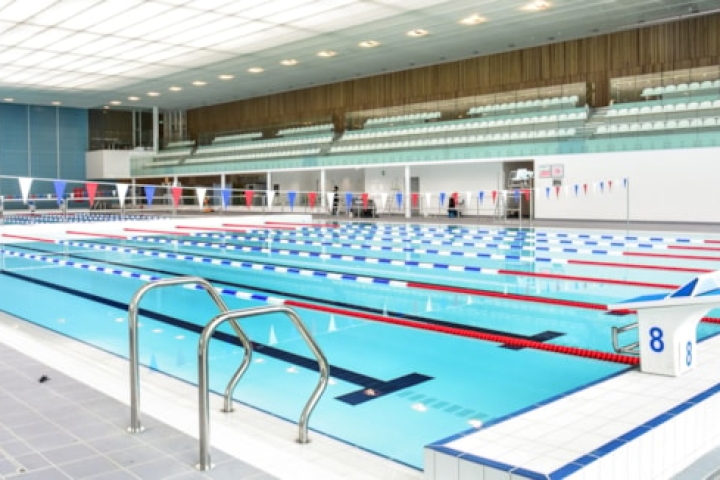
Plans for a new leisure centre and swimming pool in Peterborough have taken a major step forward with the announcement that the Government will contribute £20 million to the project. The funding comes from the £240 million Growth Mission Fund, supporting local economic growth, subject to approval of a full business case. The focus key phrase Peterborough new leisure centre funding reflects both the investment and its importance for the city’s residents.

Council Leader Shabina Qayyum welcomed the announcement, saying: “This significant investment means it is full steam ahead with our plans and we will progress at pace to deliver a new facility as quickly as possible. A new swimming pool will benefit residents of all ages, supporting younger residents to learn how to swim and promoting health and wellbeing for everyone.”

Earlier in October, the council approved plans for an eight-lane, 25-metre main pool and fitness centre as the preferred option, following a feasibility study and consultation with stakeholders including city MPs, the Cambridgeshire and Peterborough Combined Authority, ARU Peterborough, City of Peterborough Swimming Club, Friends of the Lido and Living Sport. Officers are now developing a detailed business plan for submission to the Government, CPCA, and other funders to secure the full £38 million required.

The design phase is underway with Alliance Leisure, specialists in national leisure developments, and a planning application is expected next year. If funding is fully secured, construction could begin in early 2027 with completion anticipated in summer 2028.

Local MPs and community leaders have praised the announcement. MP Andrew Pakes said: “Peterborough is the only one of the top ten fastest growing cities without a public indoor pool. Today’s news from the Chancellor means we can put that right.” Paul Bristow, Mayor of Cambridgeshire and Peterborough, added: “It’s another step towards the change our city centre needs. It’s important to get this pool delivered and keep pushing forward.”

ARU Peterborough Principal Professor Ross Renton highlighted the benefits for students, noting that new courses such as Exercise and Health Science could use the facilities, with opportunities for future programmes including Physiotherapy. Morgan Stevenson, co-chair of the City of Peterborough Swimming Club, said: “This £20 million commitment gets us halfway there… the city deserves a pool it can be proud of.”

The proposed facility will feature poolside and balcony seating, a 20-metre four-lane learner pool with moveable floor, café, softplay, health and wellbeing suite, community and health rooms, as well as a fitness suite with 150 stations and studios. The city centre location was chosen for accessibility and proximity to the Lido and other commercial advantages. Public consultation will follow next year, supported by social media polls to inform early design stages.

Nature Friendly Farming Network slams the budget’s “missed opportunity”

The Autumn Budget 2025 has been criticised for failing to capitalise on the potential of the UK’s farmed landscape, according to the Nature Friendly Farming Network (NFFN). Farming received little attention in Chancellor Rachel Reeves’ speech, despite its crucial role in economic growth, climate resilience, and food security. The focus key phrase missed opportunity to invest in farmed landscapes highlights the concerns raised by the sector.

NFFN warns that the Government has overlooked the countryside and rural economy while setting priorities to boost growth and reduce living costs. Farms, the organisation argues, offer significant economic and environmental benefits if supported with long-term investment. With climate change driving floods, droughts, and heatwaves, coupled with rising food costs, farmers are facing mounting pressures.

Martin Lines, CEO of NFFN, said: “The Budget represents a huge missed opportunity to recognise the enormous value our farmed landscape can deliver for the economy. A well-supported, nature-friendly farming system provides multiple benefits for our society, yet the Government has almost completely overlooked the role of our countryside and rural economy in driving growth and resilience.” He highlighted that investing in nature-friendly farming could save the Government money through renewable energy, flood mitigation, and carbon storage, while also supporting soil health, clean air, and food security.

The NFFN also pointed to systemic barriers for farmers adopting environmentally friendly practices. The Environmental Land Management scheme (ELMs) has limited funding, leaving thousands unable to access support. Meanwhile, inheritance tax pressures and the need for financial resilience are forcing many farmers to focus on succession planning rather than ecological improvements.

Calls from the NFFN include an ambitious, balanced system of payments, stronger backing for smaller farms, and a fair transition to nature-friendly practices. Reforming supply chains and trade deals is also essential to ensure UK farmers are not undercut by imports produced to lower environmental standards. The organisation emphasises that without targeted support, the sector’s ability to deliver both economic growth and climate resilience will remain constrained.

The missed opportunity to invest in farmed landscapes, the NFFN argues, represents not just a failure to protect the countryside, but also a gap in addressing wider social and economic challenges. Long-term investment in farming is presented as central to securing Britain’s food future, supporting rural communities, and combating climate change effectively.

Hemsby Residents Warned Homes at Risk from Unstoppable Coastal Erosion

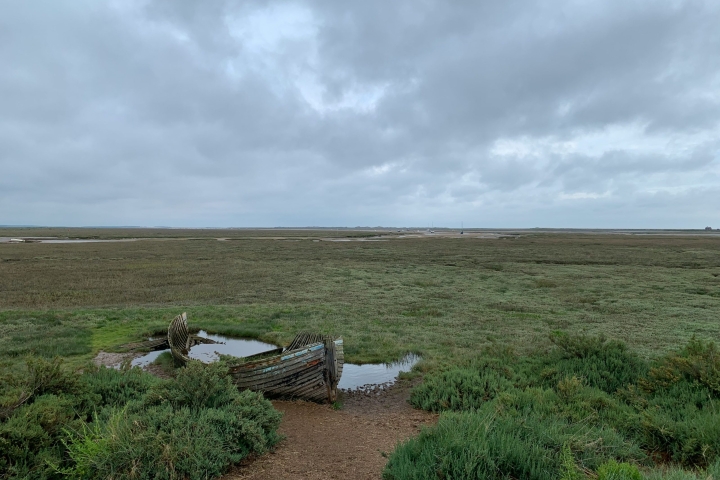
Residents of Hemsby, Norfolk, have been warned that some homes in the village may no longer be sustainable as coastal erosion continues unchecked.

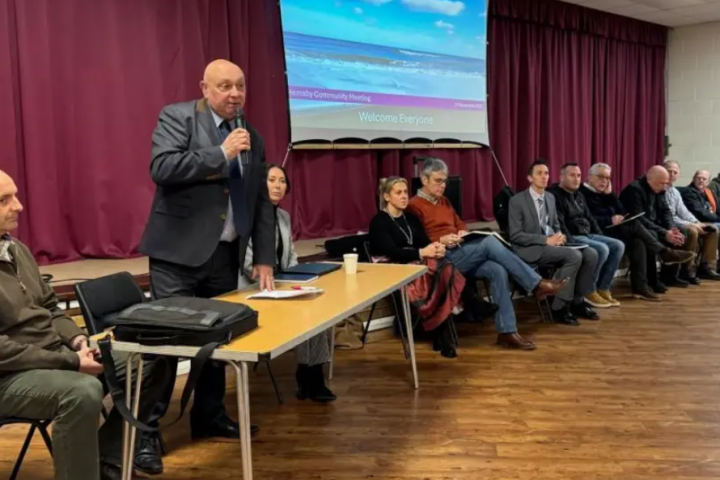
About 200 people attended a meeting at Hemsby Village Hall on Monday to hear experts outline the risks facing the community. Since 2013, more than 25 homes along The Marrams road have been lost to storms and the erosion of sandy cliffs.

Great Yarmouth Borough Council’s coastal manager, Giles Bloomfield, explained that a 25-metre-deep channel in the seabed is moving closer to the shore. This is changing tidal flows, lowering beach levels year-on-year, and eroding cliffs. He told residents: “The difficulty I have is I can’t tell you when that next big storm is going to come, so I have to tell you [that] you have to seriously contemplate your next steps. And I can’t give you any more warning than that.”

Fisherman Paul Lines, who has lived in Hemsby for 25 years, disputed the evidence, claiming that sand pumped to nearby Sea Palling and Bacton to protect beaches and gas terminals created a sandbar off Winterton, which has affected tidal flows near Hemsby. Mr Bloomfield rejected this, saying the beach must move inland to remain stable, inevitably coming into conflict with homes. He warned that moving coastal defences would cost millions and only delay the loss of properties.

Joanne Bowling, 37, who lives on Fakes Road with her husband and three children in a house inherited from her grandfather, voiced concerns about her family’s future. “If our house goes, where will me and my kids go? There’s no way we can afford a house. Will we be made homeless?” she asked. The council advised residents to discuss their individual situations before they become urgent.

Jason Lomasz, whose family owns holiday cottages near Great Yarmouth, was told that concrete blocks placed on the beach could make residents personally liable if they collapsed and caused injury or death. Council chief executive Sheila Oxtoby said the authority would not remove defences but would intervene if they posed a serious risk.

Peter Riches, managing agent for The Crown Estate, which owns the coastline between high and low water marks, reminded residents that any assets placed on the beach must be authorised. “It isn’t a free-for-all. [We] expect that person to take responsibility,” he said.

Frustration ran high at the meeting. One resident suggested closing the beach to protect homes, while another, Jackie, said: “We are more worried about houses that we’ve worked hard for, that we can’t afford to lose. Why can’t we have rocks to protect them? If we can’t walk from Hemsby to Scratby, so what?”

Mr Bloomfield responded that hard defences only protect the immediate area. “If you’re putting a hard point in, the erosion will happen either side. If you put in a hard point, you’re saying ‘I’m alright Jack!'”

Six Men Jailed for £700,000 ATM Fraud Across the UK

Six members of a gang that stole £700,000 from cash machines across the UK have been jailed.

The group, based in Romania but operating out of Luton, carried out the offences between February and December 2024. Investigators said the gang used sophisticated devices to bypass cashpoint security systems, making fraudulent withdrawals at 51 locations in 3,300 separate transactions.

Det Insp Dan Barker, from the Eastern Region Special Operations Unit (ERSOU), said the gang “thought they were above the law both here in the UK and in Romania.” Reports of fraudulent activity prompted a major investigation, which led to the gang being dismantled.

An initial five arrests were made in December 2024, including at Luton Airport as suspects attempted to leave the country. Further raids were carried out in Luton and Norfolk, where chipboards programmed to bypass cashpoint security and a cash machine purchased from China were seized. ERSOU also discovered that the gang was developing new technology for future offences.

In July, international raids were conducted across 18 addresses in Romania’s Bacau region with support from local police, Europol, and Eurojust. Two further arrests were made, and luxury cars, including a Lamborghini and a Porsche, were seized. Officers also raided a fortified property where the gang’s “FTP” moniker was carved into the front gate and printed on the floor of a swimming pool. Those arrested were extradited to the UK.

Sentences for the six jailed men at Luton Crown Court were as follows:

  • Constantin Boghiu, 25, of Kimpton Road, Luton – three years and three months for conspiracy to defraud and conspiracy to launder money.

  • Alex Militaru, 25, of High Street Watton, Thetford – two years and five months for conspiracy to defraud and conspiracy to launder money.

  • Marius Chifan, 33, of St Catherines Avenue, Luton – three years and three months for conspiracy to defraud and conspiracy to launder money.

  • Gabriel Rosu, 33, of Flowers Way, Luton – three and a half years for conspiracy to defraud and conspiracy to launder money.

  • Razvan Verde, 31, of no fixed abode – four years and four months for conspiracy to defraud, conspiracy to launder money, and possession of articles for use in fraud.

  • Cristian Cimpoesu, 28, of no fixed abode – one and a half years for conspiracy to defraud and conspiracy to launder money.

In total, nine men were convicted in connection with the fraud, with three others due to be sentenced in December and January. All face the prospect of deportation after completing their sentences.

Det Insp Barker said: “This has been a long running operation involving teams from across Europe, and it’s positive that these offenders will now be spending spells behind bars.”

Ravensthorpe Primary Installs Pop-Up Pool to Boost Swimming Skills

A temporary “pop-up” swimming pool has been installed at Ravensthorpe Primary School in Peterborough to help pupils develop water confidence and essential life skills before they move on from primary school.

Head teacher Emma Ward described the initiative as “the only solution” to give children the chance to reach the milestone of swimming 25 metres, particularly after the city’s regional pool on Bishop’s Road was decommissioned and demolished earlier this year due to safety concerns over reinforced autoclaved aerated concrete (Raac).

Peterborough City Council has since announced plans for a new eight-lane, 25-metre swimming pool, costing £36 million, which is expected to open by 2028. Meanwhile, Ravensthorpe Primary, part of the Keys Academies Trust, sought an immediate solution for its pupils, as using the Jack Hunt Academy pool on Bradwell Road was becoming impractical due to travel time and financial costs.

The heated temporary pool was installed in the school playground on 3 November and will remain in use until the Christmas break. Ms Ward explained that historic swimming achievement at the school “has never been where we wanted it to be,” and the closure of city pools made access challenging. “We had to get creative and put in a solution quickly and offer intensive swimming for our children,” she said.

Swimming lessons have also had a positive impact on attendance for years five and six. Pupils told BBC Radio Cambridgeshire that having a pool in their playground was “fun but unusual,” while Vicky Gallagher from Fiesta Coaching, who are running the sessions, said the students were learning not just strokes but also crucial water safety skills. “We can see a massive difference in them in the last five weeks or so. It is a life skill and a brilliant low-impact sport to learn and we are passionate about it,” she said.

Funding for a permanent pool could benefit from the £240 million Growth Mission Fund announced earlier this year by Chancellor Rachel Reeves, alongside other opportunities through Sport England, Living Sport, the local combined authority, and the private sector, according to Ian Phillips, head of communities at Peterborough City Council.

Heacham Beach Water Quality Improves Amid New EA Ratings

Bathing water quality at Heacham beach near Hunstanton in Norfolk has improved, according to the latest Environment Agency (EA) results, moving from a longstanding poor rating to sufficient. The site had been classed as poor since 2021, though some critics have questioned whether the upgrade reflects reality.

Other beaches in the region also saw improvements. Wells-next-the-Sea and Caister-on-Sea in Norfolk, and Holland-on-Sea and Jaywick in Essex, were upgraded from good to excellent. Meanwhile, Hunstanton Main and Old beaches, along with Manningtree in Essex, rose from sufficient to good.

“This season has brought encouraging news for local bathing water quality,” said Andrew Raine, EA’s water manager in East Anglia. He highlighted Heacham’s improvement and the four other sites that had achieved excellent ratings.

However, not all changes were positive. Shoeburyness in Essex was downgraded from excellent to good. Mr Raine stressed that work would continue with various organisations to prevent pollution and further improve water quality.

Across England, thirty-two sites were classified as poor in the 2025 figures, an improvement on the 37 that failed to meet minimum standards last year. In East Anglia, more than 97% of bathing spots now meet sufficient or higher standards for bacteria linked to sewage spills, agricultural runoff, and other pollutants.

Despite the progress, critics remain unconvinced. Kirsty Davies, community water quality manager at Surfers Against Sewage, said the classifications were “dangerously out of touch with reality” and argued that regulations are outdated. She pointed out that testing occurs only once a week during a short bathing season and only for a limited number of pollutants.

“How can anyone claim places like Heacham have improved, when locals know it is still plagued by pollution?” Ms Davies said. She called for year-round testing and stronger regulations to protect people who swim, surf, snorkel, and kayak outside the official season.

Heacham’s pollution sources remain disputed. Studies suggest that up to 60% of intestinal enterococci bacteria in The Wash may come from seabirds, which flock to the area in large numbers. The council has indicated that local coastal waters may have naturally high pollution levels.

The government has introduced new bathing water reforms aimed at better reflecting how people use coastal spots. Testing will no longer be restricted to a fixed season, and the definition of a bather will now include water sports enthusiasts such as surfers, paddleboarders, and kayakers. Under the new rules, poor water quality ratings will not automatically lead to a site losing its official status after five consecutive years, with issues assessed individually instead.

Cambridgeshire Waste Plant Issues Cost Council £100,000 Per Week

Cambridgeshire County Council is facing weekly costs of around £100,000 due to ongoing problems at a waste management plant near Waterbeach. The council still has 11 years left on a £36 million-per-year contract with Thalia Waste Management, signed in 2008.

The facility was originally designed to process non-recyclable waste, but operations have halted as the plant requires upgrades to reduce emissions. These improvements would require significant investment from the council, which is currently paying six-figure sums each week to manage waste through alternative routes.

Lucy Nethsingha, the council’s leader, described the contract as one that “has not been good for Cambridgeshire in the long-term.” Thalia Waste Management stated that it continues to support the authority as it reviews its strategy for the site.

The contract was awarded under a private finance initiative (PFI), in which a private company funds the initial construction of a public facility. At the time of signing, the mechanical biological treatment (MBT) facility met all legislative requirements for processing general “black-bag” waste.

However, new conditions imposed by the Environment Agency in August 2022 forced the facility to cease operations. Waste is now being diverted to more expensive disposal methods, increasing costs for the council.

Auditor KPMG noted in a report for the authority’s Audit and Accounts Committee: “The facilities require upgrades to reduce emissions at significant cost which must be met by the council according to the terms of the waste PFI contract. This has resulted in increased costs of circa £100,000 per week to manage the treatment of the waste. Costs continued to rise during 2024-25 due to the facility being non-operational, which required waste to be diverted through more expensive routes.”

Nethsingha, a Liberal Democrat, added: “The waste PFI, as with so many PFI deals, has not been good for Cambridgeshire in the long term. Changes to legislation have meant it has not been operating as originally expected. The council have been working to try to improve the operation and will continue to do so.”

A special meeting of the council’s Strategy, Resources and Performance Committee is planned for early next year to discuss the future of the Waterbeach site. It is expected to be held in closed session due to confidentiality around the project.

Skip to content Skip to content