[directorist_search_result]

Edward Street Car Parks to Close Ahead of Anglia Square Redevelopment

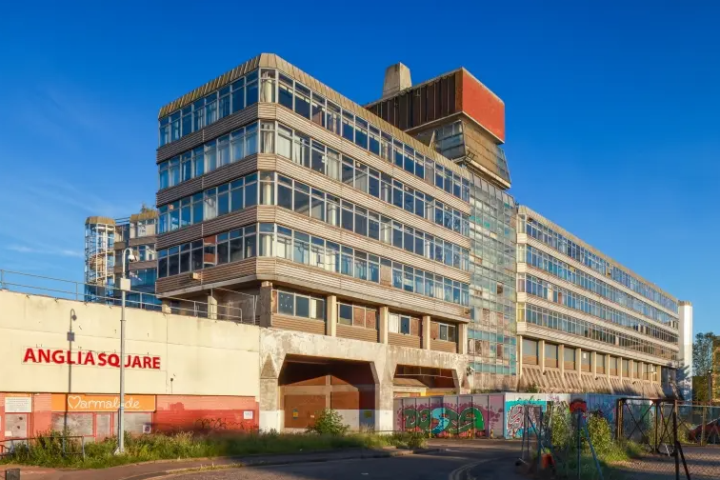
Two car parks along Edward Street will close as part of the ongoing redevelopment of Anglia Square. RCP Parking – Edward Street Petrol is scheduled to close at 23:59 on Tuesday, 13 January, while RCP Parking – Broadside Warehouse will close at 23:59 on Sunday, 1 March.

The closures are required to allow preparatory works, including demolition, remediation, and construction for new homes, to proceed. Councillor Carli Harper, cabinet member for finance and major projects, acknowledged potential disruption for motorists, residents, and businesses, but emphasised the importance of moving the Anglia Square regeneration forward.

Councillor Harper said: “This council has grasped the nettle and will be driving through the regeneration of the Anglia Square which has been long stalled for many years. Along with our partners, Aviva Capital Partners, we will deliver 1,100 homes, which will be at least 50 percent affordable in the first two phases, plus retail, leisure and community spaces which will have a massive economic and social benefit for all the community.”

Drivers are being advised to use alternative parking at Colegate and Monastery Court, with a revamped car park at St Crispin’s expected to open in the coming weeks.

The redevelopment will also bring road closures to parts of Edward Street and Magdalen Street, along with bus diversions next month. The council has confirmed that updates and further information will be provided via its news website and public notices from the Highways Authority.

Councillor Harper highlighted measures to support local traders and maintain community activity during the works, noting: “We do understand demolition and building works will have an impact on local traders and the community, which is why we created the new box park, St Saviours Yard, which is already up and running and will, we believe, make Magdalen Street a really buzzing part of the city.”

Southend Explores New University After Essex Campus Closure

Southend-on-Sea councillors are exploring plans for a new university campus after the University of Essex announced its local site will close this summer.

The Essex university revealed in 2025 that its Southend campus would shut in August, citing “significant financial challenges”. The closure affects around 800 students, with all courses transferring to the main Colchester campus, and could result in 200 full-time job losses over the next two years.

City leaders warn the closure poses a “significant threat to Southend’s economic growth, skills pipeline, cultural life, and long-term ambition to be a thriving coastal city of learning and innovation”.

At an extraordinary council meeting on Monday, members agreed to work with the city’s two MPs to explore the future of higher-education provision in Southend. Options include creating a new Southend University, establishing a partnership or merger with an existing institution, or expanding university-level courses through South Essex College or University Centre South Essex.

Alternative higher-education providers may also be considered for the soon-to-be-vacant campus on Elmer Approach in the city centre.

The meeting was called by Reform UK councillor Dan Nelson, deputy leader of his party’s group, and his motion was unanimously approved following amendments by Labour members. The council only learned of the campus closure 24 hours before it was publicly announced.

Cambridge United Becomes First Club to Sign Up to Football Safety App

Cambridge United have confirmed they are the first football club in the UK to formally commit to the Football Safety App, introducing a new approach to incident reporting linked to the club and its supporters.

The club, known as the U’s, currently compete in EFL League Two and have been based at the Abbey Stadium since 1932. Founded in 1912 as Abbey United before adopting the Cambridge United name in 1951, the club has spent more than a century navigating the English football system. Its decision to adopt the Football Safety App Cambridge United initiative reflects a modern response to challenges that now extend well beyond the pitch.

The Football Safety App has been developed to address the growing problem of abuse associated with football, whether online, inside stadiums or in surrounding public spaces. Backed by former England striker Emile Heskey, the platform gives fans, players and families a fast and anonymous way to report incidents as they happen.

The app will be in use for the first time at Cambridge United’s home match against Shrewsbury Town on Tuesday 27 January. Supporters can download it via the Apple App Store and Google Play Store ahead of the fixture.

Emile Heskey said: “The response to the app since launch has been overwhelming, with huge interest from across the Premier League and EFL but talk alone isn’t enough.

“Cambridge United becoming the first club to formally sign up shows real leadership and a willingness to act. We can’t keep saying abuse is unacceptable and then doing nothing about it. This is how change starts, and I hope others now follow their lead.”

By signing up, Cambridge United and its supporters gain access to a real time reporting system that can be used across stadium seating, concourses, nearby pubs, public transport and online platforms, including social media.

The purpose and design of the platform are outlined clearly on the Football Safety App website, which states:
“Trusted by the Game. Driven by Purpose. Unlike generic reporting tools, our app is purpose–built for football.

“It [The app] has been developed in collaboration with experts, safeguarding professionals, and technology partners to create meaningful change and measurable results.”

Rich Cooksley, Head of Operations at Cambridge United, said: “We are delighted to welcome the Football Safety App to Cambridge United. This pioneering software will allow our supporters to have a simple and efficient way of reporting any incidents connected to our club, and we are confident it will become part and parcel of the supporter experience.”

Sarah King, Safeguarding Officer, said: “As the first club to sign up, we are proud to be leading the way in helping to make football safer and more enjoyable for everyone. Our goal is to ensure the reporting process is simple, accessible and effective, and this app makes that possible.”

Heskey’s involvement stems from his own experiences of abuse during his playing career and his concern that digital platforms have made such behaviour more constant and harder to avoid. As a father of sons in professional academies, he has spoken about the importance of ensuring younger players do not grow up viewing this conduct as normal.

All reports submitted through the app are reviewed by a 24 hour control room. Verified cases are escalated to clubs, online platforms or the police where appropriate. The service applies to all forms of abuse and is free to download.

Users are automatically checked into fixtures and can access rewards linked to engagement. Clubs benefit from anonymised data and insight that highlight patterns, locations and repeat issues connected to incidents reported through the Football Safety App Cambridge United rollout.

Man Dies After Lorry Overturns on A14 in Suffolk Causing 12 Hour Road Closure

A hexagenarian man has died after a lorry overturned on the A14, causing the road to be closed for more than 12 hours.

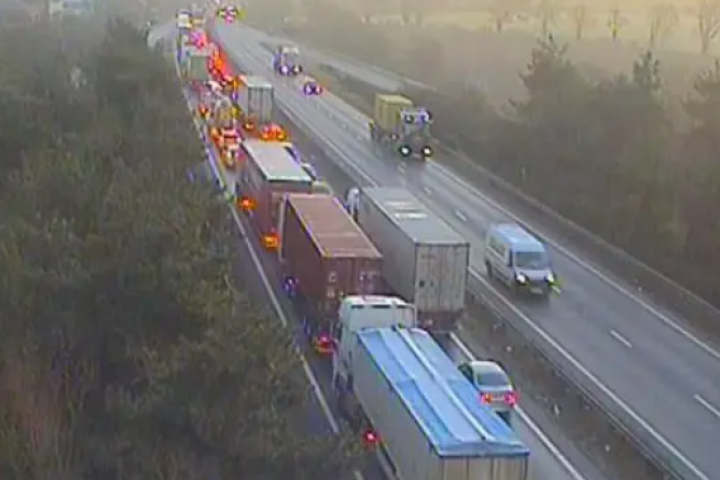
The crash occurred at 19:00 GMT on Tuesday at Trimley St Martin in Suffolk, affecting the stretch between Trimley (junction 59) and the Seven Hills interchange (junction 58). The driver, a man in his 60s, died at the scene, Suffolk Police confirmed.

Both carriageways have since reopened, although one lane of the westbound side is expected to remain closed on Wednesday to allow for repair work. National Highways reported that the lorry had breached the crash barrier and ended up on the opposite carriageway.

Motorists experienced delays of up to 60 minutes after traffic resumed. National Highways said: “Suffolk Police-led collision investigations are now under way. These are essential for establishing the cause of the incident and gathering evidence. This process can take several hours, meaning roads typically remain closed for a significant period after serious incidents.”

Suffolk Police confirmed officers remained at the scene and urged anyone with information or who witnessed the collision to come forward.

Norfolk Fire and Rescue Service rolls out body-worn cameras across the county

Norfolk Fire and Rescue Service has introduced new body-worn camera technology across the county, as part of a wider effort to strengthen public safety and support firefighters and officers at incidents.

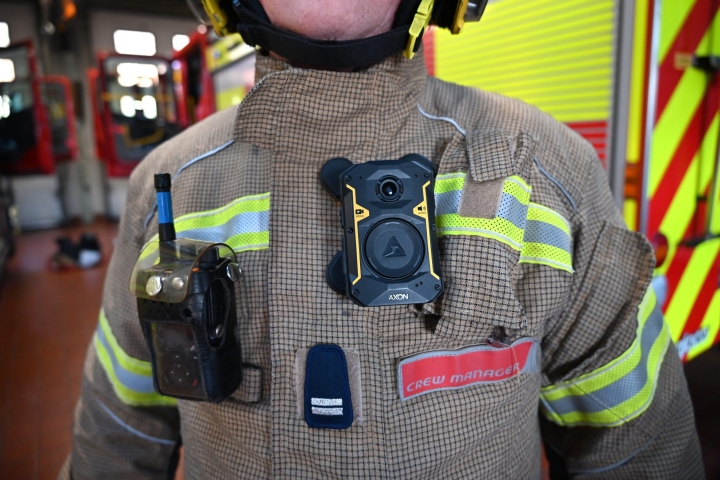
A total of 160 Axon body-worn cameras have now been rolled out to fire stations across Norfolk. Each fire appliance and operational officer has been issued with a device, alongside protection and prevention officers carrying out business safety inspections and home visits. Fire investigation officers, the service’s training school and Trading Standards officers have also been equipped, with ten cameras allocated specifically for Trading Standards investigations.

The Norfolk Fire and Rescue Service body-worn cameras are designed to support decision making during live incidents. The devices offer live streaming, location data and two-way communication, allowing footage to be shared directly with control room staff handling 999 calls while incidents are still unfolding. The service says this provides clearer situational awareness during complex or fast-moving events.

Live streaming footage also plays a role in improving firefighter safety. By identifying hazards earlier and sharing real-time information, the cameras help improve coordination with partner agencies including police and ambulance services, ensuring resources are deployed effectively when lives are at risk.

The rollout was completed in December and early use has already generated close to 100 hours of recorded footage across more than 500 video clips. The footage is being securely stored and will be used for learning, training and investigative purposes.

Scott Norman, Deputy Chief Fire Officer at Norfolk Fire and Rescue Service, said: “We’re keen to utilise technology wherever we can to keep the people of Norfolk safe, and these body-worn cameras are a great demonstration of that.

“The devices will be brought in to support firefighters at all of our stations in Norfolk, helping us with learning at incidents, providing evidence for fire investigations, and enhancing the safety of our staff. Our teams have already said they’re benefiting from the technology, so I’m sure this will be a major boost for how our service operates, and for the communities we serve.”

Norfolk County Council has also welcomed the introduction of the technology. Councillor Margaret Dewsbury, Cabinet Member for Communities and Partnerships, said: “I am really pleased NFRS and Trading Standards have taken this step to use body-worn cameras. This new technology will enhance the fantastic work already undertaken by the services, offering multiple benefits to keep staff and Norfolk’s communities safe.”

The Axon Body 4 cameras represent the latest generation of the company’s body-worn technology. Alongside operational benefits, the Norfolk Fire and Rescue Service body-worn cameras are intended to support transparency, post-incident review and professional development. The footage can be used to improve training and help maintain public confidence in fire and rescue services.

This deployment is Axon’s second-largest body-worn camera rollout with a UK fire and rescue service, following a similar programme in West Yorkshire. Axon currently works with eight UK fire services, while more than half of UK police forces use its body-worn camera technology.

Alex Lowe, Senior Director for UK and Ireland at Axon, said: “We’re delighted that Norfolk Fire and Rescue Service is adopting our cutting-edge body-worn camera technology. Our cameras have been invaluable for first responders, and we’re excited to see them play an important role in ensuring fire personnel safety and enhancing public trust in Norfolk.”

British Dairy and Red Meat Poised for Growth in North America

The Agriculture and Horticulture Development Board (AHDB) has highlighted significant opportunities for UK exporters of high-quality dairy and red meat in North America, as consumer demand for premium, artisanal products continues to grow.

Analysis by AHDB, published in the updated “Prospects for UK Agri-Food Exports: North America”, shows that dairy exports, particularly cheese, are poised to be major beneficiaries. Cheese consumption in the region is projected to increase by an average of 11% by 2034, providing UK producers with a growing market for traditional British varieties such as Cheddar, Stilton, and other territorial cheeses. North American consumers have demonstrated a strong preference for premium products that offer quality and value — characteristics often associated with British dairy.

The report also identifies promising opportunities for UK red meat exporters. While US consumption of sheep meat is expected to grow modestly at around 1% per year over the next decade, projected increases in pork and beef consumption in Mexico, coupled with higher-than-global-average demand in the US and Canada, present additional avenues for trade. Heritage, provenance, and quality are key selling points for British red meat, particularly as consumers increasingly seek products with clear origins and artisanal credentials.

Jonathan Eckley, AHDB International Trade Development Director, said:
“Supporting UK red meat and dairy exports is central to our work for levy payers. Insight into global markets allows us to shape strategies and deliver tangible support, from trade missions to participation in major industry events. North America remains a priority region, and our updated analysis highlights long-term growth potential for premium British products.

“Our beef exporters, for example, now benefit from the Economic Prosperity Deal (EPD) with the US, which allows them to ship up to 13,000 tonnes of beef tariff-free. This, combined with the heritage and provenance of our products, gives British produce a distinct advantage in the market.”

The report coincided with AHDB’s annual British Cheese Night in San Diego, now in its fourth year, which saw 13 UK dairy exporters showcase their produce to 130 key buyers from across the US. The event is part of AHDB’s broader strategy to strengthen the UK’s foothold in the American dairy market and raise awareness of the quality and diversity of British cheese.

Lucy Randolph, AHDB Head of International Trade Development (Dairy), said:
“The US is the UK’s second-largest dairy export market, and our exporters have built a strong reputation there over many years. Events like British Cheese Night in San Diego are critical in showcasing our world-class produce and in helping exporters connect with new and existing buyers. Our updated analysis underlines the growth opportunities in this important market and demonstrates that British cheese and dairy can continue to thrive abroad.”

As British exporters look to capitalise on North American demand, the combination of market insight, trade promotion, and established reputations for quality positions UK dairy and red meat products for long-term success in the region.

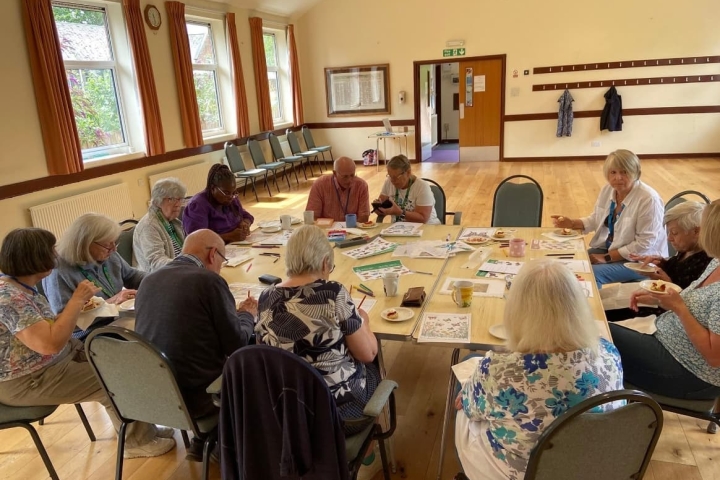
Ipswich Dementia Action Alliance wins £500 Community Chest donation

Ipswich Dementia Action Alliance has received a £500 donation from Taylor Wimpey East Anglia after being named the winner of the housebuilder’s Community Chest competition.

The initiative, which launched in September, was designed to support a local organisation connected to Taylor Wimpey East Anglia’s four developments in and around Ipswich. These include Wolsey Grange in Ipswich, Auster Place and Deben Park at Brightwell Lakes in Martlesham, and Barham Meadows in Barham.

Members of the public were invited to nominate community groups and charities they felt were deserving of support. Following a review of all submissions, Taylor Wimpey East Anglia selected Ipswich Dementia Action Alliance as the recipient of the funding.

Ipswich Dementia Action Alliance works to support people living with dementia, as well as their families and carers, across Ipswich and nearby areas. The organisation delivers weekly therapeutic sessions aimed at people at all stages of cognitive decline or diagnosis. In addition, it provides guidance and information to local employers, organisations and community groups to help create more dementia-friendly environments.

The charity relies on donations and local support to continue its work. The £500 contribution will help cover the cost of trained dementia practitioners, volunteer training and venue hire for its regular Memory Café sessions.

Nicola Bradford, Chair of Trustees at Ipswich Dementia Action Alliance, said the funding would make a direct difference to the charity’s ability to operate. She explained that the Memory Café sessions offer a supportive and welcoming space for people living with dementia, and that donations of this kind are essential to keeping the sessions running across Ipswich.

Taylor Wimpey East Anglia said it had received a strong response to the Community Chest competition, with many organisations put forward for consideration. Olivia Peters, Sales and Marketing Director at Taylor Wimpey East Anglia, said Ipswich Dementia Action Alliance stood out through the level of local support shown in the nominations.

She added that the company was proud to back a group working to improve the lives of people in the local community, and thanked everyone who took part in nominating causes for the competition.

Southend Budget 2026/27 Sets Out Investment in Care, Housing and Regeneration

Southend-on-Sea City Council has published its draft budget proposals for 2026/27, setting out plans that prioritise social care, regeneration, frontline services and long-term investment across the city.

The draft Southend budget 2026/27 focuses on protecting vulnerable residents, maintaining essential services, regenerating key assets and investing in highways, housing and open spaces. Cabinet councillors are due to discuss the proposals at their meeting on 19 January, covering items 7 to 9 on the agenda.

Children’s social care is set to receive the largest single funding increase in the budget, with more than £5m of additional investment to help manage sustained growth in demand. Adult social care will also see a significant uplift, supported in part by the ring-fenced adult social care precept.

Safeguarding services remain a core element of the proposals. All library services and family centres are expected to remain open, alongside plans to invest in additional staff for libraries and museums. The draft budget includes £125k for Planetarium upgrades and £200k to improve footpaths and cycleways in parks.

Housing investment forms a major part of the budget. An additional £12.2m is proposed for the Decent Homes fund, on top of the existing £21.018m programme. The council also plans to allocate £7.7m through the Warmer Homes fund to improve energy efficiency in council housing, £2.6m for disabled adaptations, and £2.364m to upgrade and replace lifts in housing blocks.

The council’s £100m commitment to deliver new council housing for local people is set to continue, alongside essential infrastructure improvements. Measures to keep everyday costs down include freezing all pay and display parking charges, holding pier admission fees at current levels, reducing garden waste collection charges and continuing to freeze or reduce cremation fees.

Infrastructure investment remains a priority, with £30.3m of capital and revenue funding proposed for highways services. This follows record investment for a second consecutive year and is intended to address potholes, support reliable bus services and improve pavement safety. A further £3.8m of capital funding is planned for pier infrastructure, alongside the rollout of electric vehicle charging points across the city.

The draft budget also sets out new savings and increased income proposals totalling £6.125m. An additional £1m is earmarked for parks and open spaces, with further investment planned for the High Street and allotments, subject to viable business cases. Roles linked to outdoor sports coordination and tackling empty homes will continue, with posts prioritised for care leavers or apprenticeships.

Funding is also proposed for civic pride initiatives, including £50k for street scene improvements and additional support for cultural events. This includes City Jam and the return of Southend City Day on 7 March 2026, backed by an increased events budget.

The proposals are funded through a combination of increased government funding, new grants, higher income and a proposed council tax increase of 4.99 percent. This consists of a 2.99 percent rise for general use and 2 percent for adult social care, which will be considered by Cabinet as part of the Southend budget 2026/27 process.

Cllr Daniel Cowan, Leader of the Council, said: “I am proud to be proposing another budget that invests in Southend, our people, local services, infrastructure, cultural assets, and open spaces despite ever-increasing demand for adult and children’s social care. This has been another tough budget-setting process, and we’ve had to carefully balance the priorities and needs of the city, but I am pleased that we have been able to protect our most vulnerable groups while continuing to safeguard services.

“Through our clear vision and Civic Pride priorities, we have presented a budget that not only maintains investment in universal, frontline services, such as Highways and parks, but also supports projects that make Southend a great place to live, visit, and invest in.

“Whilst the financial environment remains challenging, we are being realistic about what we need to spend and taking action to reduce pressures in the long term. To protect services and maintain financial sustainability we regrettably must increase council tax but even with the proposed rise, Southend will remain among the lowest council tax rates in Essex and in the bottom third nationally.

“Residents want to see value for money after many years of council tax rises accompanied by service cuts under previous administrations which is why we are continuing to invest in services to build them back up and freezing or reducing costs of services like parking and garden waste collection.”

The draft Southend budget 2026/27 will be considered by Cabinet on Monday 19 January, the Policy and Resources Scrutiny Committee on Thursday 29 January, and Full Council on Thursday 20 February.


Only Four Days Left to Respond to Great Yarmouth Licensing Consultation

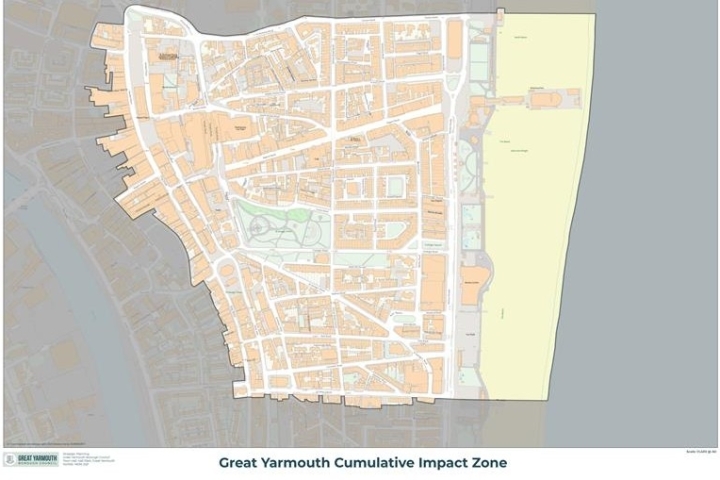
Residents and business owners in Great Yarmouth have just four days left to provide their views on proposed changes to the way licences are granted in the town. The consultation, run by Great Yarmouth Borough Council, closes on Friday, 16 January 2026.

The council is considering the introduction of a Cumulative Impact Assessment (CIA) for the town centre and surrounding areas under the Licensing Act 2003. The assessment would examine whether the number or concentration of licensed premises is contributing to negative effects such as noise, crime, anti-social behaviour, or public nuisance. Its primary aim is to help the council meet legal obligations related to crime prevention and public safety.

Councillor Paul Wells, portfolio holder for Environment and Sustainability, Licensing and Waste, said: ”Our residents have repeatedly made it clear that anti-social behaviour and feeling safe in the town centre are key issues. We and the police have significant concerns about crime, disorder and public nuisance. A CIA would be a strong statement of intent about our approach to considering applications for the granting and variation of licences in the specified area.”

Under the proposed system, applicants for new or varied licences would need to demonstrate that their premises would not contribute to disorder or public nuisance in the designated area. Councillor Wells emphasised the importance of public input before any decisions are made.

”Whether you live, work, run a business or spend time in the town centre, your feedback is valuable in helping us understand how licensing affects the area,” he said. ”Working with data provided by Norfolk Constabulary, public health and the town centre Business Improvement District, there is evidence to suggest that offences and hospital admissions with links to alcohol are an issue within this area. But ahead of any decision, public feedback will help guide our thinking on whether this might be an appropriate course of action for the council to pursue.”

The consultation survey is available online and takes only a few minutes to complete. Residents are encouraged to make their voices heard before the deadline on Friday, 16 January.

Skip to content Skip to content