Portugal’s 2026 FIFA World Cup campaign began with unexpected frustration as Roberto Martinez’s side were held to a 1-1 draw by a determined and fearless DR Congo team in Houston. Entering the tournament as one of the leading contenders for the trophy, Portugal were widely expected to begin Group K with a victory. Instead, they encountered a disciplined opponent that refused to be intimidated by the occasion and produced one of the most memorable results of the opening round of matches.
The match carried plenty of intrigue before kickoff. It marked Portugal’s first appearance of the tournament and another historic milestone in the remarkable international career of Cristiano Ronaldo, who became one of the very few players to feature in six FIFA World Cups. Across the field stood a DR Congo side making its first appearance at football’s biggest tournament in more than five decades. While many observers viewed the Africans as outsiders in a group that also contains Colombia and Uzbekistan, the Leopards arrived with belief and determination, qualities they demonstrated throughout an entertaining contest.
Portugal started the game with the confidence expected from a team packed with elite talent. Martinez selected an attacking lineup featuring experienced stars and technically gifted midfielders capable of controlling possession. The Portuguese immediately established authority over the ball and pushed DR Congo deep into their own half during the opening minutes.
Their bright beginning produced a breakthrough after only six minutes. Portugal worked the ball into a dangerous position on the flank before a precise delivery found João Neves arriving inside the penalty area. The young midfielder timed his run perfectly and guided a header beyond goalkeeper Lionel Mpasi. The early goal appeared to confirm expectations that Portugal would enjoy a comfortable afternoon.
The celebrations among Portuguese supporters reflected the sense that the opening strike could lead to a dominant performance. Neves, playing on one of the biggest stages in world football, showed composure and intelligence with his movement. His finish rewarded Portugal’s positive start and gave Martinez’s men exactly the platform they wanted.
For a period after the goal, Portugal looked capable of extending their advantage. Bruno Fernandes orchestrated attacks from midfield, while Ronaldo remained a constant threat around the penalty area. Pedro Neto’s pace caused problems on the wing, and Portugal’s passing combinations frequently forced DR Congo into defensive action.
Yet despite enjoying lengthy spells of possession, Portugal struggled to transform their territorial dominance into a stream of clear chances. DR Congo gradually settled into the contest and began to show why they had earned their place at the World Cup. Their defensive structure became increasingly organised, with Chancel Mbemba marshalling the back line effectively and his teammates displaying impressive discipline.
Rather than panicking after conceding early, DR Congo embraced their underdog status. They defended aggressively, closed down passing lanes and looked to exploit opportunities on the counterattack whenever Portugal committed players forward. Their growing confidence became evident as the first half progressed.
The African side started to create moments of concern for Portugal. Cedric Bakambu and Yoane Wissa worked tirelessly up front, while the midfield battled relentlessly to disrupt Portugal’s rhythm. Every successful tackle and interception increased the belief among the Congolese players that they could achieve something special.
One of the defining aspects of the match was the resilience shown by DR Congo. Many lesser teams might have collapsed after conceding so early against one of Europe’s strongest nations. Instead, they remained composed and continued to follow their tactical plan. Coach Sébastien Desabre had clearly prepared his side thoroughly, and his players executed those instructions with remarkable commitment.
As halftime approached, Portugal still held their slender lead but appeared less comfortable than they had been during the opening quarter of an hour. The match was beginning to feel more balanced, and DR Congo sensed an opportunity.
That opportunity arrived at a crucial moment. Deep into the latter stages of the first half, DR Congo earned a corner kick. With Portugal expecting to preserve their advantage until the break, the Africans delivered a perfectly executed set piece. Arthur Masuaku produced an inviting cross into the penalty area, where Yoane Wissa rose above the defence and powered a header into the net.
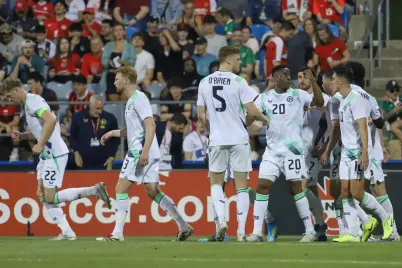
The equaliser sparked emotional celebrations among the DR Congo players, coaching staff and supporters. It was a goal that carried enormous significance. For a nation returning to the World Cup stage after decades away, scoring against one of the tournament favourites represented a historic achievement. The roar that followed the goal reflected not only the importance of the moment in the match but also its significance for Congolese football.
For Portugal, the timing could hardly have been worse. Having controlled much of the first half, they suddenly found themselves heading into the interval level. The momentum had shifted dramatically.
The second half became a test of Portugal’s patience and creativity. Martinez’s side resumed their dominance in possession and attempted to increase the tempo. They circulated the ball quickly, searched for openings and committed more players forward in pursuit of a winning goal.
DR Congo, however, continued to impress. Their defensive organisation remained excellent, and they refused to become overwhelmed by Portugal’s pressure. Every challenge was fiercely contested, and every clearance was greeted enthusiastically by teammates who understood the importance of maintaining concentration.
Ronaldo sought to inspire Portugal with his movement and determination. Even at this stage of his extraordinary career, he remained heavily involved in attacking situations and constantly demanded the ball. Fernandes attempted to unlock the defence with ambitious passes, while Portugal’s wide players looked to stretch the Congolese back line.
Despite those efforts, clear opportunities remained surprisingly scarce. DR Congo’s defenders anticipated danger effectively and protected their penalty area with remarkable discipline. Goalkeeper Mpasi also played a key role, commanding his area confidently and dealing with crosses under pressure.
As the clock ticked down, Martinez introduced fresh attacking options in an effort to break the deadlock. Portugal increased the intensity of their attacks and pushed DR Congo deeper into their own territory. The substitutions were intended to provide new energy and create different problems for the African side.
Yet DR Congo refused to buckle. Their commitment was extraordinary, and every player contributed defensively. The team’s work ethic and organisation frustrated Portugal, who increasingly looked short of ideas despite their superior possession statistics.
There were moments when Portugal appeared close to finding a winner. Dangerous crosses flashed through the penalty area, shots were blocked, and promising moves generated excitement among their supporters. However, the decisive touch never arrived.
At the opposite end, DR Congo continued to pose occasional threats on the counterattack. While their primary focus was protecting the draw, they never abandoned the possibility of snatching a dramatic victory. Their willingness to attack when opportunities arose prevented Portugal from committing every player forward.
As the final whistle approached, tension grew around the stadium. Portugal knew that dropping points in the opening match could complicate their route through Group K. DR Congo understood that they were within touching distance of a result that few had predicted before kickoff.
When the referee finally ended the contest, the reactions from the two camps told the story. Portugal’s players looked disappointed and reflective. They had expected to begin their campaign with three points and instead found themselves settling for one.
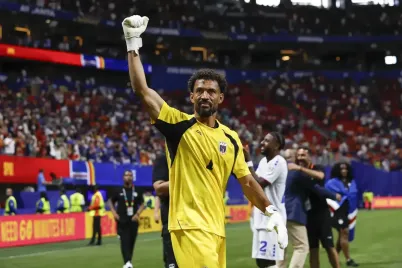
By contrast, the DR Congo squad celebrated enthusiastically. Although it was only a draw, it felt like a significant achievement. Holding one of the tournament favourites on football’s biggest stage represented a statement of intent and reinforced the belief that they can compete with anyone in the group.
Speaking after the match, Portugal manager Roberto Martinez acknowledged his team’s frustration. He felt Portugal had controlled large portions of the game and created enough pressure to secure victory, but he admitted that his players lacked the cutting edge required in crucial moments. Martinez praised the effort and organisation of DR Congo while stressing that Portugal must improve their efficiency in front of goal. He also pointed to the need for greater intensity after taking the lead, suggesting that his side allowed their opponents to gain confidence as the match progressed.
Martinez remained calm about the result despite the disappointment. He emphasised that tournaments are often decided by how teams respond to setbacks and insisted that Portugal remain fully focused on their remaining group fixtures. The coach expressed confidence that the quality within his squad would eventually be reflected in results.
DR Congo manager Sébastien Desabre understandably had a very different perspective. He described the performance as a proud moment for his players and for the nation. Desabre highlighted the courage shown by his team after falling behind early and praised their tactical discipline throughout the match. According to the coach, the players followed the game plan with intelligence and determination, refusing to be intimidated by Portugal’s reputation.
Desabre also spoke warmly about the significance of Wissa’s goal and the emotions surrounding the team’s return to the World Cup. He believed the draw demonstrated the progress DR Congo have made in recent years and said the result should give his players confidence heading into the rest of the tournament.
Several individual performances stood out during the contest. João Neves impressed for Portugal with his goal and energetic display in midfield. Fernandes worked tirelessly in an attempt to create opportunities, while Ronaldo remained influential despite being unable to find the net.
For DR Congo, Wissa’s contribution naturally attracted attention because of his historic equaliser. However, the result was built on a collective effort. Mbemba led by example in defence, Mpasi delivered an assured performance in goal, and the entire team demonstrated tremendous discipline.
From a broader tournament perspective, the draw immediately made Group K more intriguing. Portugal entered the competition expecting to challenge for top spot, but the dropped points increased the importance of their upcoming matches. They can still finish first in the group, yet they now have less margin for error.
For DR Congo, the result could prove invaluable. Earning a point against the strongest-seeded team in the group gives them a realistic chance of advancing to the knockout stage. The confidence gained from this performance may become one of their greatest assets as the tournament progresses.
Ultimately, the match served as another reminder of why the World Cup remains football’s most unpredictable competition. On paper, Portugal possessed greater star power, more experience at the highest level and superior expectations. On the field, however, DR Congo matched them through organisation, determination and belief.
Portugal will view the draw as a missed opportunity, particularly after taking an early lead and controlling much of the possession. DR Congo will see it as a historic and richly deserved result that announced their return to the world stage in memorable fashion.
The Group K opener may not have produced a winner, but it delivered drama, emotion and a compelling story. Portugal left Houston knowing they must improve if they are to fulfil their ambitions of lifting the World Cup trophy. DR Congo departed with renewed confidence, having proven that they belong among football’s elite nations and that they are capable of causing problems for any opponent they face.