[directorist_search_result]

Cambridge leisure centres offer Warm Spaces to support local residents this winter

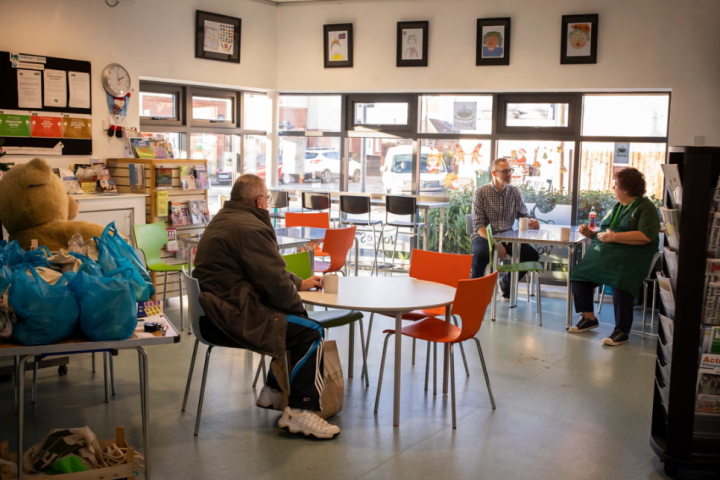
Cambridge leisure centres are offering Warm Spaces this winter to support residents struggling with the rising cost of living or seeking a safe, social environment.

Parkside Pools and Gym and Abbey Leisure Complex have both been designated as official Warm Spaces by GLL, the charitable social enterprise managing Better leisure facilities on behalf of Cambridge City Council. The initiative provides people with a welcoming place to stay warm, access free WiFi, and charge devices during the colder months.

At Parkside Pools and Gym, the café, operated by Cambridge Catering Solutions, will offer free tea and coffee to visitors. Abbey Leisure Complex will provide comfortable seating for anyone needing a warm and safe environment. Both locations will be open from Monday to Friday, 9am to 3pm.

Daryl Emes, GLL partnership manager for Cambridge Better leisure centres, said: “Winter can be a challenging and lonely time for many people, and as a charitable social enterprise rooted in the community, we’re committed to offering support.

“Our teams are ready to welcome anyone who’d like to drop in. It’s a chance to stay warm, meet others, enjoy a hot drink, and feel part of a supportive community.”

The Warm Spaces scheme, launched in 2022, was the first of its kind in the leisure sector. This year, 49 Better leisure centres across England, Wales and Northern Ireland are taking part.

Broadland and South Norfolk launch new strategy to tackle homelessness

Broadland District Council and South Norfolk Council have unveiled a joint Homelessness and Rough Sleeper Strategy for 2025–2030, setting out an ambitious mission: ‘From small acts to big changes: Together we can stop homelessness.’

The strategy provides a coordinated plan to address homelessness and rough sleeping across both districts. It builds on recent successes in supporting vulnerable individuals and families but acknowledges that rising housing costs and broader socio-economic pressures continue to challenge local services. A 2024 specialist data forecast indicated that without intervention, the demand for Temporary Accommodation could rise by more than 300 per cent by 2029, significantly increasing costs for both Councils.

Both councils have a history of addressing homelessness through person-centred services and innovative partnerships. Achievements highlighted in the strategy review include expanding the in-house rough sleeper team, providing additional housing support for care leavers, increasing temporary accommodation for victims of domestic abuse, and delivering new affordable housing. Between 2020 and 2025, Registered Provider partners delivered 679 social housing homes in Broadland and 935 in South Norfolk.

South Norfolk Councillor Graham Minshull said: “The reality of the housing crisis means we must adapt and escalate our efforts. Our new strategy acknowledges that no single action will solve this issue, but a collective, collaborative response, involving our customers and partner organisations can make a definitive change.”

The strategy is built around four priority areas:

Prevention: Intervening early to prevent people from losing their homes.
Accommodation: Providing access to safe, stable, and high-quality temporary and supported housing.
Housing Solutions: Creating diverse, long-term pathways out of homelessness.
Systems and Collaboration: Improving services and strengthening partnerships across sectors.

A key initiative within the plan is a pioneering programme to purchase Council-owned Temporary Accommodation units. This will offer secure, good-quality housing for households in need, reducing reliance on costly nightly-paid Bed & Breakfasts. The programme aims to deliver an additional 70 units in Broadland and 81 units in South Norfolk by March 2026.

The strategy reflects a clear ambition: to work collectively to stop homelessness and ensure that everyone in the districts has a safe and stable place to call home.

Pub and inn portfolio sale launches with five sites across England and Wales

A portfolio of five pubs and inns located across England and Wales has been placed on the open market.

The pub and inn portfolio sale is being handled by leisure property specialists Fleurets on behalf of Peachtree Services Limited. The assets are being offered following 15 years of ownership within the Peachtree portfolio and comprise a group of established hospitality businesses that are currently trading.

Peachtree Services Limited is a property investment, development and asset management company with a diverse portfolio, predominantly focused on London and the South East.

The pub and inn portfolio sale carries a guide price of £2.17m. It offers a mix of attractive net initial yields, experienced tenant operators and strong local trading performance. Buyers have the option to acquire individual properties or purchase the portfolio as a whole, providing flexibility across a broad investor base.

The assets include the Swan Inn in Fressingfield, Suffolk, a 300-year-old village pub in a prominent central position, offered freehold at a guide price of £335,000 with a net initial yield of 10.94 per cent.

Also in Suffolk is the Sibton White Horse in Sibton, a traditional village pub with rooms located near the Suffolk coast. It is being marketed freehold at a guide price of £525,000 and a net initial yield of 10.54 per cent.

In Norfolk, the William IV in Norwich is included in the pub and inn portfolio sale. This family-run business has historic provenance, having operated as a tavern for at least 178 years. The freehold guide price is £545,000 with a net initial yield of 7 per cent.

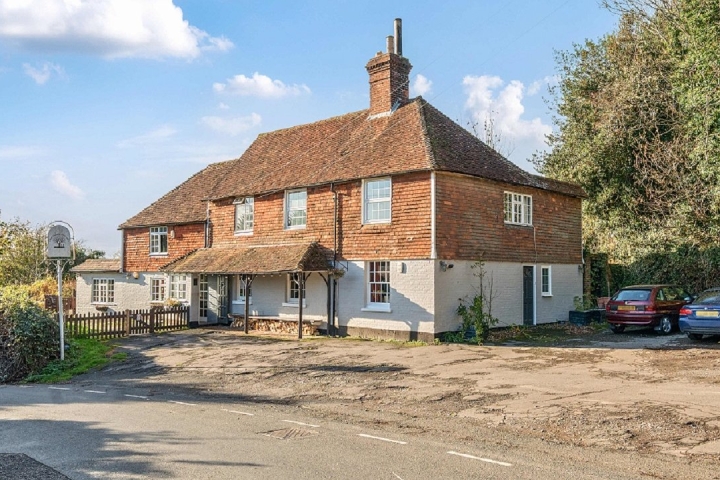
The Cherry Tree Inn in Wadhurst, East Sussex, is a popular country pub close to the High Weald Area of Outstanding Natural Beauty. It is offered freehold at £365,000 with a net initial yield of 8.96 per cent.

Completing the portfolio is the Wynnstay Hotel in Machynlleth, in Southern Snowdonia, Wales. This former coaching inn features 23 en-suite letting bedrooms and is available freehold at offers in excess of £400,000, reflecting a net initial yield of 5.55 per cent.

Nick Groves, managing director of Peachtree Services Ltd, said: “Each of these assets has proven to be a strong performer within our portfolio, benefiting from established operators, resilient local demand, and secure income streams from the existing leases. After 15 years, we feel the timing is right to release these gems to the market, where they offer compelling value for investors seeking stable, income-producing hospitality assets.”

Elysia Wilson-Gunn, divisional director at Fleurets, said: “Tenants will continue to operate as usual, with no impact on the day-to-day running of the pubs. This is an excellent opportunity for investors to secure a distinctive mix of well-loved, well-trading pubs supported by strong tenant businesses, either by a portfolio sale or individual purchasers.”

The pub and inn portfolio sale provides access to a geographically diverse selection of income-producing hospitality properties across multiple established markets.


WTR Group completes Hydromarque acquisition in Peterborough

Swedish WTR Group has completed the acquisition of Peterborough-based Hydromarque Group Ltd, a long-established pump solutions company, with legal support from Birmingham firm Knights.

Hydromarque, founded in 1987, is the exclusive UK distributor for Gorman-Rupp and Cornell pumps. The company has built a strong reputation across East Anglia and beyond for delivering complete pumping solutions for wastewater, clean water, food processing, and other industrial sectors.

A specialist Corporate team at Knights, led by Partner Gareth Burge and supported by Senior Associate Joe Rollins and Partner Amy Osbourn, advised WTR Group throughout the transaction.

CEO of WTR Group, Khashayar Nikavar, said: “We are delighted to welcome Hydromarque to WTR Group. Their deep technical expertise, strong supplier partnerships, and long-standing relationships within the water, food and industrial sectors gives us a great strategic fit.

“Hydromarques’s reputation for quality, reliability and customer support aligns perfectly with our vision, and we look forward to working closely with the team to accelerate our joint growth in the UK and across Northern Europe.

“We are grateful to the Knights team for their ongoing support as we grow WTR Group in the UK.”

Knights partner Gareth Burge added: “We are delighted to continue our relationship with WTR Group and to have advised on this latest deal – WTR’s third in the UK in the last 18 months.

“Our specialist team worked hard to ensure a seamless process and we look forward to seeing how both WTR and Hydromarque achieve their long term aims, and to supporting their future growth.”

Legal advice for WTR Group in Sweden was provided by Baker McKenzie, Stockholm. Financial and tax advice was provided by Mazars, while the sellers of Hydromarque Group Ltd were advised by Freeths.

Road Obstructions on Motorways Reach High Levels Across England & East Anglia in 2025

National Highways has reported a high volume of road obstructions across its network in 2025, with road obstructions on motorways repeatedly emerging as a significant concern. Between 1 January and 30 September, more than 49,000 objects were retrieved from motorways and major A roads. Almost a fifth of these were collected in the east, where 8,357 items were removed during the same period.

The M1 recorded 5,175 incidents, making it the second most affected motorway for road obstructions on motorways. The A1M, listed with 2,043 incidents, ranked seventh. The M40 followed closely with 1,483 cases. These figures highlight the continued strain on traffic officers who regularly manage disruptions caused by deposited or fallen items.

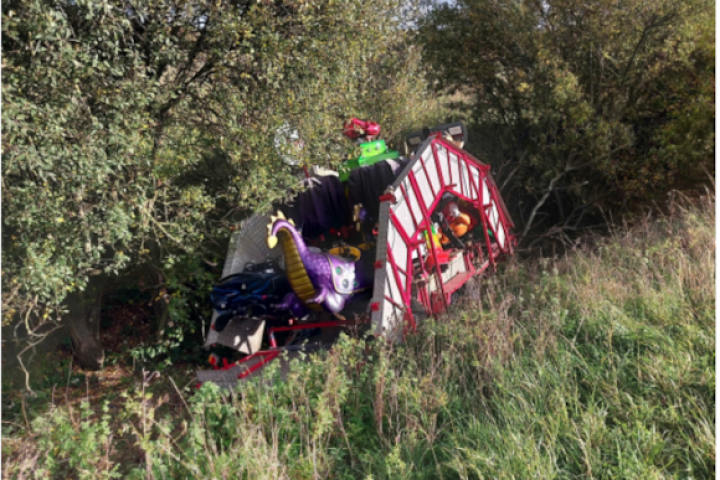
Some recoveries were unusual. A boat was found on the side of the A42 in Leicestershire in July. In November, an officer discovered a fairground ride in a verge along the M180 in Lincolnshire. Encounters of this kind underline the unpredictable nature of road obstructions on motorways.

Drivers are being reminded not to leave items on the roadside and to secure their loads carefully. National Highways staff often need to close lanes or entire carriageways to remove larger objects, resulting in delays and safety concerns for other motorists.

Lisa Scott, National Highways’ regional safety programme manager, said:
“These items left on or alongside our roads can put drivers at risk, while retrieving them often leads to a road or lanes being closed, causing an inconvenience to other motorists.

“Our message is simple – dispose of your unwanted items in the correct way and secure your loads properly before you set out on your journey. Following these measures could prevent a collision and avoids unwelcome objects from blighting the environment along our roadsides.”

Construction materials accounted for 9,685 of the retrieved objects this year. Vehicle parts, tyres and a notable range of miscellaneous items also featured in the totals. Across the country, officers removed 3,575 household or garden items, 3,087 animal fatalities and 797 abandoned vehicles. Items retrieved included a sofa, storage container, Christmas trees and bikes.

In the east region, the most common obstruction type was building or construction material, recorded 1,304 times. Vehicle parts or accessories followed with 1,249 incidents. Tyres accounted for 897 cases. Each category contributed to the broader picture of road obstructions on motorways and major A roads.

Nationally, the M6 topped the list with 5,605 incidents. The M25 recorded 3,626 cases, while the M5 followed with 3,559. These totals reinforce the ongoing need for safe disposal and secure transport of goods across the network.

National Highways continues to provide real time traffic information through its website, radio bulletins, digital signs and mobile apps. More details about road safety campaigns remain available online, reflecting the organisation’s role in maintaining and operating England’s motorways and major A roads.

Tortilla Launches New Winter Menu with Immersive Event

Tortilla, the UK’s favourite Cali-Mexican restaurant brand, has officially launched its new Winter Edit seasonal menu, hosting an immersive event at its London Wall location to introduce the limited-edition dishes.

Designed to offer customers a warming alternative to the classic British winter fare, Tortilla’s winter menu centres on the theme of “cosying up with flavour”, bringing bold Cali-Mex combinations to the colder months. The London launch event showcased the full seasonal range, highlighting the brand’s continued commitment to fresh, premium ingredients and vibrant flavour profiles.

Available nationwide throughout December and January, Tortilla’s Winter Edit features five new limited-time items crafted to deliver heat, richness, and festive warmth:

BBQ Adobo Chicken — a smoky, sweet, slow-cooked protein

  • Thiccc Sauce Chilli Cacao Mayo — creamy, spicy, with a subtle chocolate note

  • Fermented Purple Carrots — adding tang, crunch, and colour to burritos, tacos, and bowls

  • Dulce de Leche & Banana Quesadilla — Tortilla’s indulgent winter dessert, served warm

  • Spiced Apple Margarita — a seasonal version of Tortilla’s classic house cocktail

    To celebrate the winter menu launch, Tortilla partnered with rising London fashion label Ruby Loot, founded by Georgia Buchanan. Together they produced a limited-edition set of slogan T-shirts designed exclusively for the event, giving guests a chance to take home a piece of the collaboration.

    Creative studio Nobody’s Café transformed Tortilla’s London Wall restaurant into a winter-inspired creative space, mixing cosy textures with Cali-Mex energy. The event featured high-impact DJ sets from Clara Rosa and The Flag Twins, who performed from behind the Tortilla counter to bring an upbeat, party atmosphere.

    Alongside food from the new seasonal menu, guests enjoyed interactive elements including a photobooth, chess and card corners, and a pop-up tattoo station created by London studio OnebyOne, offering Tortilla-themed tattoos for attendees.

    The Tortilla Winter Edit is available now in all UK restaurants and for delivery via Tortilla’s online partners.

Abbots Ripton Cable Theft Incident Ends With Suspected Thieves Stranded

Suspected thieves attempting to remove 1,312ft (400m) of underground cable in Abbots Ripton ended up leaving their vehicle behind after it became stuck in a ditch, according to Cambridgeshire Police. The Abbots Ripton cable theft incident drew attention when officers reported that the operation “didn’t go as expected”.

Police seized the stranded van and later confirmed it had been stolen from within the county in October. The discovery linked the Abbots Ripton cable theft incident not only to attempted infrastructure theft but also to an earlier vehicle crime. Officers found rows of black cable lying on top of a muddy field, with equipment scattered nearby.

The force highlighted the wider consequences of such offences. A spokesperson stated, “Cable theft is not just a crime – it can leave homes and businesses without power, phones and internet and cost thousands to repair.” This comment underscored the disruption that the Abbots Ripton cable theft incident could have caused had it succeeded.

Images released by Policing Peterborough showed the cables exposed across wet ground, illustrating how the attempted removal posed risks to property and services. The Abbots Ripton cable theft incident also drew attention to the challenges faced by rural communities where remote areas can become targets.

Police urged the public to remain vigilant. They advised residents to report anything unusual, saying, “If you see anything suspicious – people working on cables late at night, unusual activity near roadside boxes, or vehicles parked in rural areas – please call us immediately on 999 if a crime is in progress, or 101 to report information.” The Abbots Ripton cable theft incident served as a reminder of the importance of timely reporting.

They added that information could also be passed anonymously to Crimestoppers on 0800 555111. With the Abbots Ripton cable theft incident highlighting how quickly such crimes can escalate, the force emphasised community cooperation.

The stranded van, the exposed cable and the response from authorities all contributed to a factual picture of an attempted crime that was disrupted more by chance than by design. The Abbots Ripton cable theft incident remains under investigation as officers examine the circumstances surrounding both the cable and vehicle thefts.

HMP Peterborough Healthcare Improvements Confirmed After Latest Inspection

Healthcare services for inmates have shown measurable progress during the most recent inspection at HMP Peterborough. The Care Quality Commission had previously identified significant shortcomings but has now confirmed that the service is no longer in breach of regulations.

In 2024, inspectors found the service run by Northamptonshire Healthcare NHS Foundation Trust did not have an effective system for monitoring missed medication. They also concluded that parts of the Health and Social Care Act 2008 had not been met. An action plan was requested to address these concerns, forming the baseline for the HMP Peterborough healthcare improvements noted this year.

The latest inspection in November examined whether the service was safe, effective and well led. Inspectors reported clearer processes for identifying and managing risks. They also confirmed that checks for prisoners detoxing from drugs and alcohol were now aligned with national guidance. With funding approved for additional mental health staff, capacity has been strengthened, marking a significant part of the HMP Peterborough healthcare improvements.

HMP Peterborough is a Category B prison run by Sodexo and is the only site in England that accommodates both men and women, though they remain separated. The prison currently houses about 360 women and 944 men, providing important context for the HMP Peterborough healthcare improvements recorded in the latest report.

Plans to expand the pharmacy across other sites were also highlighted, offering advantages such as shared staff resources. The watchdog noted strong cooperation between healthcare staff and prison officers, including a proactive response to a recent rise in overdose emergencies. As part of this work, 336 officers were trained to use Naloxone, a medicine that reverses opioid overdoses, and supplies were placed on every wing. These measures form another key element of the HMP Peterborough healthcare improvements.

The inspection also found that a revised referral and triage system now gives better oversight of patients awaiting a mental health assessment. Records clearly showed when medicines were administered, and follow ups for missed doses had improved. Together, these changes demonstrate substantial progress compared with earlier findings.

HMP Peterborough and Northamptonshire Healthcare NHS Foundation Trust were contacted for comment. Overall, the HMP Peterborough healthcare improvements outlined by inspectors indicate a marked shift from previous concerns, reflecting targeted work to enhance safety and clinical practice within the prison.

Baily Sisters Mosaic Story Rediscovered During Suffolk Church Restoration

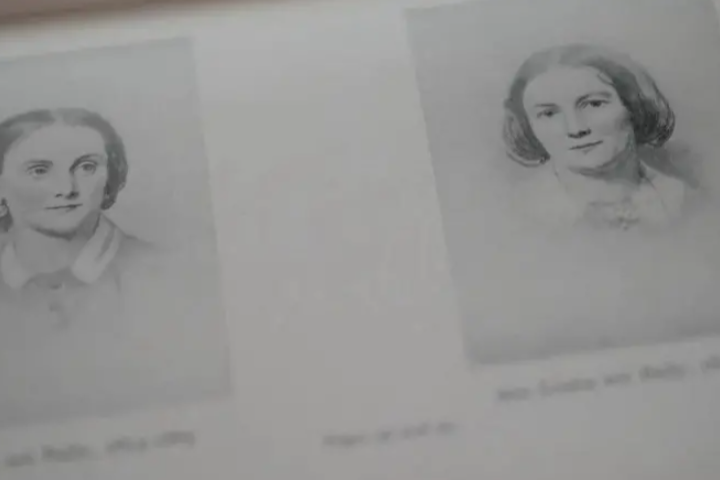
The rediscovery of a remarkable Victorian story has emerged during the restoration of the church’s mosaic, revealing the travels of two sisters whose efforts shaped part of the building’s character. The Baily sisters mosaic story centres on Emily and Anne-Louise Baily, who in 1861 collected marble, granite, porphyry and alabaster during a tour of Europe and the Middle East. These stones later formed the mosaic for the reredos at St Lawrence Church in Great Waldingfield, Suffolk.

Their journey was described by researcher Phil Judd as one “that very few men had even done, let alone for two women, in the sort of clothing they would have had, lack of transportations and the difficulties in getting from A to B”. The Baily sisters mosaic story highlights how unusual their travels were for the period. Their route included challenging terrain, such as the journey to Wadi Halfa on the Egypt and Sudan border, which Mr Judd characterised as remarkable at a time when “very few men had even been able to achieve that”.

The Judds researched the unmarried sisters, who worshipped at the church with their brother, Reverend Waldingfield. They found the sisters came from a wealthy background with relatives who were lawyers, baronets and surgeons. The Baily sisters mosaic story also includes their contributions to local welfare, as they ensured food was supplied in the local school for children, which Mr Judd noted “quite often didn’t happen”.

For some time, there was little information about their lives, but the recent discovery of a book in the US has offered more detail, which the researchers are “still in the process of reading”. Their year-long journey ended with the sisters returning to Suffolk carrying small fragments of stone. These were sent to Rome to be shaved into thin slices to decorate the church’s chancel.

Church warden Christopher Francis said: “The craftsmanship and the work that’s gone into it, it’s quite amazing.” He observed how “these different materials, these different stones, there’s not a grout line between them, they’re all intermeshed”. His comments emphasise the technical skill behind the mosaic and form a key part of the Baily sisters mosaic story.

It was confirmed the women brought back only tiny fragments “about one or two millimeters thick”, which Reverend Faith Marsden said reduced any chance they might be reclaimed by the country of origin. The mosaic began to deteriorate in 2001, but funding from the National Lottery Heritage Fund and the Suffolk Historic Churches Trust has enabled restoration work. Ms Marsden said: “A small Suffolk village that has an incredible story from around the world, not only is the reredos revived, so is its history.”

The restoration process has revealed both the physical fragility of the mosaic and the historical significance of its creation. The Baily sisters mosaic story underscores how a collection of small stones gathered during an ambitious journey became a lasting feature of a village church. Their efforts, rediscovered during conservation work, highlight a connection between Victorian travel and local heritage that continues to resonate.

Skip to content Skip to content