
Digestive complaints are some of the most common things people come to see me about. In clinic I hear it all the time: “Doctor, I feel bloated,” or “My digestion just isn’t what it used to be.”
Sometimes it’s sluggish bowels, sometimes unpredictable trips to the loo, and sometimes just that uncomfortable feeling that the gut isn’t quite happy. There can be lots of reasons for digestive issues, but one big factor I see again and again is the modern diet.
Over the past few decades, our diets have become packed with ultra-processed foods. These are the packaged snacks, ready meals and refined foods that are convenient but often stripped of fibre and nutrients. Fibre is something most of us simply don’t eat enough of, yet it’s one of the most important things for a healthy digestive system. Fibre doesn’t just help food move through the gut, it also feeds the trillions of bacteria living there. These gut microbes play a surprisingly big role in digestion, metabolism, immune health and even inflammation levels in the body.
That’s why I’m always encouraging people to add more fibre-rich whole foods into their diet, and one of my favourite easy additions is flaxseed. These tiny seeds might not look like much, but nutritionally they pack quite a punch. Flaxseeds are rich in both soluble and insoluble fibre. Insoluble fibre helps add bulk to stools and keeps things moving through the digestive tract, while soluble fibre acts as a prebiotic, essentially feeding beneficial bacteria in the gut (Slavin, 2013).
When these bacteria break down fibre, they produce compounds called short-chain fatty acids. These help strengthen the gut lining, support metabolism and may help reduce inflammation in the digestive system. In other words, flaxseed fibre isn’t just about preventing constipation, it’s about supporting the entire gut ecosystem.

There’s also some interesting research looking specifically at flaxseeds and digestive health. One clinical study involving people with chronic constipation found that consuming flaxseed daily significantly improved bowel movement frequency and stool consistency compared with other fibre sources (Tarpila et al., 2005 another study found that the dietary fibres which can be found in flaxseed, helped improve gut microbiota composition and digestive function, highlighting its role as a natural prebiotic (Zheng et al., 2022). And beyond digestion, a large meta-analysis of clinical trials found that flaxseed consumption can reduce markers of inflammation in the body, including flaxseed consumption can be associated with reductions in total and LDL cholesterol in the body(Pan et al., 2009). That’s particularly relevant because chronic low-grade inflammation is increasingly linked with metabolic conditions such as heart disease and type 2 diabetes.
One important tip though: flaxseeds are best eaten milled rather than whole.
What I also like about flaxseeds is that they offer more than just fibre. They’re a natural source of omega-3 fats, particularly alpha-linolenic acid (ALA), as well as lignans, plant compounds with antioxidant properties. Together these nutrients help support heart health, metabolic health and overall wellbeing
One important tip though: flaxseeds are best eaten milled rather than whole. Whole seeds can sometimes pass straight through the digestive system without releasing their nutrients, whereas milled flaxseeds allow the body to absorb the beneficial fibre, omega-3 fats and plant compounds more easily. That’s one of the reasons I like products such as Linwoods Milled Flaxseed. Grinding seeds at home can be a bit of a hassle, and having them ready-milled means they’re incredibly easy to add into everyday meals. Convenience matters, especially when we’re all busy.
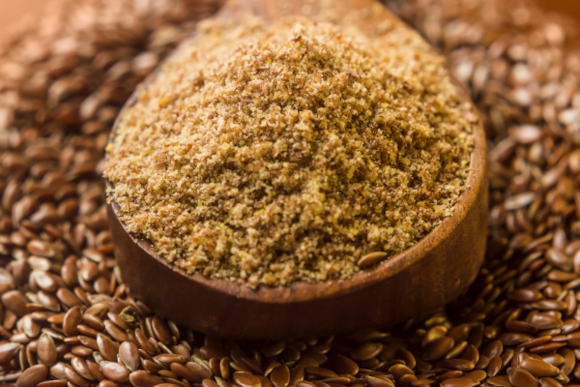
The other thing I love about flaxseeds is how versatile they are. You can sprinkle them onto porridge or cereal in the morning, stir them into yoghurt, blend them into smoothies, or add them to soups and salads. I put them in my smoothie every morning, and it really sets me up for the day. They also work really well in baking, things like pancakes, muffins or homemade bread. Just a tablespoon or two can give your diet a simple fibre boost.
In many ways, flaxseeds are a small but powerful antidote to the ultra-processed foods that dominate modern diets. I’m realistic, most of us aren’t going to eliminate convenience foods completely. Life is busy and sometimes ready meals are the only option. But adding nutrient-dense whole foods back into the diet can make a meaningful difference.
For me, flaxseeds tick all the boxes. They’re affordable, easy to use, incredibly versatile and backed by solid nutritional science. If you’re looking for a simple way to support your digestion, reduce inflammation and give your gut bacteria something to thrive on, adding a spoonful of milled flaxseed to your breakfast each day is a great place to start.