The margin for error has definitively vanished at the 2026 FIFA World Cup. As the tournament continues to narrow down its remaining contenders, the quarter-final stage delivers a deeply compelling European encounter on the North American East Coast. Scheduled for a 22:00 BST kick-off on Saturday, 11 July 2026, England will face tournament surprise package Norway beneath the floodlights of the Miami Stadium in Florida. This high-stakes fixture presents an unequivocally brutal equation: victory secures a prestigious place in the semi-finals against either Argentina or Switzerland, while defeat guarantees an immediate departure from the global stage.
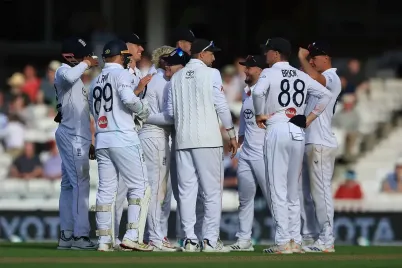
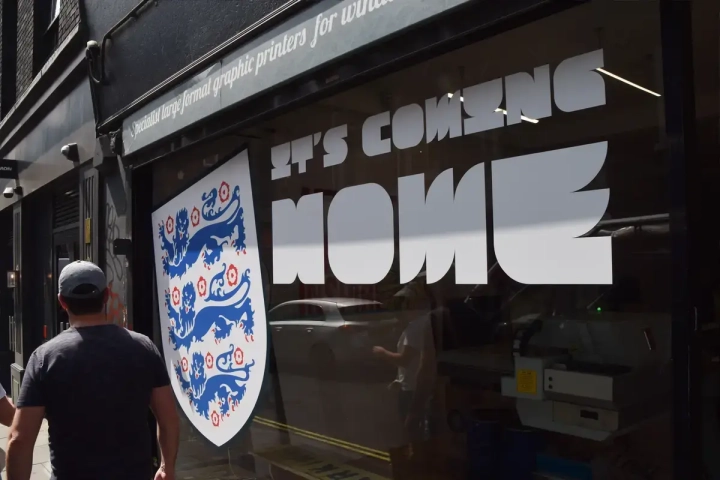
Expectation weighs heavily upon the shoulders of the English squad. Chasing their first major international trophy since 1966, Thomas Tuchel’s men carry the fervent hopes of a football-obsessed nation. Conversely, their Scandinavian opponents operate on an entirely different spectrum of pressure. By navigating to the last eight, the Norwegians have recorded their best-ever performance at a World Cup, stepping into uncharted territory. They arrive in Miami fuelled by the intoxicating momentum of a team writing a new chapter in their nation’s sporting folklore.
England’s Resolute Path
Navigating the expanded format of this World Cup has provided a rigorous test of endurance and tactical adaptability. For the Three Lions, the journey to Florida has been characterised by thrilling attacking displays and moments of necessary, gritty resilience. Their preliminary campaign in Group L established a solid foundation, showcasing their ability to dominate possession. However, it is within the unforgiving arena of knockout football that Tuchel’s squad has truly demonstrated their championship credentials.
Following a professional victory over DR Congo in the Round of 32, the English side faced a severe physical and mental examination in their Round of 16 assignment. Squaring off against a vibrant Mexico outfit, they were dragged into a pulsating classic that will live long in the memory. Demonstrating immense character, they emerged on the right side of a thrilling 3-2 scoreline. That bruising encounter highlighted both their potent offensive firepower and occasional defensive vulnerabilities. The ability to grind out a victory is vital, but the coaching staff will be acutely aware that tightening their defensive structure is essential ahead of this pivotal clash.
Norway’s Historic Breakthrough
While the English route to the quarter-finals was fraught with tension, the Norwegian journey has been a sporting fairytale. Ståle Solbakken has cultivated a squad blending disciplined defensive structure with devastating attacking brilliance. Prior to this tournament, the nation’s most notable World Cup achievements were reaching the Round of 16 in 1938 and 1998. The current generation has shattered that historical ceiling, proving they belong among the absolute elite of international football.
Their progression through the grueling North American schedule has been defined by a fearless mentality. After successfully navigating a challenging group phase and overcoming Ivory Coast in the Round of 32, they were handed a daunting assignment in the Round of 16. Facing five-time world champions Brazil, few observers offered the Scandinavian side a realistic chance of progression. Defying overwhelming odds, they orchestrated the unquestionable shock of the tournament, executing a masterful game plan to secure a famous 2-1 victory. That monumental triumph sent shockwaves across the footballing landscape, serving as a definitive statement of intent. They are actively dictating the tournament’s defining narratives.
The Tactical Battleground
Strategically, Saturday’s encounter promises a fascinating game of chess on the touchlines. The tactical dynamic is relatively straightforward: the Three Lions will inevitably seek to monopolise possession and control the rhythm, while their opponents look to exploit space in rapid, vertical transitions.
Central to the English blueprint is the unparalleled creative output of Jude Bellingham. The Real Madrid midfielder operates as the indispensable heartbeat of the team, seamlessly connecting the defensive unit to the forward line. Supported by the industrious midfield presence of Elliot Anderson, who provides vital ball recovery, the central third of the pitch will be fiercely contested. Further forward, captain Harry Kane remains the ultimate focal point, requiring just a fraction of space within the penalty area to ruthlessly alter the complexion of a match.
To counter this suffocating possession, the Norwegian strategy relies heavily upon structural discipline and world-class attacking quality. Solbakken’s side excels at soaking up sustained waves of pressure, denying space between the lines, and waiting for the opportune moment to strike. When possession is successfully regained, the creative brilliance of Martin Ødegaard takes centre stage. The Arsenal playmaker possesses the extraordinary vision required to launch devastating counter-attacks with a single pass.
The ultimate beneficiary of this creative supply line requires absolutely no introduction. Erling Haaland’s sheer physical presence, explosive pace, and terrifying predatory instincts make him the most dangerous transition player in global football. The defining individual duel of the quarter-final will occur between the Manchester City striker and the English central defensive pairing. The backline cannot afford a solitary lapse in concentration. Neutralising his threat while maintaining a high defensive line will be the primary objective for Tuchel’s defensive unit.
Team News and Physical Conditioning
At this punishing stage of a major international summer tournament, physical endurance and medical recovery become absolutely critical factors. The intense North American heat, particularly the stifling humidity expected in Florida, is taking a severe toll across all remaining camps. Both medical departments have been working tirelessly to ensure optimal readiness following the highly demanding Round of 16 schedule.
Fortunately for the neutral spectator, neither manager has reported any verified, major injury concerns stemming from their recent knockout exertions. Furthermore, both nations appear to have successfully navigated the perilous disciplinary tightrope that often plagues teams during the latter stages of a tournament. No key personnel from either squad are confirmed as suspended for the accumulation of bookings. This comprehensive availability guarantees that the tactical blueprints crafted on the training ground can be executed entirely without enforced compromise, elevating the prospect of a high-quality contest.
Historical Context
While the immediate focus remains firmly fixed upon the pristine turf of the Miami Stadium, the historical context surrounding this fixture adds a rich layer of intrigue. Competitive meetings between these two proud footballing institutions are exceptionally rare on the global stage. In fact, this encounter marks the very first meeting between the two sides since an international friendly back in September 2014. Consequently, there is very little modern historical precedent to analyse, rendering this quarter-final a genuinely fresh confrontation.
The weight of expectation is entirely asymmetrical. For the English public, anything less than a victory against a nation making its debut at this stage of the competition would be universally viewed as a bitter disappointment. The pressure to finally end the prolonged trophy drought is an omnipresent force. For the Norwegians, however, the narrative is overwhelmingly positive regardless of the outcome, having returned their country to the forefront of international football.
The Stage is Set
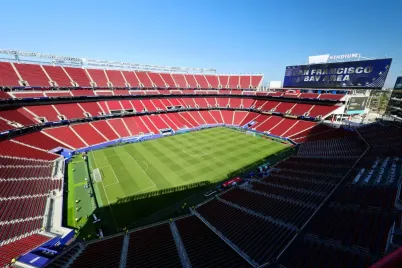
As the 22:00 BST kick-off rapidly approaches, the atmosphere in Miami Gardens is building towards a magnificent crescendo. The spectacular architectural marvel of the stadium provides a fittingly grandiose backdrop for a match of this magnitude. The challenging climatic conditions will undoubtedly test the hydration and energy reserves of every player involved, making in-game management and the strategic utilisation of substitutes critical factors in the second half.
Every single tackle will carry immense weight, every defensive lapse will be heavily magnified, and every fleeting moment of individual brilliance could permanently define a career. One exceptionally talented squad will prolong their North American dream and march confidently into the semi-finals. The other will be left to face the crushing despair of an early departure, forced to pack their bags and head home. The stage is perfectly set, the narratives are deeply intertwined, and the global footballing audience awaits the outcome with bated breath.