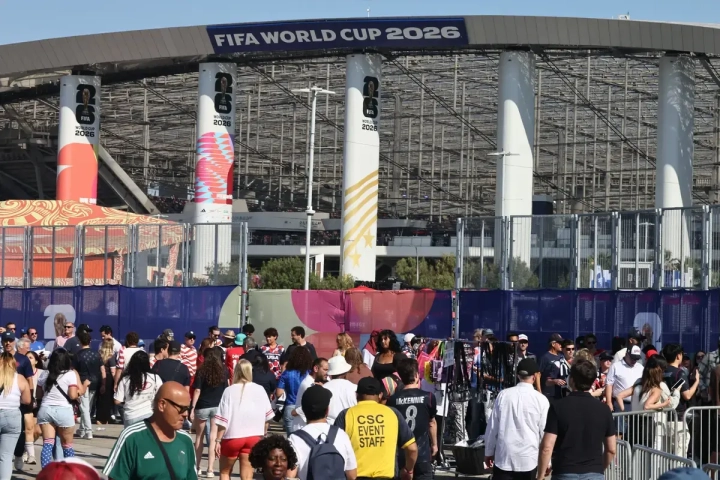
Belgium and Iran meet in one of the most significant fixtures of Group G at the 2026 FIFA World Cup on Sunday, 21 June, with both nations knowing that the outcome could have a major bearing on their hopes of reaching the knockout stage. The match will be played at Los Angeles Stadium in Inglewood, California, with kick-off scheduled for 12pm local time, which corresponds to 8pm BST.
As the expanded 48-team tournament continues across the United States, Canada and Mexico, the second round of group fixtures is beginning to shape the battle for qualification. With only three matches available to each side in the opening phase, every point carries considerable weight, and this encounter arrives at a pivotal moment for two teams who began their campaigns with draws.
Group G has already demonstrated how finely balanced it may prove to be. Belgium opened with a 1-1 draw against Egypt, while Iran shared four goals in a 2-2 draw with New Zealand. Those results left all four teams level on one point after the opening round of fixtures, creating a situation in which victory in Los Angeles would place either side in a strong position ahead of the final group matchday.
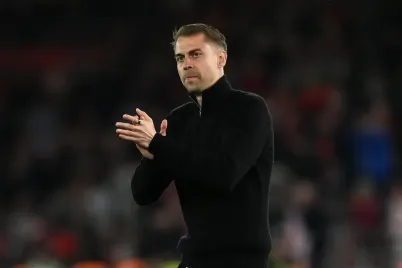
For Belgium, the tournament represents another opportunity to re-establish themselves among the world’s elite after a period of transition. The generation that carried the Red Devils to third place at the 2018 World Cup has gradually evolved, but significant experience remains within the squad. Rudi Garcia, appointed as head coach earlier this year, arrived with the task of guiding Belgium through a new cycle while maintaining the competitive standards expected from one of Europe’s leading football nations.
The opening draw against Egypt generated mixed reactions. Belgium entered the match as favourites but struggled to impose themselves during long periods of the contest. Egypt took the lead in the first half, exposing defensive vulnerabilities that Garcia will be keen to address, before Belgium fought back to secure a point after the interval. While avoiding defeat was important, the performance left the coaching staff seeking improvement before facing Iran.
Attention naturally falls on Kevin De Bruyne whenever Belgium take to the field. The experienced midfielder remains the team’s creative focal point, capable of altering the rhythm of a match through his passing range and vision. His influence becomes particularly important against opponents who are comfortable defending in compact structures, as Iran are expected to do.
Alongside De Bruyne, Belgium continue to rely on the pace and direct running of Jeremy Doku. The winger’s ability to attack defenders in one-on-one situations offers a valuable route to breaking down organised defensive systems. Romelu Lukaku also remains a major figure within the squad. Although he did not start against Egypt, his introduction provided a greater attacking presence and helped Belgium find a route back into the contest.
At the opposite end of the pitch, Thibaut Courtois continues to provide reassurance through his experience and shot-stopping quality. The goalkeeper was required to make important interventions during the draw with Egypt and remains one of the most accomplished players in his position on the international stage.
Garcia’s immediate challenge is to improve Belgium’s efficiency in possession while ensuring the team remains protected against counter-attacks. The opening match highlighted moments when transitions were not managed effectively, something Iran may attempt to exploit. Greater control in midfield and quicker circulation of the ball are likely to be priorities heading into Sunday’s contest.
No confirmed suspension concerns have been reported for Belgium ahead of the fixture. Likewise, there are no verified injury absences that significantly alter the selection picture entering the match. That leaves Garcia with the opportunity to choose from the core of the squad that arrived in North America carrying expectations of a strong tournament.
Across the halfway line will stand an Iranian side seeking to continue a period of remarkable consistency on the international stage. Iran have become regular participants at the World Cup and remain one of Asia’s most accomplished football nations. Their qualification campaign underlined their quality, and they arrived at the tournament with ambitions extending beyond simply making up the numbers.
Amir Ghalenoei remains in charge and has overseen a squad that combines experience with tactical discipline. His team has developed a reputation for organisation, resilience and efficiency in key moments, attributes that have repeatedly enabled Iran to compete effectively against higher-ranked opponents.
The 2-2 draw with New Zealand offered evidence of both Iran’s strengths and weaknesses. Going forward, the team demonstrated attacking threat and produced moments of quality that caused problems for the Oceania representatives. Defensively, however, there were occasions when they failed to maintain control, ultimately settling for a point rather than claiming all three.
Leadership within the squad continues to come from captain Mehdi Taremi. The forward remains one of Asia’s most recognised footballers and carries a significant share of Iran’s attacking responsibility. His movement inside the penalty area and ability to convert chances make him a constant threat against any opponent.
Support arrives from a group of players who have become familiar figures in Iranian football. Mohammad Mohebi offers pace and energy in advanced areas, while Ramin Rezaeian provides experience and attacking contributions from deeper positions. Together they form part of a side that has often shown it can maximise opportunities even when enjoying less possession than its opponents.
One of the major talking points surrounding Iran’s participation has centred on logistical challenges away from the pitch. Travel arrangements and tournament-related restrictions have attracted attention during the opening week of the competition. Despite those difficulties, the players have repeatedly stressed their determination to focus on football and remain fully committed to the task of progressing from the group.
Tactically, Iran are unlikely to abandon the disciplined approach that has served them well. Defensive organisation remains central to their game plan, with compact lines designed to limit space between midfield and defence. When possession is regained, quick transitions and direct attacks often follow. That strategy may prove particularly relevant against a Belgian side expected to dominate the ball.
The midfield battle could therefore become one of the defining features of the match. Belgium will seek to dictate possession and create openings through sustained pressure, while Iran will attempt to disrupt that rhythm and launch attacks when opportunities emerge. The balance between patience and urgency may determine which team gains the upper hand.
Interesting historical context adds another layer to the occasion. Despite both nations possessing long international football traditions, this match is set to mark the first senior men’s international meeting between Belgium and Iran. The absence of previous encounters creates an element of unpredictability, with neither side able to draw upon direct competitive experience against the other.
Belgium enter the fixture carrying a rich World Cup history that includes a third-place finish in 2018 and multiple appearances in the latter stages of the tournament. Iran, meanwhile, continue their pursuit of a breakthrough World Cup campaign. Although Team Melli have established themselves as consistent qualifiers, progression deep into the competition remains an ambition yet to be realised.
The significance of Sunday’s meeting extends beyond the immediate standings. In a group where margins appear exceptionally narrow, momentum could become a decisive factor. A victory would not only improve qualification prospects but also provide a substantial psychological boost ahead of the final round of matches.
Another compelling storyline concerns the contrasting football cultures represented on the field. Belgium’s emphasis on technical quality, possession and attacking creativity differs markedly from Iran’s disciplined structure and collective organisation. Such stylistic contrasts often produce fascinating contests at major tournaments, where adaptability can be every bit as important as individual talent.
From Belgium’s perspective, a stronger attacking display is likely to be required. While the squad possesses significant quality in advanced positions, the opening match illustrated that creating clear chances against determined opposition cannot be taken for granted. More fluid movement around the penalty area and greater penetration from wide positions could be key themes.
Iran, meanwhile, will believe that maintaining defensive concentration offers a pathway towards a positive result. Their ability to remain organised under pressure has repeatedly frustrated stronger opponents in previous tournaments. Should they manage to limit space for Belgium’s creative players, opportunities to strike on the counter-attack may emerge.
The atmosphere in Los Angeles is expected to provide an appropriate backdrop for a match carrying such importance. World Cup fixtures in the expanded format have already delivered drama and unpredictability, and Group G appears well positioned to continue that trend. Supporters from both nations will arrive knowing that the stakes are rising with every passing day.
As the tournament moves deeper into its opening phase, attention increasingly turns towards scenarios for qualification and progression. Yet for both Belgium and Iran, the immediate focus remains straightforward. Delivering a performance capable of securing three valuable points is the priority. Anything less could leave significant work still to be done when the final group fixtures arrive.
With established stars, contrasting tactical approaches and meaningful consequences attached to the result, all the ingredients are in place for a compelling World Cup encounter. Belgium will attempt to justify their status among the tournament’s stronger European contenders, while Iran seek another statement performance on football’s biggest stage. By the time the final whistle sounds in Los Angeles, the shape of Group G may look very different indeed.