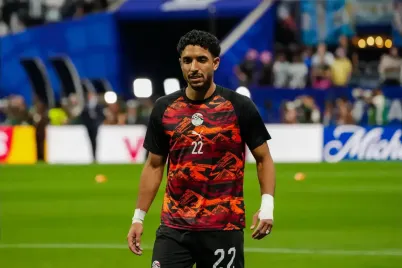

Egypt secured their place in the FIFA World Cup knockout stage after a tense and dramatic 1-1 draw with Iran in Seattle, a result that ultimately proved enough for the Pharaohs to progress from Group G after an evening filled with pressure, controversy, missed opportunities and late heartbreak. The match delivered exactly the kind of tension expected from a final group-stage encounter, with qualification implications hanging over every challenge, pass and shot until the final whistle. Egypt entered the contest knowing that avoiding defeat would place them in a strong position to advance, while Iran required a positive result to keep their hopes alive. By the end of a gripping ninety minutes and a nervy spell of stoppage time, Egypt were celebrating progression while Iran were left reflecting on what might have been.
The atmosphere inside Seattle’s stadium reflected the significance of the occasion. Supporters from both nations created a vibrant backdrop as the teams emerged for one of the most important matches either side had played in recent years. Egypt arrived with confidence following their earlier victory over New Zealand and their draw with Belgium, while Iran remained unbeaten but knew that two previous draws had left little room for error. The stakes were clear from the opening whistle and the players responded with intensity from the outset.
Egypt made the ideal start. Barely five minutes had been played when Mahmoud Saber found himself in the right place at the right time to give his side the lead. The midfielder reacted quickest inside the penalty area and finished clinically to spark celebrations among the Egyptian supporters. The early breakthrough settled nerves among the North Africans and briefly appeared to place them firmly in control of both the match and their qualification destiny. Iran suddenly faced the prospect of elimination and needed an immediate response.
That response almost arrived moments later when Iran were awarded a penalty. The decision gave Amir Ghalenoei’s side a golden opportunity to restore parity, and for a few seconds it seemed inevitable that the game would be level. However, Egypt goalkeeper Mostafa Shobeir produced one of the key moments of the contest. Diving brilliantly, he denied the Iranian effort and preserved his team’s advantage. The save was celebrated almost like a goal by Egyptian players and supporters alike, with teammates racing to congratulate their goalkeeper. It was a moment that would prove hugely significant by the end of the evening.
Yet Iran refused to be discouraged. Instead of allowing the missed penalty to damage their confidence, they continued to attack with purpose and determination. Their reward arrived in the 14th minute when Ramin Rezaeian found the net. After sustained pressure around the Egyptian penalty area, the experienced defender reacted sharply and squeezed a finish home from a difficult angle. Suddenly the match was level again, and the momentum had shifted. Iranian players celebrated passionately, recognising how important the goal could become in the wider context of qualification.
The equaliser transformed the contest into a fascinating tactical battle. Egypt continued to enjoy periods of possession and looked dangerous whenever Mohamed Salah drifted into attacking positions. Iran, meanwhile, displayed impressive organisation and resilience. Their defensive structure frustrated Egypt for long spells, while quick transitions offered a threat whenever opportunities emerged on the counterattack. Neither side was willing to commit too many players forward, aware that a single mistake could end their World Cup dream.
As the first half progressed, chances arrived at both ends. Egypt attempted to exploit space behind the Iranian defence through Salah, Trezeguet and Emam Ashour, while Iran sought to create openings through patient build-up play and dangerous deliveries into the penalty area. The game became increasingly physical, with challenges flying in and tensions rising as players recognised the significance of every duel. By half-time the score remained 1-1, a reflection of a contest that had been fiercely competitive and finely balanced throughout the opening forty-five minutes.
The second half brought a different rhythm. With qualification scenarios constantly changing due to developments elsewhere in Group G, both benches remained in close contact with information from the other match involving Belgium and New Zealand. Egypt understood that a draw would likely be enough to progress, but they were unwilling to simply defend for the remainder of the evening. Iran, meanwhile, knew that one decisive moment could completely transform their fortunes.
Chances became harder to create as fatigue began to influence the quality of play. Defenders on both sides delivered outstanding performances under pressure. Egypt’s back line worked tirelessly to limit Iranian opportunities, while Iran’s defenders repeatedly stepped in to block shots and intercept dangerous passes. Goalkeepers also played important roles. Shobeir remained composed whenever called upon, while Alireza Beiranvand produced several excellent interventions to keep Egypt at bay. One particularly impressive save denied Trezeguet after the Egyptian attacker appeared destined to score.
The match entered its final twenty minutes with tension increasing inside the stadium. Every attack felt significant. Every clearance was greeted with relief. Egypt introduced fresh legs from the bench in an attempt to maintain energy levels, while Iran pushed additional players forward whenever opportunities arose. The contest remained evenly poised and increasingly emotional.
One concern for Egypt arrived when Mohamed Salah appeared uncomfortable during the latter stages. The Liverpool forward had worked tirelessly throughout the evening and eventually required treatment before leaving the field. Images of him with an ice pack generated concern among Egyptian supporters, although those fears were later eased by comments suggesting the issue was not serious. Even so, seeing their captain depart added another layer of anxiety during a tense finish.
Iran sensed an opportunity and threw everything forward during the closing stages. They came agonisingly close when Saeid Ezatolahi struck the crossbar, leaving Egyptian supporters momentarily frozen as the ball crashed against the woodwork. It was a warning sign of what was still to come. Egypt were increasingly pinned back, defending deeper and relying on determination, organisation and resilience to protect a result that would send them into the knockout rounds.
Then came the defining moment of the night. Deep into stoppage time, Iran believed they had found the goal that would change everything. Shoja Khalilzadeh rose highest and sent the ball into the net, triggering wild celebrations among Iranian players and supporters. For a few extraordinary moments, it appeared that Iran had secured a dramatic victory and potentially booked their place in the next stage. The emotional scenes were intense, with substitutes and coaching staff joining the celebrations on the touchline.
However, the celebrations were short-lived. Following a VAR review, the goal was ruled out for offside. The decision produced a dramatic swing of emotions. Iranian players were left devastated while Egypt’s players celebrated almost as enthusiastically as if they had scored themselves. The technology confirmed the narrow infringement, and the score remained level. It was one of the most dramatic moments of the tournament so far and ultimately preserved Egypt’s qualification hopes.
When the final whistle arrived moments later, relief swept across the Egyptian camp. Players embraced on the pitch while supporters celebrated a historic achievement. The draw secured enough points for Egypt to advance beyond the group stage and continue their World Cup journey. For a nation that has often struggled to make an impact on football’s biggest stage, reaching the knockout rounds represented a significant milestone and a reward for a disciplined and resilient campaign.
The post-match reaction reflected the contrasting emotions of the two camps. Egypt manager Hossam Hassan praised the character shown by his players during a difficult evening. He highlighted their ability to recover after Iran’s equaliser and commended the defensive discipline displayed during the closing stages. The coach acknowledged that his side had suffered at times but insisted that tournament football is often about finding ways to survive difficult moments. He also paid tribute to goalkeeper Mostafa Shobeir, whose penalty save proved crucial in securing qualification. Hassan emphasised that progressing to the knockout phase represented a proud moment for Egyptian football and stated that his players deserved enormous credit for their commitment throughout the group stage.
Iran manager Amir Ghalenoei experienced a very different emotional journey after the match. The veteran coach spoke of frustration and disappointment, particularly regarding the disallowed goal that denied his side a memorable victory. He felt his players had shown tremendous spirit and believed they had done enough to win the match. While careful not to criticise the officials directly, he admitted that the fine margins of elite football had gone against his team. Ghalenoei praised the effort of his players, highlighting their resilience after the missed penalty and their determination throughout the evening. He also referenced the challenges his squad had faced during the tournament, insisting that they had remained united despite difficult circumstances. Although disappointed, he expressed pride in the way Iran had competed against strong opposition throughout the group stage.
From a football perspective, the match encapsulated everything that makes the World Cup special. There were early goals, a saved penalty, tactical battles, outstanding goalkeeping, emotional swings, VAR drama and qualification implications stretching beyond the ninety minutes. Neither side dominated completely, yet both demonstrated qualities worthy of respect. Egypt displayed organisation, discipline and determination, while Iran showed courage, persistence and attacking ambition.
For Egypt, the result ensures their attention now turns to the knockout rounds, where confidence will be high following an unbeaten finish to the group stage. The combination of experienced leaders and emerging talent has given supporters genuine hope that the team can continue its progress. Players such as Salah remain central figures, but the contributions of individuals like Mahmoud Saber and Mostafa Shobeir underlined the growing depth within the squad.
Iran, meanwhile, were left to reflect on a night of near misses. The missed penalty, the chances that struck the woodwork and the stoppage-time goal ruled out by VAR will remain painful memories. Yet their performances throughout the group phase showed that they are capable of competing with strong opponents on the world stage. Regardless of what followed elsewhere in the tournament, they departed the match with considerable credit for the manner in which they fought until the very end.
Ultimately, this was a contest decided not by superiority but by fine margins. Egypt seized an early opportunity through Mahmoud Saber, survived a missed penalty, absorbed sustained pressure and held firm when it mattered most. Iran fought back admirably through Ramin Rezaeian’s equaliser and thought they had produced a famous winner only for technology to intervene. The final score of 1-1 will be remembered not simply as a draw but as one of the most dramatic group-stage matches of the tournament, a night when Egypt secured a place in the next round and Iran were left wondering how differently events might have unfolded had just one of those decisive moments gone their way.