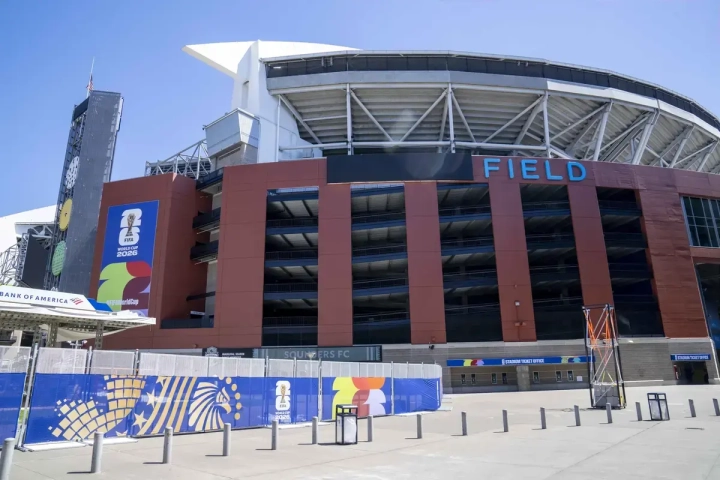
The final round of matches in FIFA World Cup 2026 Group B brings a fixture loaded with significance as Bosnia and Herzegovina take on Qatar in Seattle. With both nations still harbouring hopes of extending their stay at the tournament, the meeting has emerged as one of the most important contests of their respective campaigns. The match is scheduled for Wednesday, 24 June 2026, at Lumen Field, Seattle, with kick-off set for 12:00pm local time (8:00pm BST).
As the group stage reaches its conclusion, neither side can afford to dwell on earlier opportunities missed. A promising start to the competition has been followed by difficult second outings for both teams, leaving the table finely balanced but the margin for error almost non-existent. With qualification scenarios hinging on the final set of results, the encounter carries considerable weight not only for Bosnia and Herzegovina and Qatar but also for the wider shape of Group B.
Attention naturally falls first on Bosnia and Herzegovina, who arrived at the tournament hoping to make a significant impression after reaching the finals under head coach Sergej Barbarez. Their campaign opened encouragingly with a 1-1 draw against co-hosts Canada, a result that demonstrated resilience and organisation against a team backed by home support. For long periods of that match, Bosnia and Herzegovina showed the discipline and structure that have become hallmarks of Barbarez’s tenure.
The second fixture against Switzerland proved considerably more painful. For more than an hour the contest remained tightly contested, with Bosnia and Herzegovina frustrating their opponents and keeping themselves firmly in the game. However, a difficult closing period transformed the scoreline into a 4-1 defeat. The result damaged both confidence and goal difference, while also increasing the pressure heading into the final group match.
Despite the setback, there have been encouraging elements for Barbarez to build upon. Bosnia and Herzegovina have shown throughout recent months that they can compete effectively when defensive organisation is maintained and transitions are executed quickly. Their ability to remain compact without possession has enabled them to stay in matches against technically strong opponents, while moments of attacking quality have ensured they remain a threat.
Among the players to have attracted attention during the tournament is Jovo Lukic, whose goal against Canada provided an early highlight of Bosnia and Herzegovina’s campaign. Ermin Mahmic also made an impact from the bench against Switzerland by scoring a late consolation goal. In midfield and attack, the side continues to rely on intelligent movement and efficient use of possession rather than overwhelming opponents through sustained dominance of the ball.
A significant challenge for Bosnia and Herzegovina comes in defence, where Tarik Muharemovic is unavailable after receiving a red card during the defeat to Switzerland. Losing a defender at such a critical stage of the competition is far from ideal, particularly given the importance of maintaining stability against a Qatar side expected to attack aggressively. The suspension forces Barbarez into at least one alteration and adds another layer of complexity to his preparations.
Tactically, Bosnia and Herzegovina are likely to seek a balance between caution and ambition. The circumstances of the group mean simply sitting back carries obvious risks, yet overcommitting could expose vulnerabilities that Switzerland exploited so effectively. Much may depend on how efficiently the team can progress the ball through midfield and whether they can convert promising situations into goals when opportunities arise.
Across the pitch stands a Qatar side confronting a similarly urgent situation. The 2022 World Cup hosts entered the tournament determined to prove they could compete successfully on football’s biggest stage away from home soil. Their opening performance suggested genuine promise. A dramatic late equaliser secured a 1-1 draw against Switzerland and offered evidence that the team possessed both character and attacking threat.
Momentum disappeared abruptly in the second group match. Facing Canada in Vancouver, Qatar endured a difficult evening that resulted in a heavy 6-0 defeat. The scoreline represented one of the tournament’s most severe setbacks and left the Gulf nation facing a demanding task entering the final round. Goal difference suffered enormously, and confidence inevitably took a blow.
Nevertheless, head coach Julen Lopetegui has insisted that the challenge remains clear rather than impossible. Qatar still have an opportunity to influence their fate and potentially secure progression if results elsewhere prove favourable. That prospect alone should guarantee a committed and determined performance in Seattle.
Several factors contributed to Qatar’s collapse against Canada. Defensive issues became increasingly apparent as the match progressed, while the team struggled to cope once reduced in numbers. Discipline will therefore be a major talking point ahead of this fixture. Homam Ahmed was sent off during the defeat and will miss the encounter through suspension. Assim Madibo is also suspended following a red card received during the tournament, further reducing Lopetegui’s options.
Those absences place additional responsibility on the available members of the squad. Qatar’s strength in recent years has often been rooted in collective understanding and technical cohesion. When operating effectively, the team can move possession quickly, create overloads in advanced areas and stretch opponents through intelligent movement. Re-establishing those qualities will be essential if they are to recover from the disappointment of their previous outing.
Unlike some international sides that rely heavily on physical superiority, Qatar frequently seek to control tempo through passing combinations and positional flexibility. Their most effective performances have often come when they are able to dictate rhythm and draw opponents out of shape. Against Bosnia and Herzegovina, however, the need for a positive result may force a more direct approach at certain moments.
The contrasting emotions surrounding both camps make this an intriguing tactical battle. Bosnia and Herzegovina will know that Qatar’s defensive record in the group offers opportunities, yet they must also recognise the dangers posed by a side that can move the ball sharply in attacking areas. Qatar, meanwhile, cannot ignore the threat of Bosnia and Herzegovina’s counter-attacking play and aerial strength.
Beyond immediate tactical considerations, the fixture carries broader significance within the story of Group B. Entering the final round, Canada and Switzerland have placed themselves in stronger positions through their results in the second set of matches. That reality means Bosnia and Herzegovina and Qatar are effectively engaged in a race to keep their World Cup ambitions alive. Every goal could influence final standings, while developments in the group’s other fixture may alter the strategic landscape during the ninety minutes.
Historical context adds another layer of interest. Meetings between these nations have been rare. Their only previous senior international encounter came in a friendly match in 2010, which finished 1-1. More than a decade and a half later, the stakes are considerably higher. Instead of preparation for future competitions, the reward on offer is continued participation in the world’s most prestigious football tournament.
For Bosnia and Herzegovina, qualification for the World Cup itself represented an important achievement and another milestone in the development of the national side. The country has produced numerous talented footballers over the years and remains eager to establish a stronger record on the global stage. Progressing beyond the group phase would represent a significant accomplishment and reinforce the progress made under Barbarez.
Qatar’s football journey has followed a different path. Substantial investment in infrastructure, player development and international exposure transformed the nation’s standing within the game during the past two decades. Success at continental level demonstrated that progress, while participation in successive World Cup cycles has provided invaluable experience. Advancing from a challenging group would be another notable step in that evolution.
Interesting storylines continue to emerge around both teams. Bosnia and Herzegovina entered the tournament with a reputation for resilience and defensive discipline, characteristics they displayed during stretches of both group matches. Qatar, meanwhile, have alternated between moments of promise and periods of vulnerability, making them one of the more unpredictable sides in the competition.
The atmosphere at Lumen Field is expected to provide a fitting backdrop. Seattle has already established itself as one of the tournament’s most vibrant host cities, and the significance of the fixture should ensure intensity both on the pitch and in the stands. Players from both nations understand that opportunities like these are rare. A World Cup match carrying genuine qualification implications represents the type of occasion that can define careers and shape national sporting memories.
As kick-off approaches, attention inevitably turns towards the key areas likely to determine the outcome. Midfield control could prove decisive, particularly given the importance of transitions. Set pieces may also carry extra significance in a match where tension is likely to be high and chances potentially limited. Discipline, already a major theme following recent suspensions, cannot be overlooked either.
What remains beyond dispute is the scale of the occasion. Bosnia and Herzegovina and Qatar have travelled different roads to arrive at this point, yet both now stand before the same challenge. The mathematics of qualification, the pressure of expectation and the unforgiving nature of tournament football combine to create a compelling contest. By the end of the evening in Seattle, one nation may still be dreaming of extending its World Cup journey, while the other could be left reflecting on opportunities missed. With so much at stake and so little room for error, the stage is set for a fascinating conclusion to Group B.