
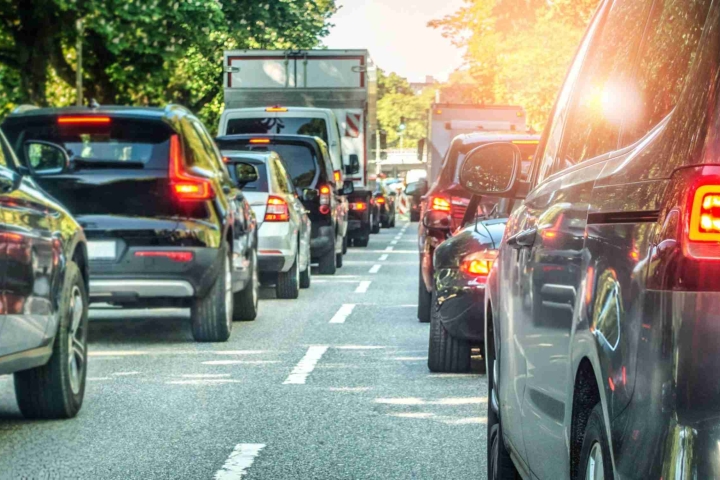
- Hot weather can affect concentration, comfort and decision-making behind the wheel.
- High cabin temperatures can quickly put children, older passengers and pets in danger.
- GEM is urging drivers to plan ahead, carry water and never underestimate the risks posed by high temperatures.
Road safety and breakdown organisation GEM Motoring Assist is warning motorists not to underestimate the risks created by the current heatwave. High temperatures can affect drivers, passengers and pets in ways that quickly add risk to a journey, where drivers are tired, distracted, dehydrated or poorly prepared.
GEM is highlighting five key ways hot conditions can raise risk during journeys, as well as a series of practical steps drivers can take to reduce that risk.
James Luckhurst, Head of Road Safety at GEM Motoring Assist, said: “A heatwave can make a car journey much more demanding for everyone. Drivers get tired, irritable or less focused, while passengers and pets can become distressed very quickly if the vehicle is too hot.
“The danger is not just about comfort; high temperatures can affect concentration, increase fatigue and create conditions in which vulnerable passengers are at real risk. That’s why every journey in very hot weather needs more planning, more observation and more care.”
Five ways heatwave conditions can raise risk:
1 Driver fatigue and reduced concentration: hot conditions can make drivers feel sluggish, sleepy and less able to concentrate for long periods. This is especially risky in slow-moving traffic, on long motorway trips or at the end of a tiring day, when lapses in attention can have serious consequences.
2 Dehydration and headaches: even mild dehydration can leave a driver with a headache, slower reactions and poorer decision-making. If a driver starts to feel faint, unwell or unable to focus properly, then continuing the journey becomes a safety risk.
3 Passengers becoming unwell in hot cabins: children, older people and anyone with underlying health conditions may struggle more quickly in high temperatures. A hot, stuffy vehicle can lead to discomfort, dizziness or heat exhaustion, particularly if traffic delays mean a journey takes much longer than expected.
4 Pets facing rapid heat stress: dogs are vulnerable in hot vehicles, whether the car is moving slowly, stuck in traffic or parked in the sun. A pet left in a parked car, even for a short time, will become unwell and distressed very quickly as interior temperatures rise.
5 Vehicle-related problems adding pressure and danger: heat can make journeys harder by increasing the likelihood of tyre problems, engine stress and breakdowns. If a vehicle stops in a live lane, on a busy road or in a remote location during very hot weather, then the safety risks for everyone inside can escalate quickly.
Tips for safer driving in hot weather
GEM recommends the following steps for anyone travelling during the current spell of hot weather:
- Check your vehicle before setting off, including tyre condition, coolant level and windscreen washer fluid.
- Carry plenty of drinking water for everyone in the vehicle, including pets where appropriate. Plan longer journeys so you can take regular breaks in the shade or somewhere cool.
- Use air conditioning sensibly, or keep the cabin well ventilated, so you stay alert and comfortable.
- Never leave children, older passengers or pets alone in a parked vehicle, even for a few minutes.
- Travel at cooler times of day where possible, and avoid setting out if you already feel tired or unwell.
- If anyone in the car shows signs of heat exhaustion or distress, stop somewhere safe as soon as possible and get help if needed.