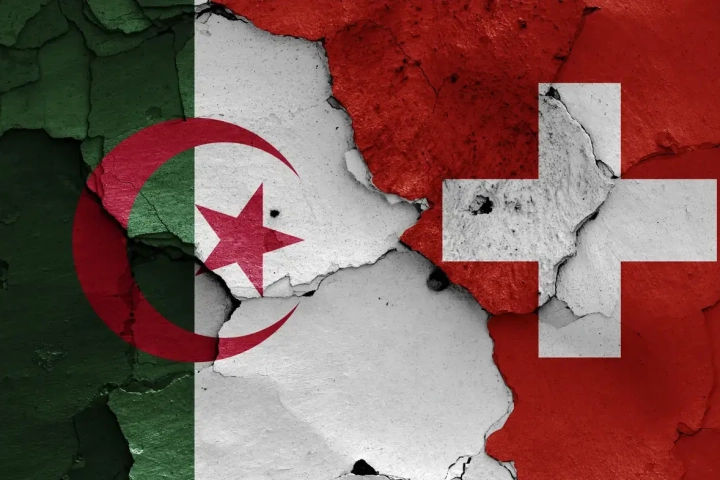
The captivating atmosphere inside BC Place in Vancouver, Canada, provided a fitting stage for a historic Round of 32 fixture at the 2026 FIFA World Cup. Kicking off in the early hours of the morning at exactly 04:00 BST on Friday, 3 July 2026, Murat Yakin’s Switzerland produced a tactical masterclass to defeat Algeria 2-0. Following decades of heartbreak at this stage of major tournaments, the decisive victory officially secured the European nation’s first World Cup knockout stage triumph since 1938.
For decades, the Round of 16 had represented an impenetrable glass ceiling for La Nati, who had suffered elimination in each of their previous seven knockout matches on the global stage. However, an early strike from Breel Embolo, coupled with a clinical finish from Dan Ndoye immediately following the interval, ensured there would be no repeat of past agonies. Their comprehensive performance eliminated an Algerian side that had previously demonstrated tremendous resilience to escape Group J, bringing an end to the North Africans’ courageous North American campaign.
Tactical Battles and an Early Breakthrough
Approaching the highly anticipated encounter, an intriguing subplot dominated the pre-match narrative. Algerian head coach Vladimir Petković was tasked with unpicking a national team he had managed for seven years, having guided the Swiss through three major tournaments between 2014 and 2021. Utilising his intimate knowledge of the opposition, Petković deployed his side in a flexible 4-2-3-1 formation, instructing Nabil Bentaleb and Ramiz Zerrouki to control the midfield battlegrounds while relying on the creative instincts of Houssem Aouar and Riyad Mahrez.
Across the technical area, Yakin mirrored the formation but implemented a distinctly pragmatic game plan designed to absorb early pressure and strike aggressively on the counter-attack. Granit Xhaka and Remo Freuler anchored the midfield with typical composure, allowing exciting 20-year-old talent Johan Manzambi the freedom to exploit the vast spaces left behind the advancing Algerian full-backs.
The overarching strategy yielded a spectacular reward after merely ten minutes. Winning possession deep inside their own half, the European side launched a blistering transitional attack down the left flank. Manzambi, who has emerged as a genuine contender for the FIFA Young Player Award, collected the ball and embarked on a dazzling solo run. Reaching the byline with phenomenal acceleration, the youngster delivered a pinpoint cross across the face of the six-yard box. Positioned perfectly, Embolo made absolutely no mistake, steering a simple tap-in past goalkeeper Luca Zidane to open the scoring.
Having secured an early advantage, Yakin immediately instructed his players to modify their defensive shape. Dropping into a rigid five-man midfield out of possession, the Swiss completely snuffed out the central spaces, challenging their opponents to play through an exceptionally well-organised block. This tactical shift proved incredibly effective, as the North Africans struggled to fashion clear-cut opportunities despite enjoying plenty of the ball.
Frustration and a Sucker Punch
Chasing the game, the Algerian attackers repeatedly ran into an impenetrable wall orchestrated by central defenders Manuel Akanji and Nico Elvedi. Farès Chaïbi epitomised the growing frustration within the squad, receiving a yellow card in the 36th minute following a cynical challenge born out of sheer desperation. The trailing side’s most promising moment of the opening period arrived deep into first-half stoppage time, when Ibrahim Maza found a pocket of space but could only drag a snap-shot harmlessly wide of the near post.
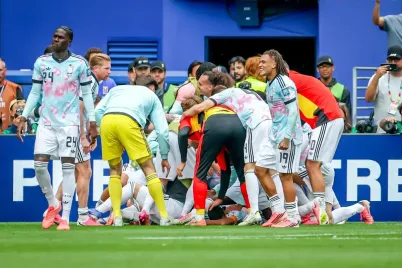
Emerging from the dressing rooms, Petković desperately required an immediate response to salvage his nation’s World Cup dreams. Unfortunately for the former Swiss manager, his team was hit with a devastating sucker punch barely sixty seconds after the restart. In the 46th minute, a promising attack down the right wing exposed the vulnerability of the Algerian backline. Following a half-hearted, scuffed clearance from defender Rafik Belghali, the ball fell kindly to the edge of the penalty area. Ndoye, capitalising on the defensive mix-up, struck a low, powerful effort that skipped beyond the desperate dive of Zidane, doubling the advantage and effectively breaking the opposition’s resolve.
Sensing vulnerability, the European heavyweights momentarily relaxed their rigid defensive posture, presenting the African challengers with a fleeting opportunity to claw their way back into the contest. In the 50th minute, captain Riyad Mahrez engineered a shooting opportunity from a central position. However, his resulting strike was brilliantly blocked by his former Manchester City teammate Akanji, summing up an incredibly frustrating evening for the seasoned winger.
Petković’s Substitutions and Swiss Resilience
Recognising the urgent necessity for fresh attacking impetus, the Algerian coaching staff initiated a flurry of second-half substitutions. Amine Gouiri and Jaouen Hadjam were introduced in the 57th minute, replacing Zerrouki and Aouar respectively, in a bold attempt to increase the tempo. As the clock relentlessly ticked away, further offensive reinforcements arrived in the 70th minute, with Anis Hadj Moussa replacing Mahrez and Hicham Boudaoui taking the place of Bentaleb.
Despite the influx of energetic personnel, the structural damage had already been irreversibly inflicted. The newly introduced Boudaoui quickly found himself in the referee’s notebook, picking up a 72nd-minute yellow card as the physical toll of attempting to breach the resolute Swiss lines became increasingly apparent. Adil Boulbina was also thrown into the fray in the 81st minute, replacing Belghali, but the North Africans simply could not find a way through the meticulously drilled defensive block.
With the clock ticking towards its inevitable conclusion, Yakin utilised his substitutes’ bench to carefully manage the physical workload of his key players. Fabian Rieder and Noah Okafor replaced Rubén Vargas and the exceptional Manzambi in the 70th minute. Shortly after, Zeki Amdouni took the place of goalscorer Embolo, while Michel Aebischer and Silvan Widmer were introduced in the 86th minute to safely see out the remainder of the fixture.
Statistical Dominance vs Tactical Superiority
When analysing the underlying statistical narrative, the match presented a fascinating clash of styles. Surprisingly, Algeria finished the contest boasting a superior share of overall possession, controlling the ball for 50 percent of the game compared to Switzerland’s 43 percent, with the remaining 7 percent fiercely contested. However, this statistical advantage was largely sterile.
The victors were significantly more efficient in the final third, registering 11 total shots with five accurately placed on target. In stark contrast, the North Africans managed eight attempts but only troubled goalkeeper Gregor Kobel on two occasions. Breel Embolo was universally praised by pundits and rightfully awarded the Player of the Match accolade for his crucial opening goal and tireless work rate leading the line.
Late in the game, the Swiss ought to have added a third goal to add further gloss to the scoreline. Following a precise cross from Embolo before his substitution, replacement midfielder Fabian Rieder inexplicably scuffed a gilt-edged opportunity wide with the entire goal at his mercy. Fortunately for Yakin’s side, the glaring miss had absolutely no bearing on the final outcome.
Next Steps in the World Cup
The impressive 2-0 triumph holds profound historical significance, officially ending a staggering 88-year wait for a Swiss knockout victory at the FIFA World Cup. Demonstrating immense tactical flexibility, defensive solidity, and ruthless efficiency, they have firmly established themselves as a formidable threat in the latter stages of the tournament. La Nati will remain in Vancouver, where they will enjoy a well-deserved rest before facing either Colombia or Ghana in the Round of 16 next Tuesday.
For Algeria, the deeply heartbreaking reality of the defeat leaves them reflecting on a campaign of contrasting fortunes. Having showcased tremendous fighting spirit to navigate a complicated group stage, their lack of cutting edge against elite European opposition ultimately proved to be their absolute undoing. They depart the global showpiece with their heads held high, fully aware that they have laid a solid foundation for the future development of the national team.
Official Match Facts
| Detail | Information |
| Competition | FIFA World Cup 2026 – Round of 32 |
| Venue | BC Place Vancouver, Canada |
| Date | 2 July 2026 (Local) / 3 July 2026 (BST) |
| Kick-off Time | 04:00 BST |
| Final Score | Switzerland 2 – 0 Algeria |
Goalscorers:
Switzerland: Breel Embolo (10′), Dan Ndoye (46′)
Algeria: None
Discipline:
Algeria: Farès Chaïbi (Yellow Card, 36′), Hicham Boudaoui (Yellow Card, 72′)
Switzerland: None