The unforgiving reality of knockout football reaches a fever pitch as the 2026 FIFA World Cup delivers one of the most fiercely anticipated fixtures of the tournament. Moving into the climax of the Round of 16, a clash of immense cultural and sporting magnitude awaits on the North American stage. Scheduled for a 20:00 BST kick-off on Monday, 6 July 2026, Portugal will lock horns with geographical neighbours and bitter footballing rivals Spain. Staged beneath the towering roof of the Dallas Stadium in Texas, this Iberian derby presents an unequivocally brutal equation: victory secures a prestigious place in the quarter-finals, while defeat guarantees an immediate, agonising departure from the global stage.
Geographical proximity breeds a unique brand of sporting intensity, and few international rivalries carry the technical prestige and historical weight of this monumental matchup. Beyond merely battling for a ticket to the final eight, both squads arrive in Arlington burdened by soaring domestic expectations. For the Portuguese, the objective is to translate an era of overwhelming individual talent into ultimate global supremacy. Conversely, their opponents are determined to prove that their current generation, a squad perfectly balancing youthful exuberance with seasoned tournament pedigree, is ready to claim a second World Cup star.
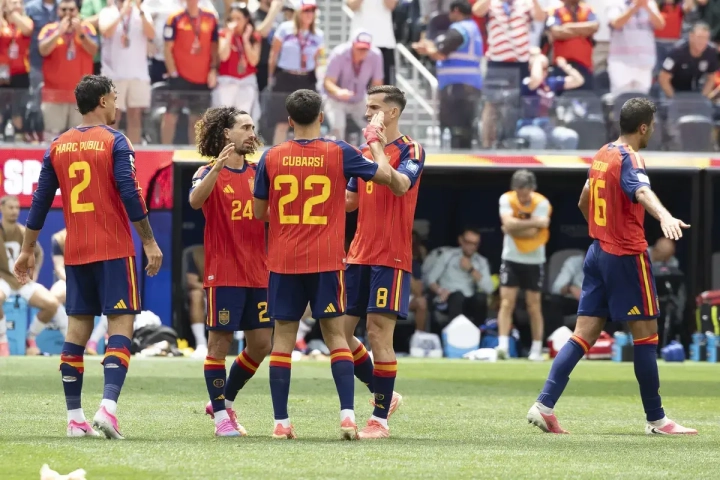
Navigating the opening knockout hurdle perfectly illustrated the contrasting qualities inherent within both squads. Luis de la Fuente’s men entered the Round of 32 in ominous form, systematically dismantling a highly structured Austrian side in a comprehensive 3-0 victory in Los Angeles. Throughout that commanding performance, the three-time European champions dictated the rhythm, smothered Austrian counter-attacks at the source, and executed their offensive transitions with surgical precision. It was a statement of intent that firmly reinforced their status as genuine title contenders.
A far more gruelling examination awaited Roberto Martínez’s outfit in their respective Round of 32 assignment. Facing a notoriously resilient Croatian side in Toronto, the Portuguese were forced to dig remarkably deep. In a tightly contested, heavily tactical affair, they eventually emerged with a hard-fought 2-1 triumph. While it lacked the serene dominance of their neighbour’s victory, the performance highlighted a vital, gritty resilience. The ability to grind out results against elite European opposition, especially when the margins are razor-thin, is a characteristic often found in eventual tournament champions.
The touchline duel between De la Fuente and Martínez promises to be an engrossing tactical chess match. Moving away from the dogmatic, possession-heavy systems of previous eras, the current Spanish setup is remarkably dynamic. De la Fuente demands high-intensity pressing and fluid ball circulation, yet his side is equally comfortable executing devastatingly direct attacks. The wide channels are their primary weapon. The explosive pace and trickery of wingers like Lamine Yamal and Nico Williams consistently drag opposition full-backs out of position, creating vital space in the central areas. Dictating proceedings from the midfield engine room, the technical mastery of Pedri, Fabián Ruiz, and Martín Zubimendi ensures they can seamlessly control the tempo of any encounter.
Countering this dynamic approach, the Portuguese structure relies heavily upon disciplined defensive foundations and rapid offensive transitions. Under Martínez, the squad typically deploys a fluid system designed to isolate their own explosive wide players. The defensive unit, marshalled by the imperious Rúben Dias and supported by the relentless energy of full-back Nuno Mendes, provides a robust platform. Further forward, the creative burden rests squarely upon the shoulders of Bruno Fernandes. The midfield playmaker operates as the crucial link between defence and attack, utilising his exceptional vision to release the blistering pace of Rafael Leão or Pedro Neto. Furthermore, the intelligent movement of Vitinha in the central areas allows his side to effectively bypass congested midfield blocks.
At this intensely demanding stage of a major international summer tournament, physical endurance, medical recovery, and squad rotation become absolutely critical factors. The stifling Texan heat, combined with the condensed fixture schedule, is undoubtedly taking a physical toll across all remaining camps. Both medical departments have been working tirelessly behind the scenes to ensure optimal readiness following the highly demanding Round of 32 schedule. Preparing elite athletes for the unique intensity of knockout football requires meticulous planning, precise hydration strategies, and careful workload management during training sessions.
Fortunately for the neutral spectator, neither manager has reported any verified, major injury concerns stemming from their recent knockout exertions. Furthermore, both nations appear to have successfully navigated the perilous disciplinary tightrope. Despite a handful of yellow cards being distributed during their respective knockout matches, no key personnel are confirmed as suspended for the accumulation of bookings. Consequently, both De la Fuente and Martínez enjoy the incredibly rare luxury of selecting from fully stocked arsenals. This comprehensive availability guarantees that the tactical blueprints meticulously crafted on the training ground can be executed entirely without enforced compromise, elevating the prospect of a remarkably high-quality footballing contest.
While the immediate focus remains firmly fixed upon the pristine turf in Dallas, the historical context surrounding this fixture adds an incredibly rich layer of narrative tension. These two proud footballing institutions share a storied history on the grandest stages. Supporters will vividly recall the 2010 World Cup Round of 16, where a solitary strike propelled the Spanish towards their maiden global crown at the expense of their neighbours. The unforgettable 3-3 thriller during the group stage of the 2018 tournament in Russia further cemented the dramatic, unpredictable nature of this specific rivalry.
However, the most pertinent and psychologically significant chapter of this rivalry was written merely twelve months ago. In June 2025, the two nations collided in the UEFA Nations League final in Munich. It was a breathless, pulsating encounter that ended 2-2 after extra time, featuring goals from Nuno Mendes and Martín Zubimendi amongst others. The match was ultimately decided via a penalty shootout, where the Portuguese maintained their composure to secure a 5-3 victory and lift the continental trophy. That agonising defeat remains incredibly fresh in the collective memory of the Spanish squad, injecting a potent, undeniable element of sporting revenge into Monday’s proceedings.
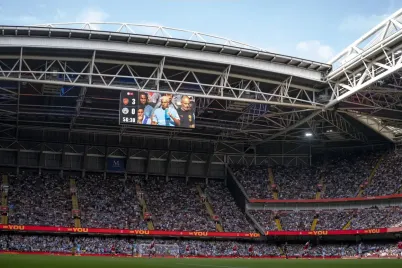
As the 20:00 BST kick-off rapidly approaches, the atmosphere in Arlington is building towards a magnificent crescendo. The spectacular architectural marvel of the Dallas Stadium provides a fittingly grandiose backdrop for a match of this sheer magnitude. Pacing the game, managing energy reserves in the North American summer, and utilising substitutes effectively will be just as critical as the initial tactical setups deployed from the very first whistle. The margins for error are virtually non-existent, and tactical discipline will be paramount.
Every single tackle will carry immense weight, every defensive lapse will be heavily magnified, and every fleeting moment of individual brilliance could permanently define a generation. It is the uncompromising, ruthless nature of World Cup knockout football. One exceptionally talented squad will prolong their North American dream and march confidently into the quarter-finals, keeping their hopes of ultimate glory intact. The other will be left to face the crushing despair of an early departure, forced to watch their fiercest rivals advance. The global footballing audience awaits the outcome with bated breath.