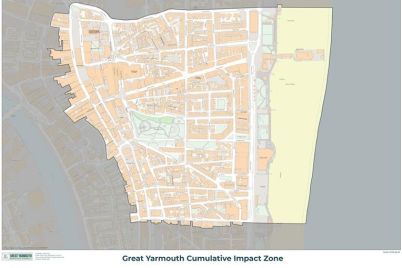

A selective licensing scheme set to begin in parts of Great Yarmouth this April is facing growing opposition from landlord organisations, which have raised concerns over the scheme’s legality and the potential for judicial review. The dispute centres on whether the council followed statutory consultation procedures and relied on accurate, up-to-date evidence when approving the scheme.
The Eastern Landlords Association, in a joint letter with the Voice of Landlords Association (VOLA), has formally written to Housing Secretary Steve Reed and Great Yarmouth Borough Council, urging the authority to pause the scheme. Paul Cunningham, chair of the Eastern Landlords Association, said: “Without access to the data, meaningful scrutiny was impossible.” The group claims that key modelling information was withheld until after councillors approved the scheme, preventing landlords from properly reviewing the assumptions and methodology underpinning the proposal.
Landlord representatives also challenge the age of the data used. Cunningham noted that the council relied on 2019 English Housing Survey figures to model current property hazards. More recent statistics from the Office for National Statistics and the English Housing Survey suggest a 29% reduction in Category 1 hazards in the private rented sector between 2018-19 and 2024. Landlords argue that relying on older data leads to predictions rather than accurate assessments, which they say could breach the Housing Act and exceed the council’s powers.
Similar concerns are emerging elsewhere. The Leeds Landlord Lobby Group has launched a crowdfunding campaign to finance a judicial review of Leeds City Council’s selective licensing scheme, which it describes as disproportionate and damaging. In Great Yarmouth, landlords also criticise the council for not taking account of the forthcoming Renters’ Rights Act, which will abolish Section 21 evictions and introduce a Private Rented Sector Database. Cunningham argued: “Ignoring the Renters’ Rights package amounts to a failure to consider alternatives in accordance with the guidance.”
Landlords warn the scheme could impose substantial costs through licensing fees, compliance requirements, and inspection regimes, particularly affecting smaller landlords already facing higher mortgage rates and tax pressures. Local MP Rupert Lowe has voiced support for landlords, warning that the plan could lead to more property sales, reduced rental supply, and higher rents for tenants.
Great Yarmouth Borough Council, however, maintains that it followed legislation and best practice. A spokesperson said: “More than 275 responses were considered and changes were made, including reducing licence costs. Selective licensing operates successfully in other areas, and good landlords have nothing to fear.”