
There were 1,757 corporate insolvencies in October 2026, 6.3% fewer than in September 2026 (1,875) and 14.8% fewer than in October 2025 (2,061).
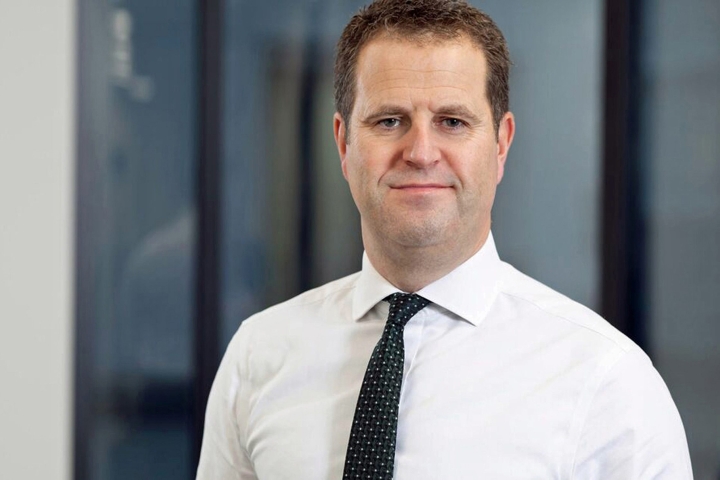
Rob Young, Restructuring and Insolvency Partner at international accountancy and business advisory group Azets, which has six East Anglian offices – in Norwich, Ipswich, Huntingdon, Bury St Edmunds, Saxmundham and Cambridge, has commented on the figures.
He said: “Corporate insolvency numbers may be down month-on-month and year-on-year, but they are slightly higher than they were two years ago and well above what they were pre-pandemic.
“The climate remains tough for businesses in England and Wales and firms from all sectors across the economy continue to seek advice and support in a world where costs are high and creditors are unforgiving.
“While Compulsory Liquidations and Creditors’ Voluntary Liquidations fell compared to last month and last year, there are still a large number of firms who were facing being wound up over unpaid debts and others whose directors have no other option than to shut the doors as their debts have become unmanageable.
“Many directors are in this position as a result of the ongoing toll economic and geopolitical issues are taking on businesses and on their ability to stay solvent – and a trading climate that has been difficult since the start of the decade.
“The wars in the Ukraine and Middle East, and increases in National Insurance, National Minimum Wage and business rates have all followed one after the other, with each coming before businesses had been able to absorb the last. Alongside this, material and stock costs have continued to rise and creditors have continued to chase down debt in an attempt to manage their own payment deadlines.
“Recent insolvencies highlight the scale of the issue. The TalkTalk administration reinforces the point that no business is too big or too beloved to become insolvent if its debts reach a point of being unmanageable, while the Amber Beverage administration highlights the problems faced by companies in the wholesale market and the difficulties around trying to sell a distressed business, and TG Jones’ continued rollout of site closures illustrates the ongoing challenges faced by traditional bricks and mortar retailers.
“The climate won’t get any easier in the short-term. The announcement in the Budget of rises in the national minimum and national living wages will push costs up further for businesses, while the Bank of England’s decision to raise interest rates will increase the cost of borrowing and rescue funds, and potentially reduce directors’ willingness to take on the risks associated with loans.
“It is also likely to hit people’s spending levels and choices as the increased costs of loans and mortgages further erodes disposable income, which will affect firms across the country – especially those whose income is based on discretionary spending.
“We’re now in a crucial trading period for many industries but it remains to be seen whether this will bring the boost retail and hospitality firms are desperate for or whether the Golden Quarter will be dull and fail to prevent further insolvencies in January. Many retailers and hospitality firms will be hoping for a Christmas miracle, but the economic climate may prevent it being realised.
“Looking at the wider economy, the construction industry is suffering from a lack of new work, and the longstanding effects of late payment, rises in costs and tight margins on projects – with profits evaporating on many legacy contracts as project expenses rose in the time between appointment and completion.
“The property sector is also suffering as many firms have borrowed heavily to fund projects whose sale prices have slipped below their initial numbers as demand and transactions slowed and the market became more challenging. With neither of these issues being fixable quickly, firms are seeking advice about their options as they attempt to ride out the dip in the market.
“The key thing to do if you’re worried about your business’s finances is to seek advice as soon as you can. It’s a hard conversation to start, but speaking to an advisor when your problems are new gives you more time, more options and a better outcome than if you’d waited until the issues became more severe and the window for taking action to address them shortened.”