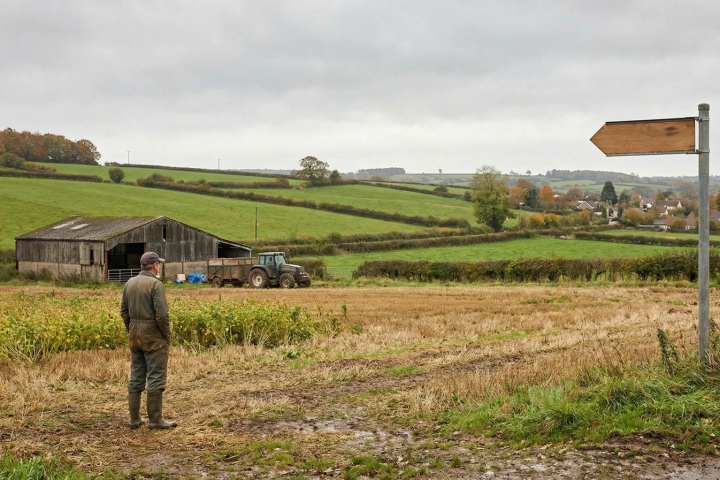
The Autumn Budget 2025 has been criticised for failing to capitalise on the potential of the UK’s farmed landscape, according to the Nature Friendly Farming Network (NFFN). Farming received little attention in Chancellor Rachel Reeves’ speech, despite its crucial role in economic growth, climate resilience, and food security. The focus key phrase missed opportunity to invest in farmed landscapes highlights the concerns raised by the sector.
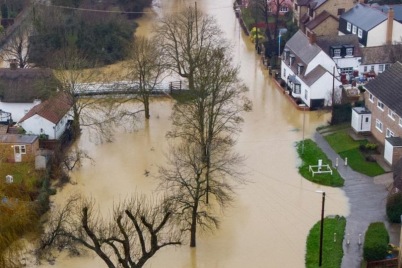
NFFN warns that the Government has overlooked the countryside and rural economy while setting priorities to boost growth and reduce living costs. Farms, the organisation argues, offer significant economic and environmental benefits if supported with long-term investment. With climate change driving floods, droughts, and heatwaves, coupled with rising food costs, farmers are facing mounting pressures.
Martin Lines, CEO of NFFN, said: “The Budget represents a huge missed opportunity to recognise the enormous value our farmed landscape can deliver for the economy. A well-supported, nature-friendly farming system provides multiple benefits for our society, yet the Government has almost completely overlooked the role of our countryside and rural economy in driving growth and resilience.” He highlighted that investing in nature-friendly farming could save the Government money through renewable energy, flood mitigation, and carbon storage, while also supporting soil health, clean air, and food security.
The NFFN also pointed to systemic barriers for farmers adopting environmentally friendly practices. The Environmental Land Management scheme (ELMs) has limited funding, leaving thousands unable to access support. Meanwhile, inheritance tax pressures and the need for financial resilience are forcing many farmers to focus on succession planning rather than ecological improvements.
Calls from the NFFN include an ambitious, balanced system of payments, stronger backing for smaller farms, and a fair transition to nature-friendly practices. Reforming supply chains and trade deals is also essential to ensure UK farmers are not undercut by imports produced to lower environmental standards. The organisation emphasises that without targeted support, the sector’s ability to deliver both economic growth and climate resilience will remain constrained.
The missed opportunity to invest in farmed landscapes, the NFFN argues, represents not just a failure to protect the countryside, but also a gap in addressing wider social and economic challenges. Long-term investment in farming is presented as central to securing Britain’s food future, supporting rural communities, and combating climate change effectively.